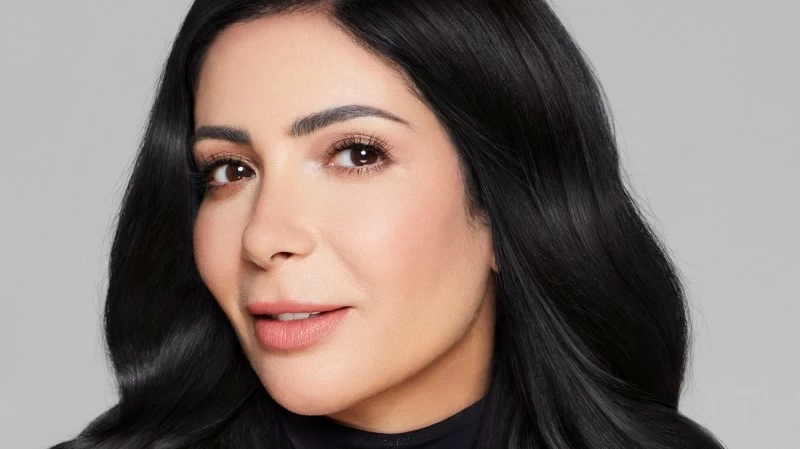
أكدت الفنانة المصرية منى زكي، أن ابتعادها عن الرد على ما يكتب عبر منصات التواصل الاجتماعي يعود إلى قناعتها بأن ليس كل ما يُقال يستحق التعليق، مشيرة إلى أن توقيت الكلمة قد يكون أكثر تأثيرًا من الكلمة نفسها.
وقالت أنا لا أميل بطبيعتي إلى كثرة الكلام أو الدخول في نقاشات عبر المنصات الرقمية، والصمت أحيانًا يكون موقفًا واعيًا وليس انسحابًا.
اختيار الأعمال
وأضافت خلال استضافتها في برنامج «الكلمة» الذي تقدمه الإعلامية إيناس سلامة الشواف عبر إذاعة راديو «إنرجي»، تطورت نظرتي لاختيار أعمالي الفنية، في بدايتي كنت أركّز بشكل أساسي على قوة النص المكتوب، بينما أصبحت اليوم أمنح اهتمامًا أكبر للمخرج، باعتباره «ربّ العمل» والمسؤول الأول عن تحويل النص إلى تجربة درامية متكاملة.
لافتة إلى أن العمل الفني لا يكتمل على الورق فقط، بل يحتاج إلى رؤية إخراجية قادرة على إبراز تفاصيله ومنح الشخصيات أبعادًا إنسانية حقيقية.
الظهور في الإعلام
وقالت منى زكي رغم حبي للإعلام، لم أعد أفضّل الظهور المتكرر للحديث عن أعمالي بعد عرضها، معتبرة أن العمل الفني بمجرد طرحه يصبح ملكًا للجمهور، ويخضع للنقاش والتأويل بحرية كاملة.
وقالت الدور الأساسي للفنان هو التعبير عما يريد قوله من خلال العمل نفسه، وليس عبر التصريحات أو الردود المتتالية.
وفي جانب شخصي من الحوار، أكدت منى زكي أن والدها لا يزال صاحب التأثير الأكبر في حياتها، وأن نصائحه تمثل مرجعية ثابتة بالنسبة لها، مشيرة إلى أن دعمه كان عنصرًا حاسمًا في مسيرتها الفنية.
كما تحدثت عن عدد من الكُتّاب الذين تركوا بصمة واضحة في تاريخ الدراما المصرية، من بينهم وحيد حامد وأسامة أنور عكاشة، مؤكدة أن أعمالهما ما زالت حاضرة في وجدان الجمهور.
The Egyptian artist Mona Zaki confirmed that her avoidance of responding to what is written on social media platforms is due to her belief that not everything said deserves a comment, pointing out that the timing of a word can be more impactful than the word itself.
She said, "I am not naturally inclined to excessive talking or engaging in discussions on digital platforms, and silence can sometimes be a conscious stance, not a withdrawal."
Choosing Works
She added during her appearance on the program "Al-Kalima," hosted by the media personality Inas Salama Al-Shawaf on Radio "Energy," that her perspective on choosing her artistic works has evolved. In the beginning, she focused primarily on the strength of the written text, while today she gives more attention to the director, considering them the "master of the work" and the primary responsible party for transforming the text into a complete dramatic experience.
She pointed out that an artistic work is not complete on paper alone; it needs a directorial vision capable of highlighting its details and giving the characters genuine human dimensions.
Media Appearance
Mona Zaki said that despite her love for the media, she no longer prefers repeated appearances to talk about her works after they are released, considering that an artistic work, once presented, becomes the property of the audience and is subject to discussion and interpretation freely.
She stated that the primary role of an artist is to express what they want to say through the work itself, not through statements or successive responses.
In a personal aspect of the conversation, Mona Zaki confirmed that her father still has the greatest influence in her life, and his advice represents a constant reference for her, noting that his support has been a decisive element in her artistic journey.
She also talked about several writers who have left a clear mark in the history of Egyptian drama, including Wahid Hamed and Osama Anwar Okasha, affirming that their works are still present in the hearts of the audience.