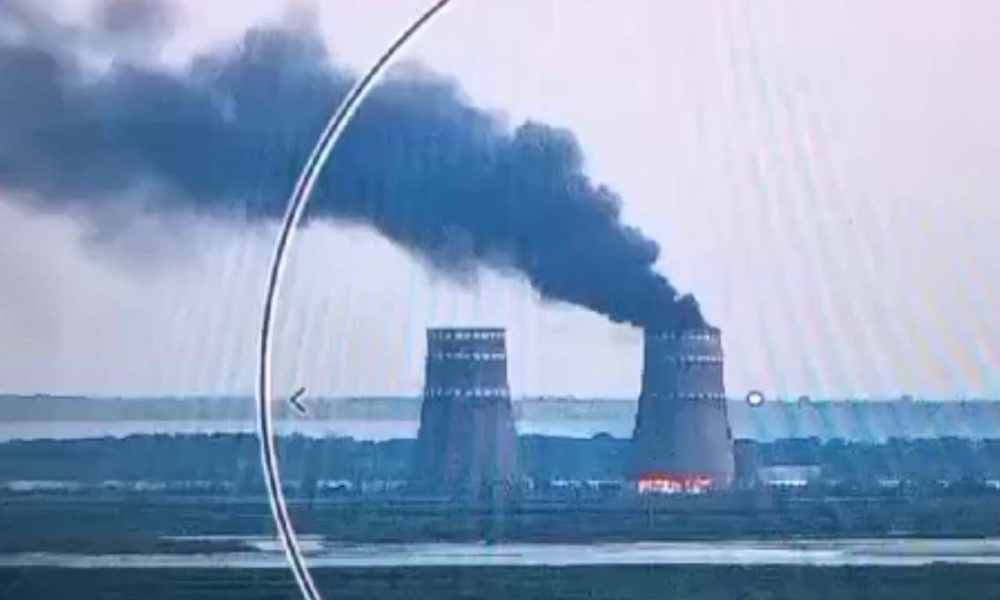
أفادت الوكالة الدولية للطاقة الذرية التابعة للأمم المتحدة، (الجمعة)، بأن جميع خطوط الكهرباء الخارجية التي تزود محطة زابوريجيا النووية في أوكرانيا، التي تسيطر عليها روسيا، قد توقفت عن العمل.
ورغم إيقاف تشغيل المفاعلات الستة في المحطة، إلا أنها تحتاج إلى طاقة مستمرة لتبريد الوقود النووي والحفاظ على مستويات الإشعاع ضمن الحدود الآمنة.
وأوضحت الوكالة عبر منصة «إكس» أن المحطة فقدت الطاقة الخارجية تماماً عند الساعة 17:36 اليوم، في الحادثة التاسعة من نوعها منذ بدء النزاع العسكري في فبراير 2022، والأولى منذ أواخر عام 2023، وتعتمد المحطة الآن على مولدات الديزل الطارئة لتأمين الطاقة اللازمة.
ومنذ بداية الحرب الروسية الأوكرانية، شهدت محطة زابوريجيا انقطاعاً كاملاً للكهرباء ثماني مرات، مع تكرار حالات الاقتراب من انقطاعات أخرى.
وقد أثارت هجمات سابقة على المحطة، شملت قصفاً وانقطاعاً مؤقتاً عن الشبكة الكهربائية الأوكرانية، مخاوف متكررة من وقوع كارثة نووية.
واتهم وزير الطاقة الأوكراني، جيرمان جالوشينكو، اليوم، القوات الروسية بتدمير الخط الكهربائي الذي يربط المحطة بالشبكة الوطنية، مما يفاقم المخاطر الأمنية.
وتُعد محطة زابوريجيا، أكبر محطة نووية في أوروبا، نقطة حساسة في الصراع، حيث تتبادل روسيا وأوكرانيا الاتهامات باستهداف المحطة بالقصف، مما ينذر بكارثة نووية محتملة.
وتقع المحطة على بعد حوالى 80 ميلاً من سد كاخوفكا، الذي تعرض لأضرار جسيمة جراء انفجارات في يونيو 2023، وتبعد أقل من 35 ميلاً عن مدينة زابوريجيا التي كانت تؤوي 750,000 نسمة قبل الحرب.
وفي العام الماضي، تعرضت المحطة لهجوم استهدف قبة وحدتها السادسة، دون أن يتسبب ذلك في أضرار كبيرة.
وأكدت الوكالة الدولية حينها أن الهجوم، الذي شمل ضربات مباشرة، كان متسقاً مع احتمالية هجوم بطائرة مسيرة، مشيرة إلى أن الحادث، رغم عدم تأثيره على السلامة النووية، كان خطيراً بما يكفي لتهديد سلامة نظام الاحتواء في المفاعل.
وأشار مفتشو الوكالة في مايو الماضي إلى عدم وجود مؤشرات على نية روسيا إعادة تشغيل المحطة في الوقت الحالي.
The International Atomic Energy Agency (IAEA), affiliated with the United Nations, reported on Friday that all external power lines supplying the Zaporizhzhia nuclear power plant in Ukraine, which is controlled by Russia, have stopped working.
Despite the shutdown of the six reactors at the plant, it requires continuous power to cool the nuclear fuel and maintain radiation levels within safe limits.
The agency clarified via the "X" platform that the plant completely lost external power at 17:36 today, marking the ninth incident of its kind since the military conflict began in February 2022, and the first since late 2023. The plant is now relying on emergency diesel generators to secure the necessary power.
Since the beginning of the Russian-Ukrainian war, the Zaporizhzhia plant has experienced a complete power outage eight times, with repeated instances of near outages.
Previous attacks on the plant, which included shelling and temporary disconnection from the Ukrainian power grid, have raised recurring fears of a nuclear disaster.
Ukrainian Energy Minister Herman Halushchenko accused Russian forces today of destroying the power line that connects the plant to the national grid, exacerbating security risks.
The Zaporizhzhia plant, the largest nuclear power plant in Europe, is a sensitive point in the conflict, with Russia and Ukraine exchanging accusations of shelling the plant, raising the alarm for a potential nuclear disaster.
The plant is located about 80 miles from the Kakhovka Dam, which suffered severe damage from explosions in June 2023, and is less than 35 miles from the city of Zaporizhzhia, which housed 750,000 residents before the war.
Last year, the plant was attacked, targeting the dome of its sixth unit, but this did not cause significant damage.
The agency confirmed at that time that the attack, which included direct strikes, was consistent with the possibility of a drone attack, noting that the incident, while not affecting nuclear safety, was serious enough to threaten the integrity of the reactor's containment system.
Agency inspectors indicated last May that there were no signs of Russia's intention to restart the plant at this time.