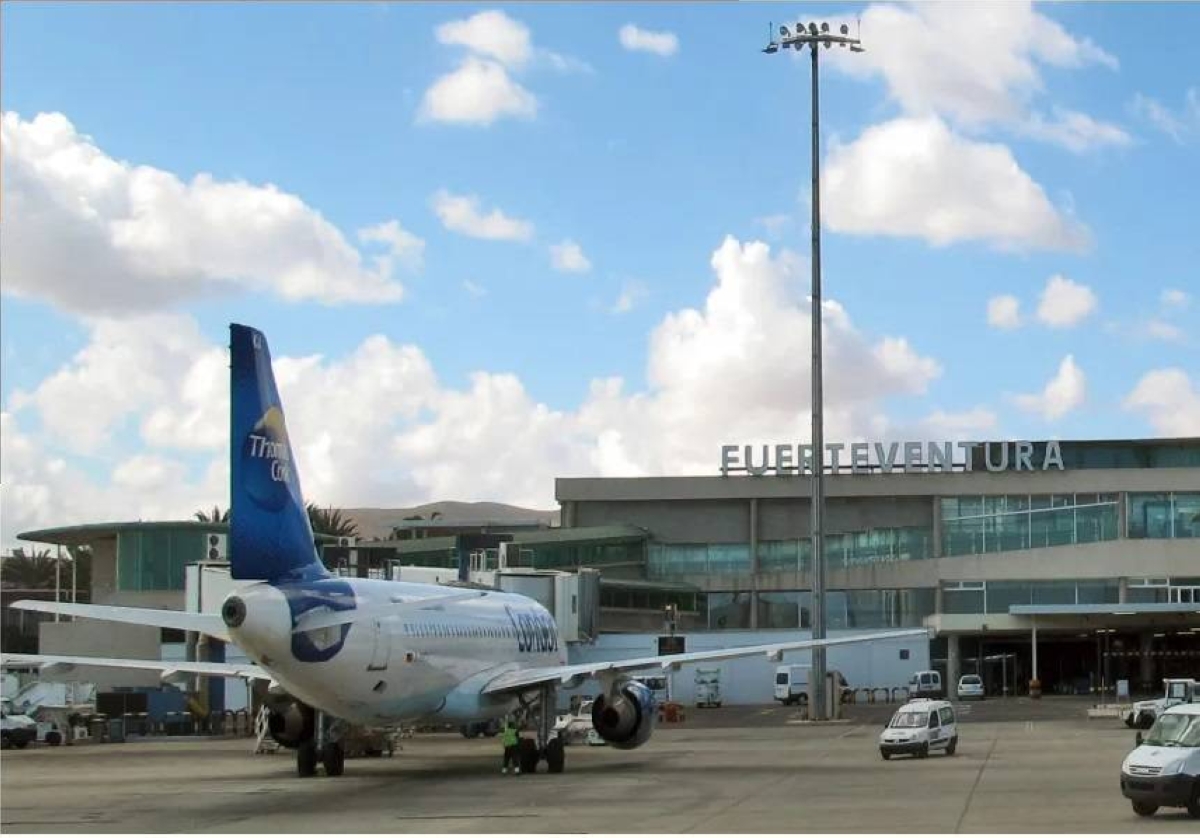
وسط موجة متصاعدة من الانتهاكات الجوية في أوروبا، أُجبرت ثلاث طائرات ركاب مليئة بالسياح، اليوم (الأحد)، على التحويل من مطار فويرتيفنتورا في جزر الكناري الإسبانية، بعد رصد طائرة مسيّرة واحدة على الأقل في منطقة بليا بلانكا جنوب مطار الماتورال، مما أدى إلى تعليق حركة الإقلاع والإنزال مؤقتا.
الطائرات المتضررة كانت قادمة من إشبيلية وسانتياغو دي كومبوستيلا وغران كناريا، وتم تحويل رحلة رايان إير من سانتياغو إلى لانزاروتي، بينما توجهت الاثنتان الأخريان إلى مطار غران كناريا.
إلغاء وتأخير رحلات
وأدت الحادثة إلى إلغاءات وتأخيرات على لوحات المعلومات في المطار، الذي يربط أكثر من 80 وجهة، لكن العمليات عادت إلى طبيعتها لاحقا، وفقا لتقارير إعلامية دولية.
طوارئ في مطارات الدنمارك والنرويج
وأدت رؤية طائرات مسيّرة إلى إغلاق مطارات رئيسية في الدنمارك والنرويج، بما في ذلك مطار كوبنهاغن (أكبر مطار إسكندنافي) الذي أُغلق لمدة أربع ساعات يوم 22 سبتمبر بعد رصد 2-3 طائرات مسيّرة كبيرة، مما أثر على عشرات الرحلات وأدى إلى تحويل 15 رحلة.
كما أُغلق مطار أوسلو لثلاث ساعات، ومطار ألبورغ الدنماركي يوم 24 سبتمبر بعد رصد أكثر من طائرة مسيّرة واحدة، ومطار ألبورغ العسكري-المدني يوم 25 سبتمبر، إذ وصفت رئيسة الوزراء الدنماركية ميتي فريدريكسن هذه الحوادث بأنها هجمات هجينة قد ترتبط بروسيا، مع تفعيل القوات المسلحة.
في سياق أوسع، أفادت السلطات النرويجية بتحقيق في رؤية طائرات مسيّرة يوم السبت، قرب قاعدة أورلاند الجوية الرئيسية لمقاتلات إف-35.
مسيّرات أعلى مواقع عسكرية أوروبية
وفي فرنسا، تم رصد طائرات مسيّرة فوق قاعدة مارن العسكرية في الشمال الشرقي، مما دفع السلطات إلى فرض تدابير أمنية استثنائية فوق قاعدة مورملون لو غراند.
أما في ألمانيا، حذر وزير الداخلية ألكسندر دوبريندت من أن التهديد من الطائرات المسيّرة عالٍ وملموس في حالات فردية، مشددا على ضرورة اتخاذ إجراءات دفاعية.
وفي الدنمارك، أعلن الجيش رصد المزيد من الطائرات فوق قاعدة كاروب الجوية -أكبر قاعدة عسكرية دنماركية ومقر وحدة الناتو متعددة الجنسيات الشمالية- لليوم الثاني على التوالي.
وترتبط هذه الحوادث بسلسلة من الانتهاكات الروسية للأجواء الأوروبية، بما في ذلك دخول 19-23 طائرة مسيرة روسية إلى الأجواء البولندية يوم 9-10 سبتمبر أثناء هجوم على أوكرانيا، إذ أسقطت قوات الناتو 3-4 منها باستخدام مقاتلات إف-16 بولندية وإف-35 هولندية وأنظمة باتريوت ألمانية، في أول إطلاق نار منذ غزو روسيا لأوكرانيا عام 2022.
كما أبلغت رومانيا يوم 14 سبتمبر عن دخول طائرة مسيّرة روسية إلى أجوائها لـ50 دقيقة، وإستونيا عن انتهاك ثلاث طائرات مقاتلة روسية ميغ-31 مسلحة لأجوائها لأكثر من 10 دقائق يوم 19 سبتمبر.
اختبار لعزم الناتو
ووصفت هذه الحوادث بأنها اختبار لعزم الناتو، إذ أطلق الحلف عملية «إيسترن سينتري» يوم 12 سبتمبر لتعزيز الدفاعات على الحدود الشرقية، بما في ذلك منصات استخباراتية ومراقبة وفرقاطة دفاع جوي في بحر البلطيق.
جدار الطائرات المسيّرة
ورداً على ذلك، اتفق وزراء الدفاع الأوروبيون يوم 26 سبتمبر على تطوير «جدار الطائرات المسيّرة» على طول الحدود مع روسيا وأوكرانيا لكشف وتتبع واعتراض الطائرات المسيّرة، مع دمج خبرة أوكرانيا في مكافحة الطائرات المسيّرة، وتمويل محتمل بـ150 مليار يورو من برنامج SAFE للقروض مقابل الأسلحة.
وانضمت الدنمارك إلى الدول السبع (إستونيا، لاتفيا، فنلندا، ليتوانيا، بولندا، رومانيا، بلغاريا) في هذا المشروع، الذي يشمل دفاعات أرضية وبحرية وفضائية، وسط مخاوف من «حرب هجينة» روسية.
كما أعلنت بريطانيا إنشاء «جدار طائرات مسيّرة» مشترك مع أوكرانيا باسم «مشروع أوكتوبوس»، لإنتاج آلاف الطائرات في مصانع بريطانية لتعزيز الدفاعات على الحدود الشرقية للناتو.
Amid a rising wave of aerial violations in Europe, three passenger planes filled with tourists were forced to divert from Fuerteventura Airport in the Spanish Canary Islands today (Sunday) after at least one drone was spotted in the Playa Blanca area south of the Matorral Airport, leading to a temporary suspension of takeoff and landing operations.
The affected planes were coming from Seville, Santiago de Compostela, and Gran Canaria, with a Ryanair flight from Santiago diverted to Lanzarote, while the other two headed to Gran Canaria Airport.
Cancellations and Delays
The incident resulted in cancellations and delays on the airport's information boards, which connects over 80 destinations, but operations returned to normal later, according to international media reports.
Emergencies in Denmark and Norway
The sighting of drones led to the closure of major airports in Denmark and Norway, including Copenhagen Airport (the largest Scandinavian airport), which was closed for four hours on September 22 after 2-3 large drones were spotted, affecting dozens of flights and resulting in the diversion of 15 flights.
Oslo Airport was also closed for three hours, and Aalborg Airport in Denmark on September 24 after more than one drone was spotted, along with the Aalborg military-civilian airport on September 25, with Danish Prime Minister Mette Frederiksen describing these incidents as hybrid attacks that may be linked to Russia, activating the armed forces.
In a broader context, Norwegian authorities reported an investigation into a drone sighting on Saturday near the main Ørland Air Base for F-35 fighters.
Drones Over European Military Sites
In France, drones were spotted over the Marne military base in the northeast, prompting authorities to impose exceptional security measures over the Mourmelon-le-Grand base.
In Germany, Interior Minister Alexander Dobrindt warned that the threat from drones is high and tangible in individual cases, emphasizing the need for defensive measures.
In Denmark, the military announced the sighting of more drones over Karup Air Base - the largest Danish military base and the headquarters of the multinational NATO unit - for the second consecutive day.
These incidents are linked to a series of Russian violations of European airspace, including the entry of 19-23 Russian drones into Polish airspace on September 9-10 during the attack on Ukraine, where NATO forces shot down 3-4 of them using Polish F-16s, Dutch F-35s, and German Patriot systems, marking the first gunfire since Russia's invasion of Ukraine in 2022.
Romania also reported on September 14 the entry of a Russian drone into its airspace for 50 minutes, and Estonia reported the violation of its airspace by three armed Russian MiG-31 fighter jets for more than 10 minutes on September 19.
A Test of NATO's Resolve
These incidents have been described as a test of NATO's resolve, as the alliance launched Operation "Eastern Sentry" on September 12 to bolster defenses on the eastern border, including intelligence and surveillance platforms and an air defense frigate in the Baltic Sea.
The Drone Wall
In response, European defense ministers agreed on September 26 to develop a "drone wall" along the border with Russia and Ukraine to detect, track, and intercept drones, incorporating Ukraine's expertise in combating drones, with potential funding of €150 billion from the SAFE loan program for arms.
Denmark joined seven other countries (Estonia, Latvia, Finland, Lithuania, Poland, Romania, Bulgaria) in this project, which includes land, sea, and space defenses, amid concerns about a Russian "hybrid war."
The UK also announced the establishment of a joint "drone wall" with Ukraine under the name "Octopus Project," to produce thousands of drones in British factories to enhance defenses on NATO's eastern border.