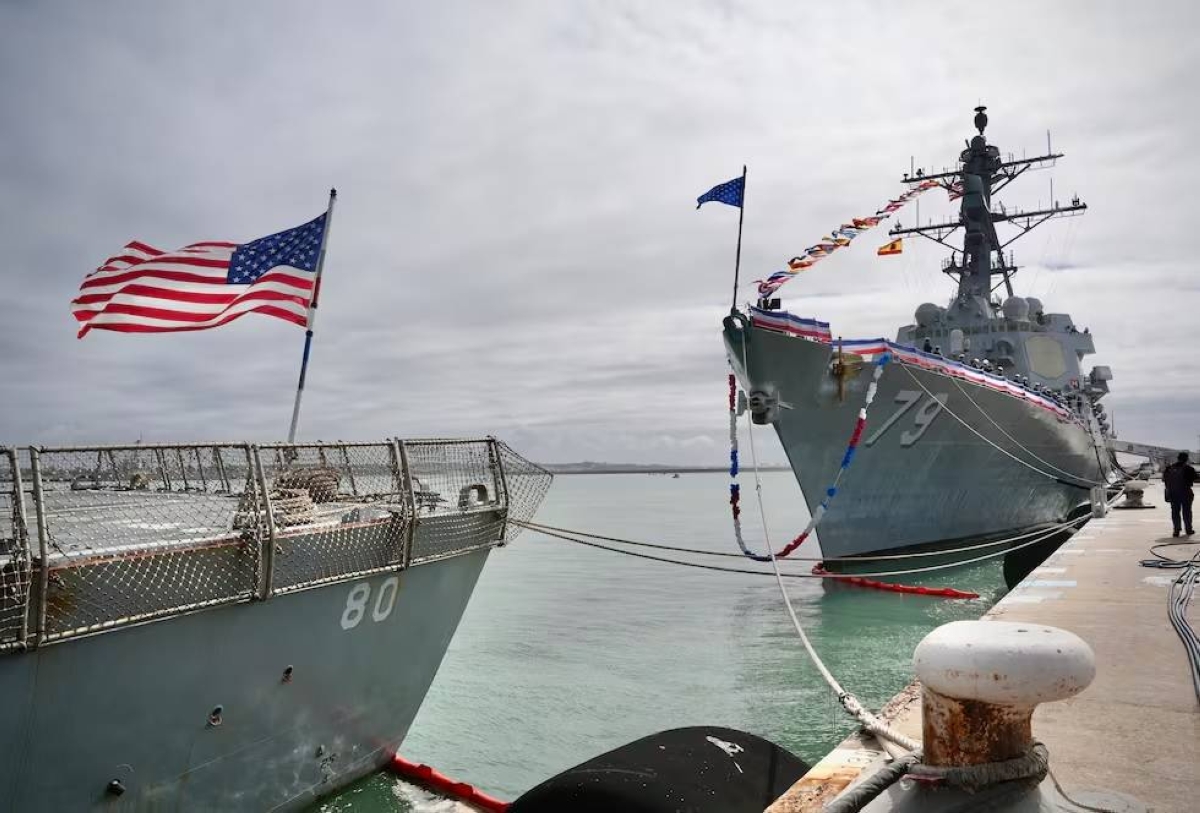
أصدرت الحكومة الإسبانية برئاسة بيدرو سانشيز، اليوم (الإثنين) قراراً بمنع الولايات المتحدة من استخدام القواعد العسكرية في روتا (قادس) ومورون (إشبيلية) لنقل الأسلحة إلى إسرائيل.
حظر إسباني لمرور الطائرات الأمريكي
يشمل هذا القرار حظر مرور الطائرات أو السفن الأمريكية المحملة بالأسلحة أو المعدات العسكرية، سواء كانت متجهة مباشرة إلى إسرائيل أو تستخدم إسبانيا كمحطة توقف قبل الوصول إلى وجهتها النهائية.
وبحسب صحيفة «إلباييس» الإسبانية، أكدت مصادر من اللجنة المشتركة الإسبانية-الأمريكية، أن القواعد في روتا ومورون تخضع للسيادة الإسبانية وتدار بقيادة عسكرية إسبانية، مما يعني أن أي نشاط في هذه القواعد يتطلب موافقة السلطات الإسبانية.
أمريكا تتجه للبدائل
ومع ذلك، هناك استثناءات قد تتيح للولايات المتحدة تجاوز هذا الحظر، حيث يمكن للطائرات الأمريكية أن تهبط في قواعد أخرى، مثل قواعد في ألمانيا أو إيطاليا، ثم تواصل رحلتها إلى إسرائيل دون أن يُدرج ذلك في خطة الرحلة الأصلية.
وأوضحت المصادر أن إسبانيا لا تفتش الطائرات أو السفن الأمريكية التي تتوقف في قواعدها، حيث تعتمد العلاقة بين الحليفين على الثقة المتبادلة، وأن أي خرق لهذه الثقة قد يؤدي إلى توترات دبلوماسية خطيرة.
وفي سياق متصل، تجنبت الولايات المتحدة استخدام القواعد الإسبانية في بعض الحالات، كما حدث عندما مرت ست طائرات مقاتلة من طراز إف-35 متجهة إلى إسرائيل عبر قاعدة عسكرية أمريكية في جزر الأزور البرتغالية بدلاً من روتا أو مورون.
إجراءات سانشيز للضغط على إسرائيل
وتأتي هذه الخطوة في إطار سلسلة إجراءات اتخذتها حكومة سانشيز للضغط على إسرائيل، بما في ذلك إلغاء عقود أسلحة بملايين اليوروهات وحظر تصدير الأسلحة إليها.
توتر بين مدريد وواشنطن
وتثير هذه الإجراءات قلق الولايات المتحدة، التي اعتبرتها «مقيدة» لعملياتها العسكرية، مما يزيد من التوترات الدبلوماسية بين مدريد وواشنطن.
وفيما يتعلق بالسفن، يتطلب مرور السفن الأمريكية موافقة مسبقة من إسبانيا قبل خمسة أيام على الأقل، ووفقاً للاتفاقيات الثنائية، تلتزم إسبانيا بعدم الاستفسار عن طبيعة الأسلحة التي تحملها هذه السفن، خصوصا في سياق الحرب الباردة الذي حظر إدخال الأسلحة النووية إلى الأراضي الإسبانية منذ استفتاء الناتو عام 1986.
The Spanish government led by Pedro Sánchez issued a decision today (Monday) to prevent the United States from using military bases in Rota (Cádiz) and Morón (Seville) to transport weapons to Israel.
Spanish Ban on American Aircraft Transit
This decision includes a ban on the passage of aircraft or American ships loaded with weapons or military equipment, whether they are headed directly to Israel or using Spain as a stopover before reaching their final destination.
According to the Spanish newspaper "El País," sources from the Spanish-American joint committee confirmed that the bases in Rota and Morón are under Spanish sovereignty and managed by Spanish military leadership, meaning that any activity at these bases requires the approval of Spanish authorities.
America Turns to Alternatives
However, there are exceptions that may allow the United States to bypass this ban, as American aircraft can land at other bases, such as those in Germany or Italy, and then continue their journey to Israel without this being included in the original flight plan.
Sources clarified that Spain does not inspect American aircraft or ships that stop at its bases, as the relationship between the allies is based on mutual trust, and any breach of this trust could lead to serious diplomatic tensions.
In a related context, the United States has avoided using Spanish bases in some cases, as happened when six F-35 fighter jets headed to Israel passed through an American military base in the Portuguese Azores instead of Rota or Morón.
Sánchez's Measures to Pressure Israel
This move comes as part of a series of measures taken by the Sánchez government to pressure Israel, including the cancellation of arms contracts worth millions of euros and a ban on exporting weapons to it.
Tension Between Madrid and Washington
These measures raise concerns in the United States, which considers them "restrictive" to its military operations, increasing diplomatic tensions between Madrid and Washington.
Regarding ships, the passage of American vessels requires prior approval from Spain at least five days in advance, and according to bilateral agreements, Spain commits not to inquire about the nature of the weapons carried by these ships, especially in the context of the Cold War, which prohibited the introduction of nuclear weapons into Spanish territory since the NATO referendum in 1986.