حذرت إيران من إساءة استخدام الأوروبيين لـ«آلية الزناد»، التي تهدف لإعادة فرض العقوبات الأممية عليها، حال عدم التزامها ببنود الاتفاق النووي الموقع عام 2015.
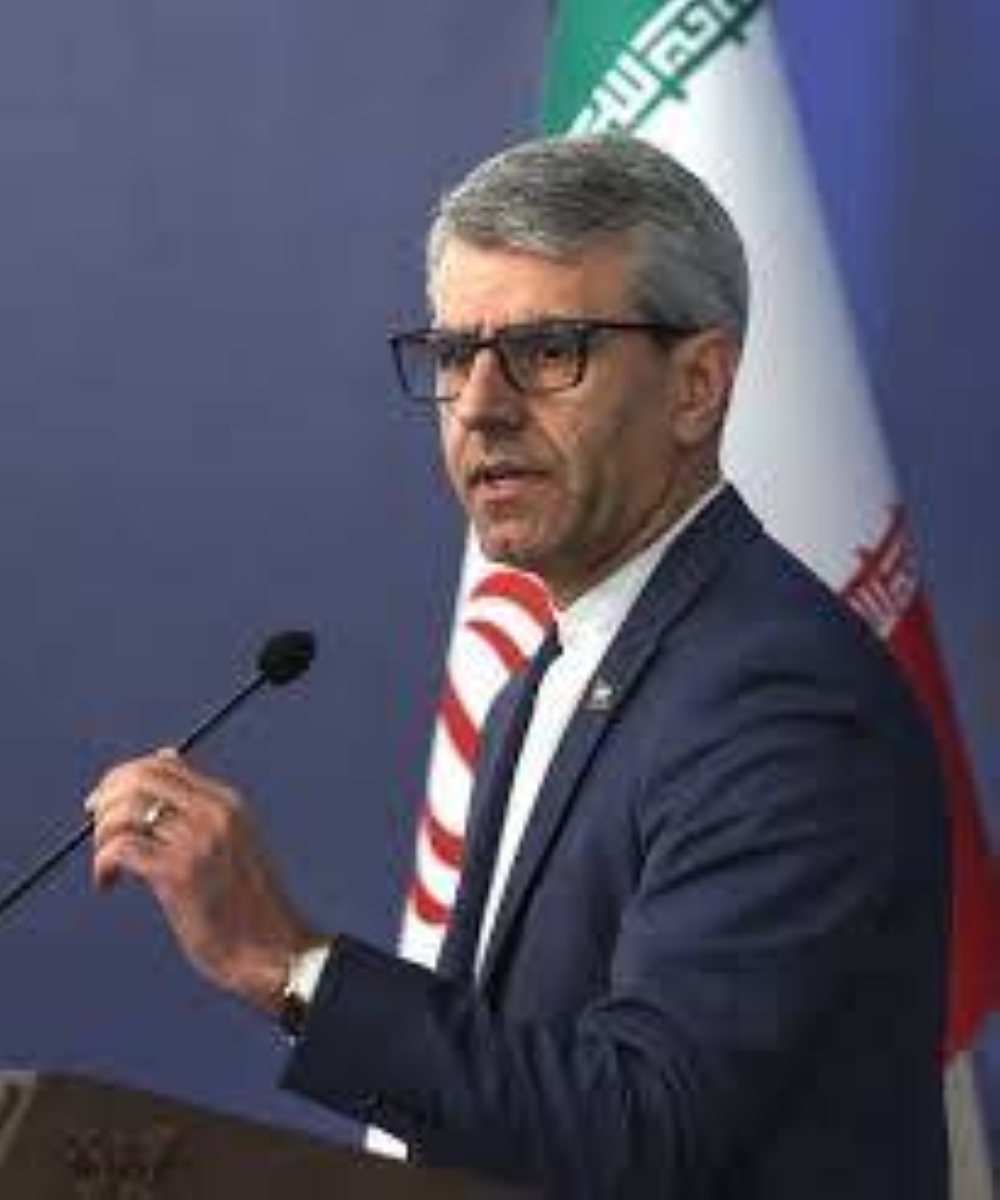
واعتبر المتحدث باسم وزارة الخارجية الإيرانية إسماعيل بقائي، خلال مؤتمر صحفي، اليوم(الإثنين)، أن الترويكا الأوروبية (بريطانيا وفرنسا وألمانيا) «لا تملك أي حق قانوني أو أخلاقي لتفعيل هذه الآلية وإعادة فرض العقوبات».
ولفت إلى أن إيران أعلنت بوضوح في وقت سابق أن أي استغلال غير مشروع لمثل هذه الأداة سيترتب عليه تبعات خطيرة على نظام عدم الانتشار النووي، كما سيكون له عواقب على تلك الدول نفسها.
وكشف بقائي أنه لا يوجد أي مفتّش فاعل للوكالة الدولية للطاقة الذرية داخل إيران، لكنه أكد أن مسؤولاً رفيعاً في الوكالة الدولية سيزور طهران خلال أقل من عشرة أيام، مضيفاً أن هذه الزيارة «تأتي في إطار التعاون الفني» بين طهران والوكالة، مضيفا أن بلاده عبّرت مراراً عن شكاواها واعتراضاتها على النهج السياسي وغير المهني الذي تتبعه الوكالة الدولية للطاقة الذرية. وطالب الوكالة الدولية بأن تلتزم بمهماتها الفنية والتخصصية، وأن تتجنب التأثر بالضغوط السياسية من مختلف الأطراف.
وأفاد المتحدث باسم الخارجية بأن إيران، بصفتها عضواً في معاهدة عدم انتشار الأسلحة النووية (NPT).. لطالما التزمت بتعهداتها، وتصرّفت ضمن إطار القانون.
في سياق متصل، وعمّا إذا كانت إيران ستتفاوض مباشرة مع الولايات المتحدة، بالنظر إلى المحادثات الهاتفية المباشرة الأخيرة بين المبعوث الأمريكي ستيف ويتكوف ووزير الخارجية الإيراني عباس عراقجي، قال بقائي: «لا، لن نجري مفاوضات مباشرة مع الولايات المتحدة». وأكد أن العودة للمفاوضات غير المباشرة مع الولايات المتحدة تتطلب قراراً جديداً من البرلمان الإيراني.
حذرت من عواقب تفعيل «آلية الزناد»
طهران: العودة للتفاوض بحاجة لقرار برلماني
4 أغسطس 2025 - 14:08
|
آخر تحديث 4 أغسطس 2025 - 14:08
إسماعيل بقائي


تابع قناة عكاظ على الواتساب
«عكاظ» (طهران) okaz_online@
Iran warned against the misuse of the "trigger mechanism" by Europeans, which aims to reimpose UN sanctions on it if it fails to comply with the terms of the nuclear agreement signed in 2015.
The spokesperson for the Iranian Foreign Ministry, Ismail Baqaei, stated during a press conference today (Monday) that the European troika (Britain, France, and Germany) "has no legal or moral right to activate this mechanism and reimpose sanctions."
He pointed out that Iran had clearly announced earlier that any unlawful exploitation of such a tool would have serious repercussions on the nuclear non-proliferation regime, and it would also have consequences for those countries themselves.
Baqaei revealed that there is no active inspector from the International Atomic Energy Agency (IAEA) inside Iran, but he confirmed that a senior official from the agency will visit Tehran within less than ten days, adding that this visit "comes within the framework of technical cooperation" between Tehran and the agency. He added that his country has repeatedly expressed its complaints and objections to the political and unprofessional approach followed by the IAEA. He urged the agency to adhere to its technical and specialized missions and to avoid being influenced by political pressures from various parties.
The spokesperson for the Foreign Ministry stated that Iran, as a member of the Treaty on the Non-Proliferation of Nuclear Weapons (NPT), has always adhered to its commitments and acted within the framework of the law.
In a related context, regarding whether Iran will negotiate directly with the United States, in light of the recent direct phone conversations between U.S. envoy Steve Biegun and Iranian Foreign Minister Abbas Araghchi, Baqaei said: "No, we will not conduct direct negotiations with the United States." He confirmed that returning to indirect negotiations with the United States requires a new decision from the Iranian parliament.
The spokesperson for the Iranian Foreign Ministry, Ismail Baqaei, stated during a press conference today (Monday) that the European troika (Britain, France, and Germany) "has no legal or moral right to activate this mechanism and reimpose sanctions."
He pointed out that Iran had clearly announced earlier that any unlawful exploitation of such a tool would have serious repercussions on the nuclear non-proliferation regime, and it would also have consequences for those countries themselves.
Baqaei revealed that there is no active inspector from the International Atomic Energy Agency (IAEA) inside Iran, but he confirmed that a senior official from the agency will visit Tehran within less than ten days, adding that this visit "comes within the framework of technical cooperation" between Tehran and the agency. He added that his country has repeatedly expressed its complaints and objections to the political and unprofessional approach followed by the IAEA. He urged the agency to adhere to its technical and specialized missions and to avoid being influenced by political pressures from various parties.
The spokesperson for the Foreign Ministry stated that Iran, as a member of the Treaty on the Non-Proliferation of Nuclear Weapons (NPT), has always adhered to its commitments and acted within the framework of the law.
In a related context, regarding whether Iran will negotiate directly with the United States, in light of the recent direct phone conversations between U.S. envoy Steve Biegun and Iranian Foreign Minister Abbas Araghchi, Baqaei said: "No, we will not conduct direct negotiations with the United States." He confirmed that returning to indirect negotiations with the United States requires a new decision from the Iranian parliament.