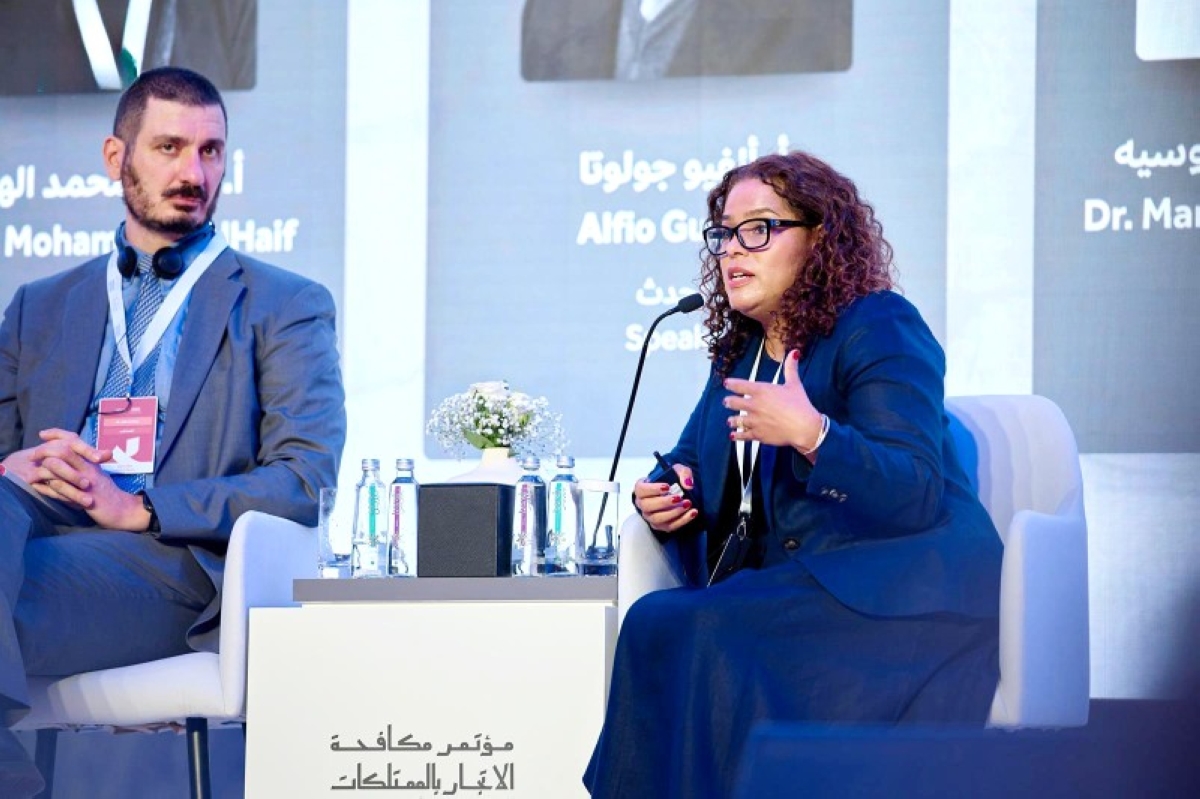
افتتحت هيئة التراث أولى جلسات المؤتمر الدولي لمكافحة الاتجار غير المشروع بالممتلكات الثقافية بعنوان «تعزيز الأطر القانونية على المستويات الوطنية والإقليمية والدولية»، ومثّلت الجلسة الانطلاقة العلمية للمؤتمر الذي جمع نخبة من الخبراء القانونيين والمتخصصين من مختلف دول العالم؛ لمناقشة التشريعات الوطنية والاتفاقيات الدولية التي تشكّل الأساس القانوني لحماية الممتلكات الثقافية من التهريب والاتجار غير المشروع. وأدار الجلسة نائب الرئيس لقطاع الثقافة في الهيئة الملكية لمحافظة العُلا أستاذ العمارة القديمة بجامعة الملك سعود الدكتور عبدالرحمن السحيباني، الذي استهلّ النقاش بالتأكيد على أهمية التكامل بين التشريعات الوطنية والاتفاقيات الدولية لضمان حماية شاملة للممتلكات الثقافية، مشيراً إلى أن البنية التشريعية القوية تشكّل ركيزة أساسية في مواجهة الجرائم العابرة للحدود التي تستهدف الموروث الإنساني.
وتناولت أوراق الجلسة الأولى أبرز التجارب الدولية والإقليمية في هذا المجال، وقدّم رئيس الفريق القانوني في هيئة التراث محمد محنشي ورقة بعنوان «حماية الممتلكات الثقافية وفقاً لنظام الآثار والتراث العمراني السعودي»، استعرض خلالها تطوّر الإطار التشريعي الوطني منذ صدور نظام الآثار عام 1972م وتحديثه في 2014م، وما تضمّنه من مواد تجرّم الاتجار بالممتلكات الأثرية، وتحدد آليات استعادتها وحماية مواقعها.
واستعرض المواد الخاصة في نظام الآثار والتراث العمراني المتعلقة بالاتجار بالآثار وحمايتها؛ إضافة إلى استعراض آخر تحديث لنظام الآثار الذي يعكس عناية المملكة بحماية الممتلكات الثقافية، ووضع فصل خاص لمنع الاتجار غير المشروع بالآثار. وفي الورقة الثانية، قدّمت كبيرة المستشارين القانونيين في المعهد الدولي لتوحيد القانون الخاص (يونيدروا) الدكتورة مارينا شنايدر عرضاً عن «تعزيز التصديق على اتفاقية يونيدروا لعام 1995م في دول مجلس التعاون الخليجي»، مؤكدة أن انضمام دول المنطقة إلى الاتفاقية يمثّل خطوة إستراتيجية لتعزيز استعادة الممتلكات المسروقة، وتوحيد الإجراءات القانونية، ورفع كفاءة التعاون القضائي الدولي في هذا المجال.
ثم قدم مسؤول السياسات في جهاز العمل الخارجي للاتحاد الأوروبي ألفيو غولوتا ورقة بعنوان «من السياسة إلى الممارسة: دور الاتحاد الأوروبي في حماية التراث الثقافي من الاتجار»، تحدث فيها عن دمج الاتحاد الأوروبي لقضايا حماية التراث ضمن مهمات الأمن والدفاع المشترك، ودور بعثاته الميدانية في العراق وأوكرانيا في دعم التشريعات الوطنية وبناء القدرات لمكافحة التهريب الثقافي.
من جانبها، أكدت مدير إدارة الثقافة والسياحة والآثار في الأمانة العامة لمجلس التعاون الخليجي عهود الهيف أن الاتجار غير المشروع بالممتلكات الثقافية أحد أخطر التحديات التي تواجه المجتمع الدولي لما ينطوي عليه من آثار سلبية على الهوية الحضارية والتنمية الثقافية والاقتصادية، مستعرضة الإطار القانوني لمكافحة الاتجار غير المشروع بالممتلكات الثقافية في السياقين الوطني والإقليمي.
وأشارت إلى أهمية المواءمة التشريعية بين دول المجلس وتطوير التعاون القانوني الموحد استنادا إلى «ميثاق المحافظة على التراث العمراني الخليجي»، و«القانون الإرشادي للآثار».
السعودية أنموذج في حماية التراث الثقافي
واختتمت الجلسة بمشاركة الدكتورة مارلين ميشيل لوسييه التي تناولت التحديات القانونية المرتبطة بتطبيق الاتفاقيات الدولية في البيئات المتعددة النظم، ودعت إلى وضع آليات تنفيذية مشتركة بين الدول والمنظمات لمتابعة قضايا الاتجار بالممتلكات الثقافية. وشهدت الجلسة تفاعلاً واسعاً من المشاركين، ودارت نقاشات حول سبل تعزيز التكامل بين الأطر القانونية الوطنية والإقليمية والدولية، وضرورة توحيد إجراءات التوثيق والتصنيف القانوني للممتلكات الثقافية، إلى جانب مقترحات بإنشاء قاعدة بيانات مشتركة تتيح تبادل المعلومات بين الجهات المعنية في الدول الأعضاء والمنظمات الدولية.
وفي ختام الجلسة، أشار المشاركون إلى أن المملكة أصبحت نموذجاً إقليمياً في تبنّي تشريعات متقدمة لحماية التراث الثقافي، مؤكدين أن التعاون القانوني الدولي يشكل خط الدفاع الأول في مواجهة شبكات الاتجار غير المشروع بالممتلكات الثقافية، وأن هذا المؤتمر يمثل نقطة انطلاق لتعزيز الجهود المشتركة نحو منظومة أكثر صرامة وفاعلية في حماية التراث الإنساني.
The Heritage Authority opened the first session of the International Conference on Combating the Illicit Trade in Cultural Property titled "Enhancing Legal Frameworks at National, Regional, and International Levels." The session marked the scientific launch of the conference, which brought together a select group of legal experts and specialists from various countries around the world to discuss national legislations and international agreements that form the legal basis for protecting cultural property from smuggling and illicit trade. The session was moderated by the Vice President for Culture at the Royal Commission for AlUla, Professor of Ancient Architecture at King Saud University, Dr. Abdulrahman Al-Suhaibani, who began the discussion by emphasizing the importance of integration between national legislations and international agreements to ensure comprehensive protection for cultural property, pointing out that a strong legislative framework is a fundamental pillar in combating transnational crimes targeting human heritage.
The first session papers addressed the most prominent international and regional experiences in this field. The head of the legal team at the Heritage Authority, Mohammed Mahnashi, presented a paper titled "Protection of Cultural Property According to the Saudi Antiquities and Cultural Heritage System," in which he reviewed the development of the national legislative framework since the issuance of the Antiquities System in 1972 and its update in 2014, including provisions that criminalize the trade in archaeological property and define mechanisms for their recovery and protection of their sites.
He reviewed the specific provisions in the Antiquities and Cultural Heritage System related to the trade in and protection of antiquities, in addition to presenting the latest update of the Antiquities System, which reflects the Kingdom's commitment to protecting cultural property, including a special chapter to prevent the illicit trade in antiquities. In the second paper, Dr. Marina Schneider, Senior Legal Advisor at the International Institute for the Unification of Private Law (UNIDROIT), presented a discussion on "Enhancing Ratification of the UNIDROIT Convention of 1995 in the Gulf Cooperation Council Countries," emphasizing that the accession of countries in the region to the convention represents a strategic step to enhance the recovery of stolen property, unify legal procedures, and improve the efficiency of international judicial cooperation in this field.
Then, Alvio Gulotta, Policy Officer at the European External Action Service, presented a paper titled "From Policy to Practice: The Role of the European Union in Protecting Cultural Heritage from Trafficking," discussing the EU's integration of heritage protection issues within its common security and defense missions, and the role of its field missions in Iraq and Ukraine in supporting national legislations and building capacities to combat cultural smuggling.
For her part, Ahood Al-Haif, Director of the Culture, Tourism, and Antiquities Department at the General Secretariat of the Gulf Cooperation Council, confirmed that the illicit trade in cultural property is one of the most serious challenges facing the international community due to its negative impacts on cultural identity and economic and cultural development, reviewing the legal framework for combating the illicit trade in cultural property in both national and regional contexts.
She pointed out the importance of legislative alignment among the Council member states and the development of unified legal cooperation based on the "Charter for the Preservation of Gulf Urban Heritage" and the "Guiding Law for Antiquities."
Saudi Arabia as a Model in Protecting Cultural Heritage
The session concluded with Dr. Marlene Michelle Lussier discussing the legal challenges associated with the implementation of international agreements in multi-system environments, calling for the establishment of joint executive mechanisms among countries and organizations to follow up on issues related to the trade in cultural property. The session witnessed wide interaction from participants, with discussions revolving around ways to enhance integration between national, regional, and international legal frameworks, the necessity of unifying documentation and legal classification procedures for cultural property, along with proposals to create a shared database that facilitates the exchange of information among relevant authorities in member states and international organizations.
At the end of the session, participants noted that the Kingdom has become a regional model in adopting advanced legislations for the protection of cultural heritage, affirming that international legal cooperation forms the first line of defense against networks engaged in the illicit trade of cultural property, and that this conference represents a starting point to enhance joint efforts towards a more stringent and effective system for protecting human heritage.