أطلق المستشار بالديوان الملكي المشرف العام على مركز الملك سلمان للإغاثة والأعمال الإنسانية الدكتور عبدالله الربيعة، في الرياض، مبادرة «بذرة» لتمكين صغار المنتجين الريفيين خارج المملكة، بحضور نائب وزير البيئة والمياه والزراعة المهندس منصور المشيطي.
وألقى الربيعة، كلمة قال فيها: «اليوم نحتفي معًا بتدشين مبادرة «بذرة»، التي تنطلق من قناعة راسخة بأن التنمية الحقيقية تبدأ حين تمكين الإنسان من القدرة على النهوض بنفسه، ومن ثم فإنها وعد بالاستدامة، وتجسيد لفكرة أن أصغر ما يزرع يثمر أعظم ما يمنح».
وأشار إلى أن مركز الملك سلمان للإغاثة، يؤمن بأن العطاء لا يكتمل إلا حينما يتحول إلى تمكين، ومن ثم فقد أتت «بذرة» لتحول المعاناة إلى فرص تفتح للمجتمعات المستهدفة آفاقاً رحبة بالاعتماد على أنفسهم ليتجاوزوا آثار الكوارث والنهوض من جديد، مبيناً أنه من هذه القناعة تنطلق «بذرة» في مسيرة تجمع بين خبرات مؤسساتنا الوطنية وفي مقدمتها وزارة البيئة والمياه والزراعة، وشركائنا من المنظمات الأممية والدولية والمحلية في الدول ذات الاحتياج الإنساني لتشكل منظومة منسجمة تثمر نتائج عميقة الأثر وفق قيم وطنية راسخة، وتقديراً من المركز لأهمية تحويل هذه المبادرة إلى واقع ملموس فقد حرص على إطلاق مشاريع نوعية تعنى بالزراعة المجتمعية، والدعم الفني، والتدريب المهني، وتمويل المشاريع الريفية الصغيرة، وتسويق منتجاتها بوسائل مبتكرة ومستدامة.
وفي الختام، دعا الدكتور الربيعة، شركاء المركز من الجهات الداعمة وكبار المانحين والقطاع الخاص والمجتمع المدني، ورواد المسؤولية المجتمعية للانضمام لهذه المبادرة العالمية، سائلاً المولى العلي القدير أن تكون (بذرة) غرساً مباركاً يورق خيراً، ويثمر عطاء، وينشر أملاً بغدٍ مشرق يعيش فيه الإنسان حياة كريمة مهما كانت الظروف.
تعزيز الاستدامة وتطوير الزراعة
أوضح نائب وزير البيئة والمياه والزراعة المهندس منصور المشيطي، أن الشراكة بين الوزارة والمركز ترتكز على ثلاثة أسس، تتمثل في تعزيز الاستدامة عبر التعاون بين مركز الملك سلمان للإغاثة والمركز الوطني لأبحاث وتطوير الزراعة المستدام «استدامة»، ونقل المعرفة والخبرة السعودية من خلال التعاون بين المركز وأكاديمية ريف السعودية، فضلاً عن تنمية الريف داخل المملكة وخارجها بالشراكة بين المركز وبرنامج ريف السعودية.
عقب ذلك، وقع المركز خمس اتفاقيات مع جهات محلية عدة؛ بهدف تعزيز التعاون الثنائي في مجالات تبادل الخبرات وبناء القدرات في المجالات ذات الصلة، والتعاون في مجال الدراسات البحثية والبرامج الإغاثية والإنسانية، ودعم التنمية الزراعية الشاملة.
الربيعة يدشن مبادرة «بذرة» لتمكين صغار المنتجين
16 أكتوبر 2025 - 02:15
|
آخر تحديث 16 أكتوبر 2025 - 02:15
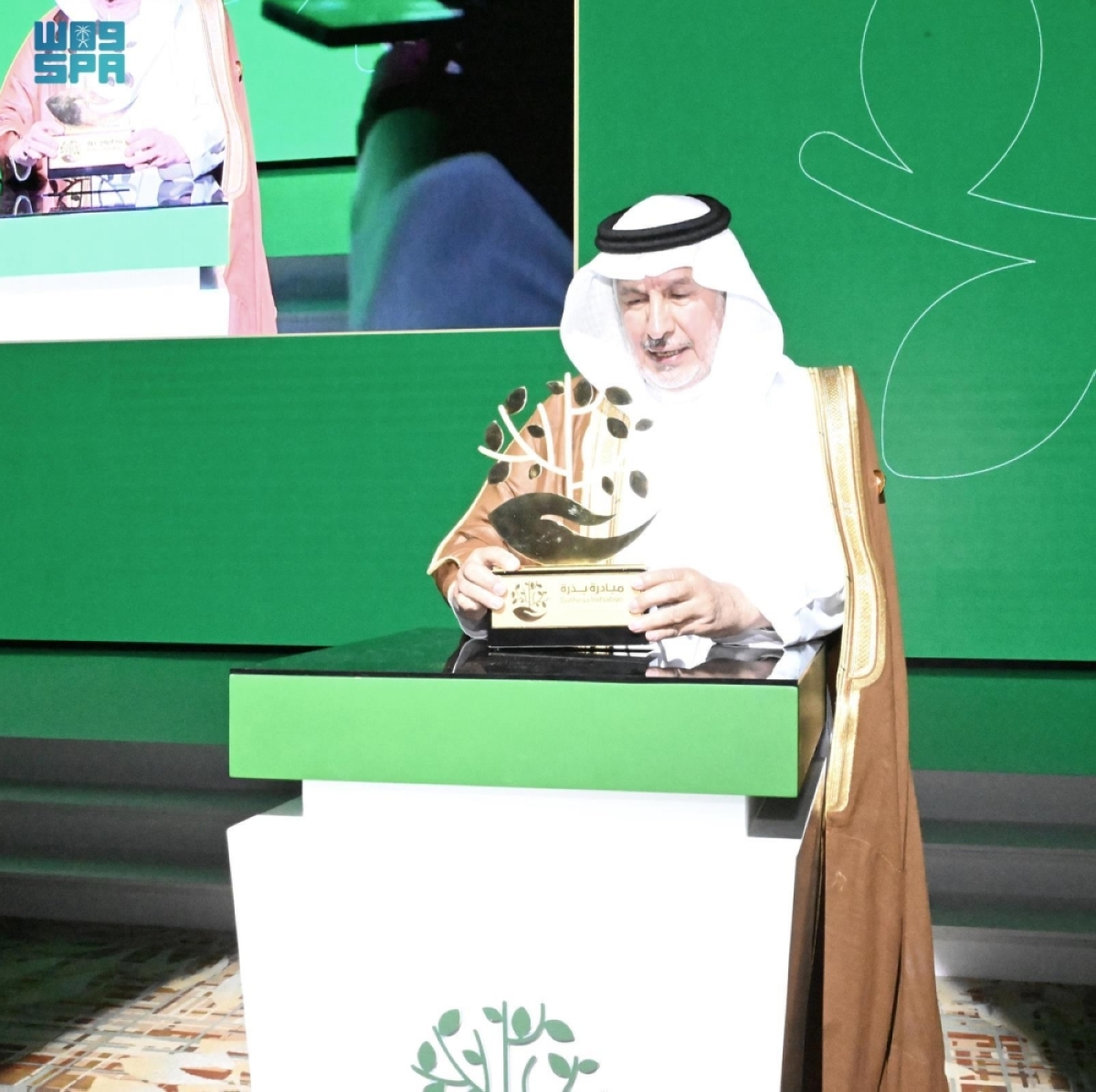
الربيعة خلال تدشين مبادرة بذرة. (واس)


تابع قناة عكاظ على الواتساب
«عكاظ» (الرياض) okaz_online@
The advisor at the Royal Court and General Supervisor of the King Salman Humanitarian Aid and Relief Center, Dr. Abdullah Al-Rabeeah, launched the "Seed" initiative in Riyadh to empower small rural producers outside the Kingdom, in the presence of the Deputy Minister of Environment, Water, and Agriculture, Engineer Mansour Al-Mushaiti.
Al-Rabeeah delivered a speech in which he said: "Today we celebrate together the launch of the 'Seed' initiative, which stems from a firm conviction that true development begins when a person is empowered to uplift themselves. Therefore, it is a promise of sustainability and a manifestation of the idea that the smallest seed sown yields the greatest gifts."
He pointed out that the King Salman Relief Center believes that giving is not complete unless it transforms into empowerment. Thus, "Seed" has come to turn suffering into opportunities that open wide horizons for the targeted communities to rely on themselves to overcome the effects of disasters and rise again. He indicated that from this conviction, "Seed" embarks on a journey that combines the expertise of our national institutions, led by the Ministry of Environment, Water, and Agriculture, and our partners from international, local, and UN organizations in countries with humanitarian needs, to form a cohesive system that yields deeply impactful results according to established national values. In recognition of the importance of turning this initiative into a tangible reality, the center has been keen to launch quality projects focused on community agriculture, technical support, vocational training, financing small rural projects, and marketing their products through innovative and sustainable means.
In conclusion, Dr. Al-Rabeeah called on the center's partners from supporting entities, major donors, the private sector, civil society, and corporate social responsibility pioneers to join this global initiative, asking the Almighty to make "Seed" a blessed planting that yields goodness, produces generosity, and spreads hope for a bright tomorrow where people live a dignified life regardless of the circumstances.
Enhancing Sustainability and Developing Agriculture
Engineer Mansour Al-Mushaiti, the Deputy Minister of Environment, Water, and Agriculture, clarified that the partnership between the ministry and the center is based on three foundations: enhancing sustainability through cooperation between the King Salman Relief Center and the National Center for Research and Development of Sustainable Agriculture "Istidama," transferring Saudi knowledge and expertise through cooperation between the center and the Saudi RIF Academy, as well as developing rural areas inside and outside the Kingdom in partnership between the center and the Saudi RIF Program.
Following that, the center signed five agreements with several local entities aimed at enhancing bilateral cooperation in areas of experience exchange and capacity building in related fields, collaborating in research studies and humanitarian relief programs, and supporting comprehensive agricultural development.
Al-Rabeeah delivered a speech in which he said: "Today we celebrate together the launch of the 'Seed' initiative, which stems from a firm conviction that true development begins when a person is empowered to uplift themselves. Therefore, it is a promise of sustainability and a manifestation of the idea that the smallest seed sown yields the greatest gifts."
He pointed out that the King Salman Relief Center believes that giving is not complete unless it transforms into empowerment. Thus, "Seed" has come to turn suffering into opportunities that open wide horizons for the targeted communities to rely on themselves to overcome the effects of disasters and rise again. He indicated that from this conviction, "Seed" embarks on a journey that combines the expertise of our national institutions, led by the Ministry of Environment, Water, and Agriculture, and our partners from international, local, and UN organizations in countries with humanitarian needs, to form a cohesive system that yields deeply impactful results according to established national values. In recognition of the importance of turning this initiative into a tangible reality, the center has been keen to launch quality projects focused on community agriculture, technical support, vocational training, financing small rural projects, and marketing their products through innovative and sustainable means.
In conclusion, Dr. Al-Rabeeah called on the center's partners from supporting entities, major donors, the private sector, civil society, and corporate social responsibility pioneers to join this global initiative, asking the Almighty to make "Seed" a blessed planting that yields goodness, produces generosity, and spreads hope for a bright tomorrow where people live a dignified life regardless of the circumstances.
Enhancing Sustainability and Developing Agriculture
Engineer Mansour Al-Mushaiti, the Deputy Minister of Environment, Water, and Agriculture, clarified that the partnership between the ministry and the center is based on three foundations: enhancing sustainability through cooperation between the King Salman Relief Center and the National Center for Research and Development of Sustainable Agriculture "Istidama," transferring Saudi knowledge and expertise through cooperation between the center and the Saudi RIF Academy, as well as developing rural areas inside and outside the Kingdom in partnership between the center and the Saudi RIF Program.
Following that, the center signed five agreements with several local entities aimed at enhancing bilateral cooperation in areas of experience exchange and capacity building in related fields, collaborating in research studies and humanitarian relief programs, and supporting comprehensive agricultural development.