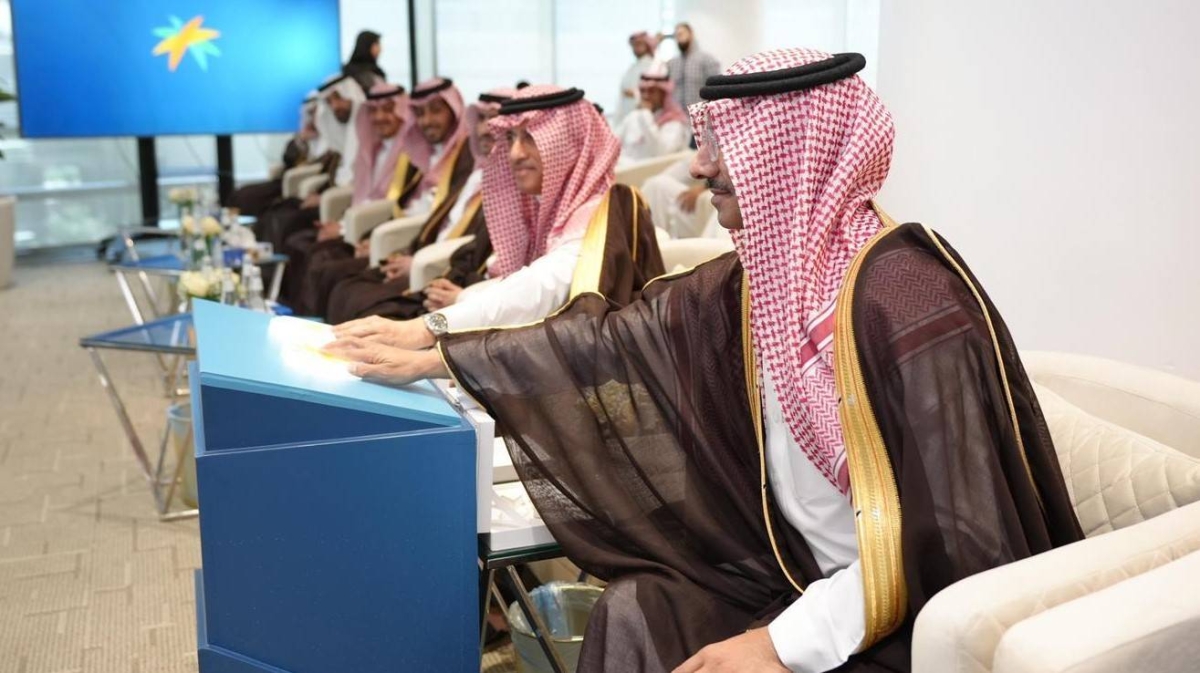
أعلنت وزارة الموارد البشرية بالتعاون مع وزارة العدل اليوم (الاثنين)، اعتماد بند الأجر في عقد العمل الموثق سندًا تنفيذيًا، في خطوة تهدف إلى تعزيز حماية الحقوق في سوق العمل، وترسيخ مبادئ الالتزام والإنصاف بين أطراف العلاقة التعاقدية، من خلال الربط التقني بين منصتي «قوى» و«ناجز».
ويُعدُّ بند الأجر سندًا نظاميًا يتيح للعامل أو صاحب العمل التقدم بطلب التنفيذ في حال الإخلال بسداد الأجر، دون الحاجة إلى مستندات إضافية، إذ يتم التحقق تلقائيًا عبر الربط مع منصة «مدد».
وتُعزز الآلية الموثوقة سرعة المعالجة، وتسهم في تيسير الوصول إلى الحقوق، بما ينعكس على استقرار بيئة العمل ورفع مستويات الامتثال.
وتُشترط الاستفادة من السند التنفيذي توثيق عقد العمل عبر منصة «قوى»، والحصول على رقم تنفيذي من مركز التوثيق بوزارة العدل، وفي حال عدم استلام العامل كامل أجره خلال 30 يومًا من تاريخ الاستحقاق، أو في حال استلامه جزئيًا بعد مرور 90 يومًا، يمكنه التقدم بطلب تنفيذ إلكتروني عبر منصة «ناجز»، على أن يحق للطرف الآخر «صاحب العمل» الاعتراض خلال خمسة أيام من تاريخ الإشعار.
ويتم تطبيق القرار على ثلاث مراحل تدريجية تبدأ في 6 أكتوبر 2025 للعقود الجديدة أو المحدثة، ثم تشمل العقود محددة المدة المجددة اعتبارًا من 6 مارس 2026، وصولًا إلى العقود غير محددة المدة في المرحلة الثالثة التي تبدأ في 6 أغسطس 2026، ما يمنح مختلف المنشآت والعاملين فرصة التكيّف المرحلي مع الإجراء الجديد.
ودعت الوزارة، جميع أصحاب العمل والعاملين إلى الاطلاع على الدليل الإرشادي المتاح عبر موقعها الإلكتروني، الذي يتضمن تفاصيل الضوابط والإجراءات والفئات المستفيدة وآلية التقديم، إلى جانب أبرز الأسئلة الشائعة.
يذكر أن اعتماد عقد العمل الموثق كسند تنفيذي يُجسّد أحد المسارات التطويرية التي أطلقتها الوزارة لبناء بيئة عمل قائمة على الوضوح والشفافية، وتعزيز ثقة أطراف العلاقة التعاقدية، من خلال توفير أدوات رقمية تنظّم الالتزامات وتحفظ الحقوق بصورة استباقية، بما يحد من النزاعات ويُسهم في تحسين جودة العلاقة التعاقدية، وضمان تنفيذ الحقوق بطريقة عادلة وفعّالة، إذ تشمل جميع العاملين ممن لديهم عقود عمل موثقة، بما يعكس شمولية المبادرة وعدالتها في التعامل مع أطراف العلاقة التعاقدية كافة.
The Ministry of Human Resources, in collaboration with the Ministry of Justice, announced today (Monday) the adoption of the wage clause in the documented employment contract as an executive instrument, in a step aimed at enhancing the protection of rights in the labor market and reinforcing the principles of commitment and fairness among the parties to the contractual relationship, through the technical linkage between the "Qiwa" and "Najiz" platforms.
The wage clause is a legal instrument that allows either the worker or the employer to file an execution request in the event of a failure to pay wages, without the need for additional documents, as verification is done automatically through the linkage with the "Mudad" platform.
This reliable mechanism enhances processing speed and facilitates access to rights, reflecting positively on the stability of the work environment and raising compliance levels.
To benefit from the executive instrument, it is required to document the employment contract through the "Qiwa" platform and obtain an executive number from the documentation center at the Ministry of Justice. If the worker does not receive their full wage within 30 days from the due date, or if they receive it partially after 90 days, they can submit an electronic execution request via the "Najiz" platform, with the right for the other party, the "employer," to object within five days from the date of notification.
The decision will be implemented in three gradual phases starting on October 6, 2025, for new or updated contracts, then it will include renewed fixed-term contracts starting from March 6, 2026, leading to indefinite contracts in the third phase, which begins on August 6, 2026, giving various establishments and workers the opportunity to gradually adapt to the new procedure.
The ministry called on all employers and workers to review the guidance document available on its website, which includes details about the regulations, procedures, beneficiary categories, and application mechanism, along with the most frequently asked questions.
It is worth noting that the adoption of the documented employment contract as an executive instrument embodies one of the developmental paths launched by the ministry to build a work environment based on clarity and transparency, and to enhance the trust of the parties in the contractual relationship, by providing digital tools that organize obligations and proactively safeguard rights, thereby reducing disputes and contributing to improving the quality of the contractual relationship, and ensuring the fair and effective implementation of rights, as it includes all workers with documented employment contracts, reflecting the initiative's inclusiveness and fairness in dealing with all parties to the contractual relationship.