في ذاكرة التاريخ العربي والإسلامي، يظل الملك عبدالعزيز بن عبدالرحمن آل سعود -رحمه الله- شخصية استثنائية جمعت بين سيف التوحيد وريشة العلم، فكما وحد الأرض تحت راية واحدة، سعى أيضًا إلى توحيد العقول حول مصادر العلم والفقه والتفسير، ليجعل من الكتاب شاهدًا على نهضة أمة وبناء دولة.
عناية بالكتب والعلماء
أفرد الباحث عبدالعزيز الرافعي -رحمه الله- دراسة وافية عن جهود الملك عبدالعزيز في نشر الكتب، تناول فيها تاريخ الطباعة، وأماكن النشر، وخطة التوزيع، مبرزًا أن الملك أولى عناية خاصة بالعلم الشرعي وعلوم التفسير والحديث والفقه، فموّل على نفقته طباعة عشرات الكتب القيمة، وجعلها متاحة للعلماء وطلبة العلم في مختلف أرجاء المملكة والعالم الإسلامي.
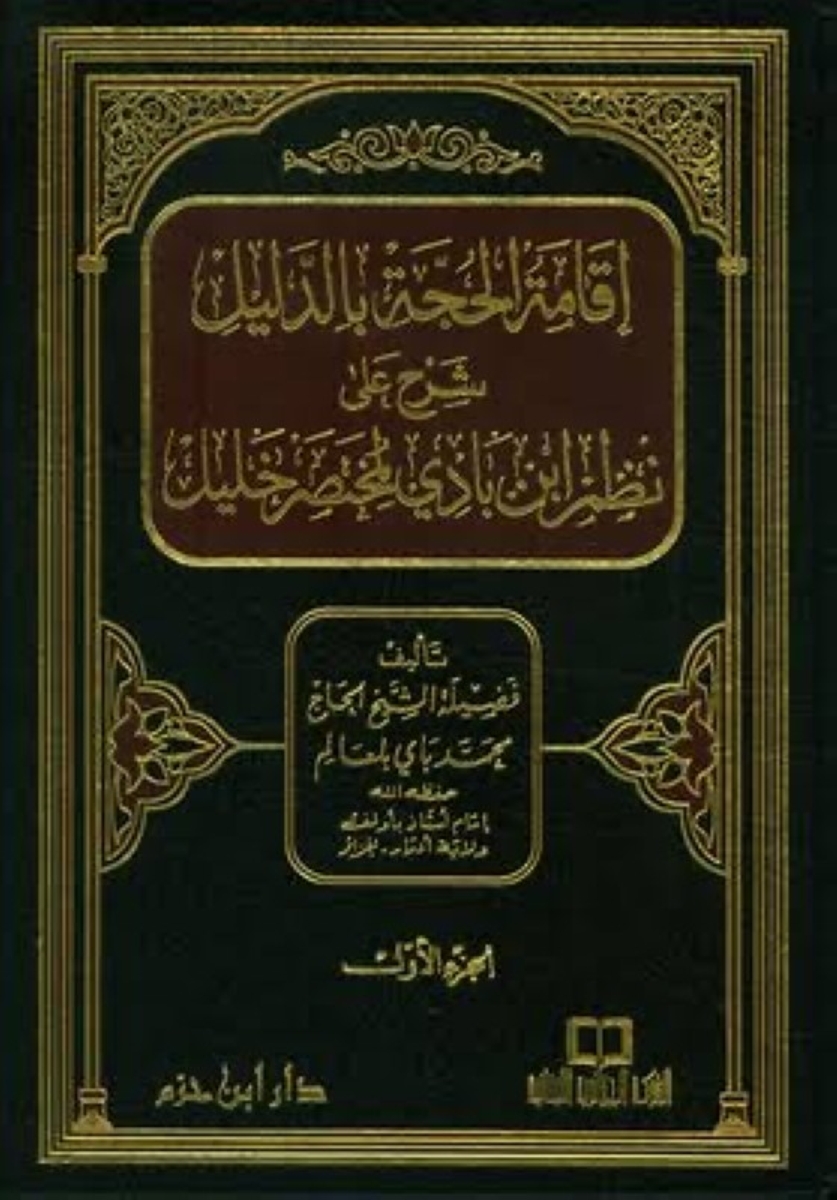
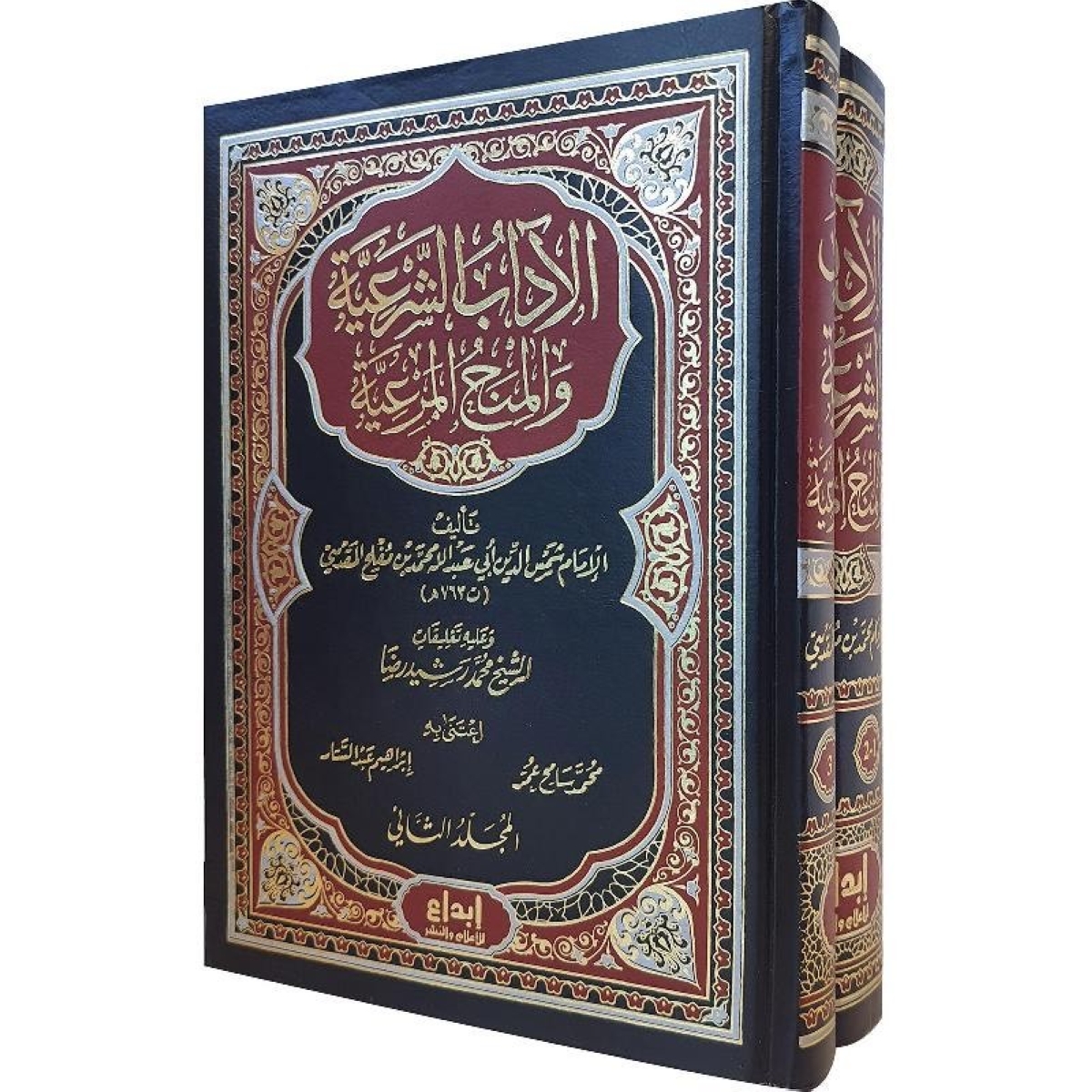
بلغ عدد الكتب التي طُبعت بدعمه ثمانية وتسعين كتابًا، ارتبطت كلها بمجالات التفسير، الحديث، الفقه، العقيدة، التاريخ الإسلامي، والأخلاق. ومن أبرزها: الآداب الشرعية والمنح المرعية لشمس الدين المقدسي الحنبلي (طُبع في القاهرة عام 1348هـ)، إقامة الحجة والدليل وإيضاح المحجة والسبيل لسليمان بن سحمان (طبعة هندية). الإقناع في فقه الإمام أحمد بن حنبل لشرف الدين الحجاوي، الإنصاف في معرفة الراجح من الخلاف للمرعاوي، في عشرين مجلدًا.
نشر العلم مع بناء الدولة
لم تكن هذه الجهود منعزلة عن مشروع الملك عبدالعزيز السياسي، بل كانت جزءًا أصيلًا من عملية التأسيس والتوحيد. فبينما كانت سراياه تنطلق لتوحيد الجزيرة، كانت مطابع القاهرة والهند تنبض بكتب التفسير والفقه والعقيدة الممولة من خزانته، في مشهد يجسد إدراكه العميق بأن الدولة لا تقوم على القوة العسكرية وحدها، بل تحتاج أيضًا إلى قوة العلم والمعرفة.
إرث فكري وحضاري
بهذا الجمع بين السيف والقلم، رسخ الملك عبدالعزيز تقليدًا حضاريًا جعل المملكة منذ نشأتها دولة حامية للدين، راعية للعلم، وناهضة بالثقافة الإسلامية. ولا تزال تلك الكتب شاهدة على بصمته في حفظ التراث ونشره، لتضاف إلى إنجازه الأكبر: توحيد البلاد تحت راية التوحيد، وصناعة معجزة التاريخ الحديث.
In the memory of Arab and Islamic history, King Abdulaziz bin Abdulrahman Al Saud - may God have mercy on him - remains an exceptional figure who combined the sword of unification with the pen of knowledge. Just as he united the land under one banner, he also sought to unify minds around sources of knowledge, jurisprudence, and interpretation, making the book a witness to the renaissance of a nation and the building of a state.
Care for Books and Scholars
The researcher Abdulaziz Al-Rafie - may God have mercy on him - dedicated a comprehensive study to the efforts of King Abdulaziz in disseminating books, addressing the history of printing, publishing locations, and distribution plans. He highlighted that the king paid special attention to religious knowledge and the sciences of interpretation, hadith, and jurisprudence, funding the printing of dozens of valuable books at his own expense and making them available to scholars and students of knowledge throughout the Kingdom and the Islamic world.
The number of books printed with his support reached ninety-eight, all related to the fields of interpretation, hadith, jurisprudence, creed, Islamic history, and ethics. Among the most notable are: The Legal Etiquettes and the Preserved Gifts by Shams al-Din Al-Maqdisi Al-Hanbali (printed in Cairo in 1348 AH), Establishing Evidence and Clarifying the Path and Way by Sulayman bin Sahman (Indian edition), The Convincing in the Jurisprudence of Imam Ahmad bin Hanbal by Sharaf al-Din Al-Hijawi, and The Justification in Knowing the Preferred from the Disagreement by Al-Maraawi, in twenty volumes.
Disseminating Knowledge Alongside State Building
These efforts were not isolated from King Abdulaziz's political project; rather, they were an integral part of the establishment and unification process. While his troops were mobilizing to unify the peninsula, the printing presses in Cairo and India were pulsating with books on interpretation, jurisprudence, and creed funded from his treasury, in a scene that embodies his deep understanding that a state cannot be built solely on military power but also needs the strength of knowledge and education.
Cultural and Intellectual Legacy
By combining the sword and the pen, King Abdulaziz established a civilizational tradition that made the Kingdom, since its inception, a protector of religion, a patron of knowledge, and a promoter of Islamic culture. Those books still stand as a testament to his imprint in preserving and disseminating heritage, adding to his greatest achievement: unifying the country under the banner of monotheism and creating a miracle in modern history.