


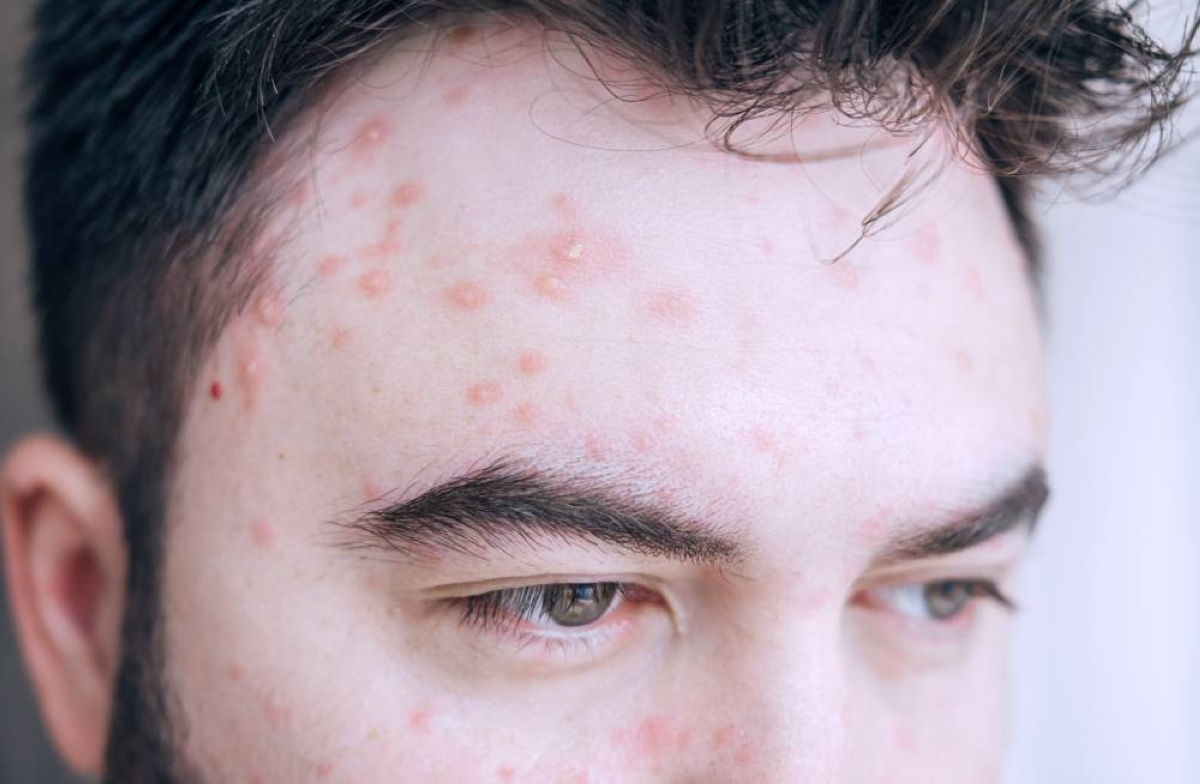
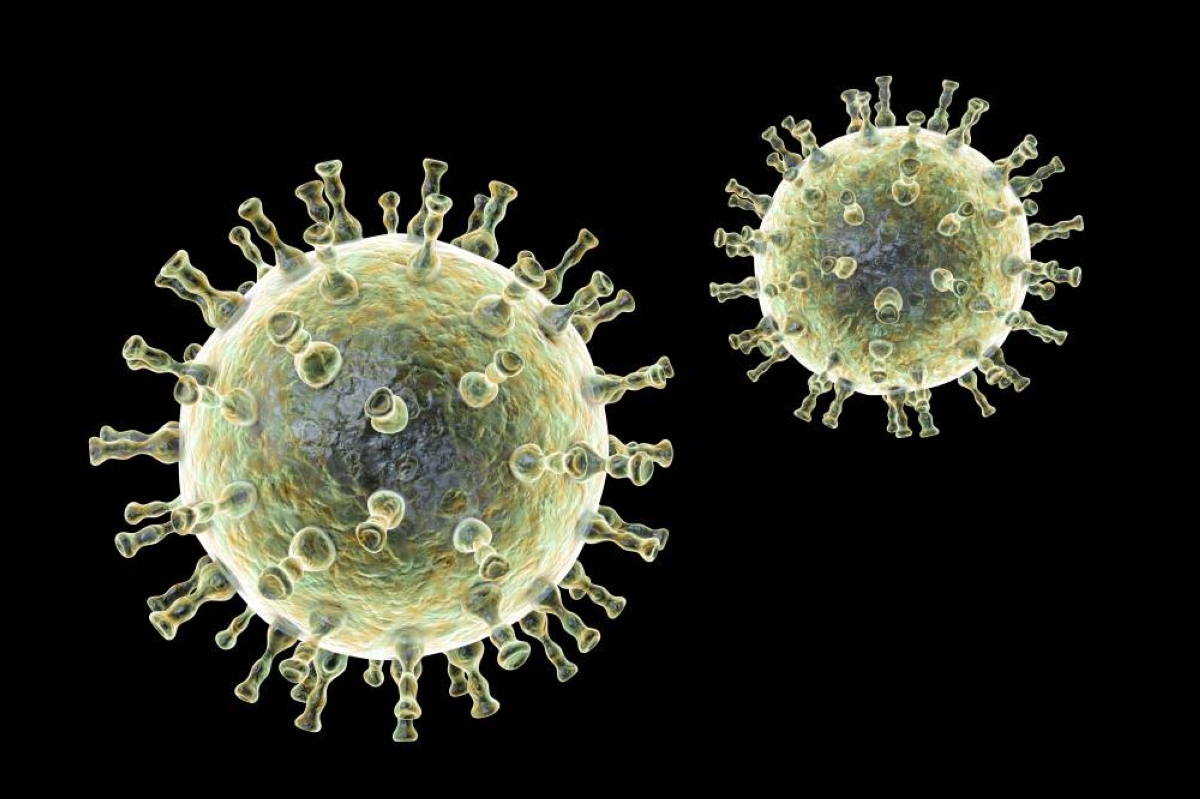
فايروس الجدري المائي، أو ما يُعرف بفايروس الحماق النطاقي (VZV)، يظهر على شكل حمى وطفح جلدي مثير للحكّة، ثم يتحول إلى بثور مملوءة بالسوائل وتقشُّر، ويُكافح باللقاح الذي عادة يؤخذ في سن الطفولة، ومهم تلقيه في سن البلوغ خصوصاً للنساء في سن الإنجاب متى أُصبن بالمرض. ووصفته وزارة الصحة بأنه عدوى فايروسية سريعة الانتقال تسبب حمى حادة وطفحاً جلدياً يظهر على الوجه والصدر والظهر. وحذرت من أن الشخص الذي يصاب به قد يكون معرضاً للإصابة بـ(الحزام الناري) الذي يسببه الفايروس نفسه نتيجة اختبائه في الخلايا العصبية. وشددت (الصحة) في تحذيراتها على أن الفايروس حتى بعد شفاء المريض قد يختبئ في الخلايا العصبية ويظهر بعد سنوات معاوداً نشاطه على شكل (الحزام الناري)، ولا يوجد له علاج نهائي، فقط مسكنات للآلام وتخفيف الأعراض فالجسم نفسه يحارب العدوى. من جانبها، أشارت منظمة الصحة العالمية، إلى أن الجدري المائي تظهر أعراضه في غضون أسبوع إلى 21 يوماً من التعرض له، وتشجع المنظمة على عزل المصاب والعناية بالنظافة.
الأطفال أسرع شفاءً
نبّه عدد من الأطباء عبر «عكاظ» إلى أن الفايروس المسبب للجدري المائي يظل ساكناً في الجسم حتى بعد الشفاء، ويمكن أن ينشط بعد عدة سنوات مسبباً (الحزام الناري). وأوضح الطبيب فيصل عدنان أنّ الجدري المائي مرض فايروسي شائع بين الأطفال، يسبب طفحاً جلدياً وحكة وحرارة (حمى)، وغالباً يمر دون مشاكل كبيرة، وأحياناً يؤدي إلى مضاعفات تحتاج متابعة خصوصاً لدى الكبار أو أصحاب المناعة الضعيفة. وأضاف أنّ «الفايروس المسبب للجدري المائي يظل ساكناً، وبعد سنوات يمكن أن ينشط من جديد ويسبب (الحزام الناري)، ويترك المرض أثراً طويل الأمد يتمثل في آلام عصبية مزمنة تستمر لأشهر أو سنوات، وهي من أبرز الروابط بين الجدري المائي وبعض الحالات المزمنة».
وبيّن الطبيب عدنان أن هناك دراسات كشفت وجود ارتباط نادر بين العدوى واحتمال حدوث مشاكل عصبية أو وعائية، مثل التهاب الأوعية الدموية في الدماغ أو الجلطات الدماغية، خصوصاً عند من لديهم عوامل مزمنة أخرى كالفشل الكلوي والسكر وأمراض القلب وضعف في المناعة، مفيداً أن «الجدري المائي في أغلب الأحيان مرض بسيط، وخطورته تكمن في آثاره طويلة المدى، مثل الألم العصبي المزمن أو المضاعفات العصبية الوعائية، لهذا السبب يُنصح بالوقاية بالتطعيم ومراجعة الطبيب عند ظهور مضاعفات»، مؤكداً أن الأطفال الذين تلقّوا التطعيم ضد الجدري المائي أقل عرضة للإصابة بالمرض، حتى في حال إصابتهم تكون الأعراض أخف بكثير مقارنة بغير المطعمين.
أشد خطورة على الحوامل
استشارية طب الأسرة الدكتورة سحر فريد الأهدل قالت لـ«عكاظ»: «إن (الجدري المائي) أحد الأمراض الفايروسية المعدية، ولا يزال يظهر في مختلف الأعمار رغم توافر اللقاحات الحديثة، ويسببه فايروس يُعرف باسم الحماق النطاقي ويظهر عادة على شكل طفح جلدي مميز عبارة عن فقاعات صغيرة مملوءة بسائل، ترافقه حكة مزعجة، إضافة إلى الحُمّى وأعراض شبيهة بالإنفلونزا».
وعن طرق انتقال العدوى أوضحت الأهدل، أن (الجدري المائي) ينتقل بسرعة بين الأفراد عبر الرذاذ التنفسي الناتج عن السعال أو العطس من شخص مصاب، كما يمكن أن ينتقل عن طريق ملامسة البثور أو الطفح الجلدي أو استخدام أدوات ملوثة بالفايروس. ويمكن أن يُصاب أي شخص بالجدري المائي في أي عمر، غير أنه أكثر شيوعاً بين الأطفال دون سن الـ12. أما البالغون الذين لم يصابوا به في طفولتهم ولم يحصلوا على اللقاح، فقد يتعرضون للإصابة في عمر متقدم، وتكون الأعراض لديهم أشد وأكثر خطورة، ولا يُعتبر الرجال أكثر عرضة من النساء أو العكس، إلا أن النساء الحوامل يُشكلن فئة عالية الخطورة، إذ قد يتسبب المرض لديهن في مضاعفات خطيرة تهدد الأم والجنين.
وعن مدى شدة العدوى تقول الدكتورة الأهدل: «إن الجدري المائي يعرف بكونه من أكثر الأمراض الفايروسية شدة في العدوى، إذ يبدأ المريض في نقل العدوى قبل ظهور الطفح بيومين، ويستمر خطر العدوى حتى تجف جميع البثور، وهي فترة تمتد عادة بين 7 إلى 10 أيام ومن أبرز سبل الوقاية التطعيم الذي يُعطى عادة على جرعتين للأطفال».
نصائح للتعافي والوقاية
نصحت الدكتورة الأهدل بتجنّب مخالطة المرضى حتى يتماثلوا تماماً للشفاء، والالتزام بغسل اليدين جيداً بعد ملامسة أدوات المريض أو التعامل معه، وارتداء الكمامة في حال رعاية المصاب، وتوخي الحذر الشديد لدى الحوامل وضعاف المناعة. وشددت على أن (الجدري المائي) مرض لا يُستهان به رغم اعتقاد البعض أنه «مرض طفولي عابر»، مشيرة إلى أن الالتزام بالتطعيم ووسائل الوقاية يضمن حماية الفرد والمجتمع من مضاعفاته وانتشاره الواسع.
يختفي
في العُقَد الحسيّة
وعن علاقة الجدري المائي بـ(الحزام الناري) يقول استشاري كبار السّن والشيخوخة الدكتور سليمان كسار لـ«عكاظ»: «إن المرضين يسببهما فايروس واحد وهو أحد فايروسات الهربس، فالعدوى الأولية بالفايروس تظهر كجدري مائي غالباً في الطفولة، وبعد الشفاء يبقى الفايروس كامناً في العقد العصبية الحسية لسنوات، وعند ضعف المناعة لأسباب مثل التقدم في العمر أو وجود أمراض مزمنة أو استعمال أدوية مثبطة للمناعة، يُعاد تنشيطه ليظهر كـ(حزام ناري)».
ويشير الدكتور كسار إلى التشابه في الأعراض مثل الإرهاق، الحمى خفيفة، ألم أو وخز عصبي، الطفح الجلدي الحويصلي الممتلئ بسائل، وكلا المرضين معدٍ بدرجات مختلفة، مبيناً أن الفئات الأكثر عرضة للإصابة بـ(الحزام الناري) هم كبار السن، ويزداد معدل الإصابة بوضوح بعد سن الـ50، وكذا مرضى الأمراض المزمنة كالسكري، وأمراض القلب، السرطان ومن يستعملون أدوية مثبطة للمناعة مثل مرضى زراعة الأعضاء، أو مستخدمي الكورتيزون والعلاج الكيميائي.
مضاعفات المرض
وعن مضاعفات الجدري المائي، أوضح نائب أول طبيب أسرة الدكتور رامي أبو شنب لـ«عكاظ»: أنه ورغم أن معظم الحالات بسيطة، إلا أن بعض المضاعفات قد تحدث خصوصاً عند الكبار أو مرضى نقص المناعة كالتهاب الجلد البكتيري والتهاب الرئة الفايروسي والتهاب الدماغ، كما أن إصابة الحوامل قد تؤدي إلى تشوهات خلقية أو عدوى خطيرة للمولود، وبعد الشفاء يبقى الفايروس كامناً في الأعصاب وقد ينشط لاحقاً مسبباً (الحزام الناري).
«الجدري الساكن» يبدأ ببثور وحمّى وينتهي بـ«الحزام الناري»
فايروس الماء والنار !
19 سبتمبر 2025 - 01:18
|
آخر تحديث 19 سبتمبر 2025 - 01:18


تابع قناة عكاظ على الواتساب
زين عنبر (جدة) zain_ambar@
The varicella virus, also known as the varicella-zoster virus (VZV), presents as fever and an itchy rash, which then evolves into fluid-filled blisters and peeling. It is combated with a vaccine that is typically administered in childhood, and it is important to receive it in adulthood, especially for women of childbearing age if they contract the disease. The Ministry of Health described it as a rapidly transmissible viral infection that causes high fever and a rash that appears on the face, chest, and back. It warned that a person who contracts it may be at risk of developing shingles, which is caused by the same virus hiding in the nerve cells. The Ministry emphasized in its warnings that the virus can remain dormant in the nerve cells even after the patient recovers and can reactivate years later as shingles, and there is no definitive cure, only pain relievers and symptom relief, as the body itself fights the infection. For its part, the World Health Organization noted that symptoms of chickenpox appear within one week to 21 days of exposure, and the organization encourages isolating the infected person and maintaining hygiene.
Children recover faster
A number of doctors warned through "Okaz" that the virus causing chickenpox remains dormant in the body even after recovery and can reactivate after several years, causing shingles. Dr. Faisal Adnan explained that chickenpox is a common viral disease among children, causing a rash, itching, and fever, and it often resolves without significant issues, but sometimes leads to complications that require monitoring, especially in adults or those with weakened immunity. He added that "the virus causing chickenpox remains dormant, and after years it can reactivate and cause shingles, leaving a long-term impact manifested in chronic nerve pain that can last for months or years, which is one of the most prominent links between chickenpox and some chronic conditions."
Dr. Adnan indicated that studies have revealed a rare association between the infection and the likelihood of developing neurological or vascular problems, such as inflammation of the blood vessels in the brain or strokes, especially in those with other chronic factors like kidney failure, diabetes, heart diseases, and weakened immunity, noting that "chickenpox is often a mild disease, and its danger lies in its long-term effects, such as chronic nerve pain or neurological vascular complications. For this reason, vaccination is recommended, and consulting a doctor when complications arise," confirming that children who have been vaccinated against chickenpox are less likely to contract the disease, and even if they do, their symptoms are much milder compared to those who are unvaccinated.
More dangerous for pregnant women
Family medicine consultant Dr. Sahar Farid Al-Ahdal told "Okaz": "Chickenpox is one of the contagious viral diseases, and it still appears in various ages despite the availability of modern vaccines. It is caused by a virus known as the varicella-zoster virus and usually presents as a distinctive rash consisting of small fluid-filled blisters, accompanied by bothersome itching, fever, and flu-like symptoms."
Regarding the transmission of the infection, Al-Ahdal explained that chickenpox spreads rapidly among individuals through respiratory droplets resulting from coughing or sneezing from an infected person, and it can also be transmitted by touching the blisters or rash or using contaminated tools. Anyone can contract chickenpox at any age, but it is more common among children under 12. Adults who did not contract it in childhood and did not receive the vaccine may be at risk of infection at an older age, and their symptoms tend to be more severe and dangerous. Men are not considered more susceptible than women or vice versa, but pregnant women represent a high-risk group, as the disease can cause serious complications threatening both the mother and the fetus.
Regarding the severity of the infection, Dr. Al-Ahdal states: "Chickenpox is known to be one of the most contagious viral diseases, as the patient begins to transmit the infection two days before the rash appears, and the risk of transmission continues until all the blisters have dried, a period that usually lasts between 7 to 10 days, with vaccination being one of the most prominent means of prevention, usually given in two doses to children."
Tips for recovery and prevention
Dr. Al-Ahdal advised avoiding contact with infected individuals until they have fully recovered, adhering to thorough handwashing after touching the patient's tools or interacting with them, wearing a mask when caring for the infected person, and exercising extreme caution among pregnant women and those with weakened immunity. She emphasized that chickenpox is a disease that should not be underestimated, despite some believing it to be a "transient childhood disease," noting that adherence to vaccination and preventive measures ensures protection for individuals and the community from its complications and widespread transmission.
Disappears
In sensory ganglia
Regarding the relationship between chickenpox and shingles, geriatric and aging consultant Dr. Suleiman Kassar told "Okaz": "Both diseases are caused by the same virus, which is one of the herpes viruses. The initial infection with the virus appears as chickenpox, usually in childhood, and after recovery, the virus remains dormant in the sensory nerve ganglia for years. When immunity weakens due to reasons such as aging, the presence of chronic diseases, or the use of immunosuppressive medications, it reactivates to appear as shingles."
Dr. Kassar points out the similarity in symptoms such as fatigue, mild fever, nerve pain or tingling, and the vesicular rash filled with fluid. Both diseases are contagious to varying degrees, indicating that the most susceptible groups to shingles are the elderly, with the incidence rate clearly increasing after the age of 50, as well as patients with chronic diseases like diabetes, heart diseases, cancer, and those using immunosuppressive medications such as organ transplant patients or those using corticosteroids and chemotherapy.
Complications of the disease
Regarding the complications of chickenpox, Dr. Rami Abu Shanab, senior family physician, explained to "Okaz": that although most cases are mild, some complications may occur, especially in adults or immunocompromised patients, such as bacterial skin infections, viral pneumonia, and encephalitis. Additionally, infection in pregnant women may lead to congenital abnormalities or serious infections in the newborn. After recovery, the virus remains dormant in the nerves and may reactivate later, causing shingles.
Children recover faster
A number of doctors warned through "Okaz" that the virus causing chickenpox remains dormant in the body even after recovery and can reactivate after several years, causing shingles. Dr. Faisal Adnan explained that chickenpox is a common viral disease among children, causing a rash, itching, and fever, and it often resolves without significant issues, but sometimes leads to complications that require monitoring, especially in adults or those with weakened immunity. He added that "the virus causing chickenpox remains dormant, and after years it can reactivate and cause shingles, leaving a long-term impact manifested in chronic nerve pain that can last for months or years, which is one of the most prominent links between chickenpox and some chronic conditions."
Dr. Adnan indicated that studies have revealed a rare association between the infection and the likelihood of developing neurological or vascular problems, such as inflammation of the blood vessels in the brain or strokes, especially in those with other chronic factors like kidney failure, diabetes, heart diseases, and weakened immunity, noting that "chickenpox is often a mild disease, and its danger lies in its long-term effects, such as chronic nerve pain or neurological vascular complications. For this reason, vaccination is recommended, and consulting a doctor when complications arise," confirming that children who have been vaccinated against chickenpox are less likely to contract the disease, and even if they do, their symptoms are much milder compared to those who are unvaccinated.
More dangerous for pregnant women
Family medicine consultant Dr. Sahar Farid Al-Ahdal told "Okaz": "Chickenpox is one of the contagious viral diseases, and it still appears in various ages despite the availability of modern vaccines. It is caused by a virus known as the varicella-zoster virus and usually presents as a distinctive rash consisting of small fluid-filled blisters, accompanied by bothersome itching, fever, and flu-like symptoms."
Regarding the transmission of the infection, Al-Ahdal explained that chickenpox spreads rapidly among individuals through respiratory droplets resulting from coughing or sneezing from an infected person, and it can also be transmitted by touching the blisters or rash or using contaminated tools. Anyone can contract chickenpox at any age, but it is more common among children under 12. Adults who did not contract it in childhood and did not receive the vaccine may be at risk of infection at an older age, and their symptoms tend to be more severe and dangerous. Men are not considered more susceptible than women or vice versa, but pregnant women represent a high-risk group, as the disease can cause serious complications threatening both the mother and the fetus.
Regarding the severity of the infection, Dr. Al-Ahdal states: "Chickenpox is known to be one of the most contagious viral diseases, as the patient begins to transmit the infection two days before the rash appears, and the risk of transmission continues until all the blisters have dried, a period that usually lasts between 7 to 10 days, with vaccination being one of the most prominent means of prevention, usually given in two doses to children."
Tips for recovery and prevention
Dr. Al-Ahdal advised avoiding contact with infected individuals until they have fully recovered, adhering to thorough handwashing after touching the patient's tools or interacting with them, wearing a mask when caring for the infected person, and exercising extreme caution among pregnant women and those with weakened immunity. She emphasized that chickenpox is a disease that should not be underestimated, despite some believing it to be a "transient childhood disease," noting that adherence to vaccination and preventive measures ensures protection for individuals and the community from its complications and widespread transmission.
Disappears
In sensory ganglia
Regarding the relationship between chickenpox and shingles, geriatric and aging consultant Dr. Suleiman Kassar told "Okaz": "Both diseases are caused by the same virus, which is one of the herpes viruses. The initial infection with the virus appears as chickenpox, usually in childhood, and after recovery, the virus remains dormant in the sensory nerve ganglia for years. When immunity weakens due to reasons such as aging, the presence of chronic diseases, or the use of immunosuppressive medications, it reactivates to appear as shingles."
Dr. Kassar points out the similarity in symptoms such as fatigue, mild fever, nerve pain or tingling, and the vesicular rash filled with fluid. Both diseases are contagious to varying degrees, indicating that the most susceptible groups to shingles are the elderly, with the incidence rate clearly increasing after the age of 50, as well as patients with chronic diseases like diabetes, heart diseases, cancer, and those using immunosuppressive medications such as organ transplant patients or those using corticosteroids and chemotherapy.
Complications of the disease
Regarding the complications of chickenpox, Dr. Rami Abu Shanab, senior family physician, explained to "Okaz": that although most cases are mild, some complications may occur, especially in adults or immunocompromised patients, such as bacterial skin infections, viral pneumonia, and encephalitis. Additionally, infection in pregnant women may lead to congenital abnormalities or serious infections in the newborn. After recovery, the virus remains dormant in the nerves and may reactivate later, causing shingles.