


رصدت «عكاظ»، خلال جولة ميدانية، أمس (الأربعاء)، على عدد من أسواق النفع العام في محافظة الطائف، غياب أي تجهيزات فعلية لتركيب موازين بيع المواشي، وذلك قبل سبعة أيام من دخول قرار البيع بالوزن حيّز التنفيذ وسط ترقب من الباعة والمشترين، في ظل استمرار الأسعار المرتفعة.وراوحت قيمة البيع للحري الوسط بين 1400- 1600 ريال، والسواكني الوسط ما بين 1200- 1400 ريال، وبحسب البائع (محمد) من جنسية عربية، فإن الأوزان لم تصل في ظل احتفاظ السوق بالأسعار المرتفعة. وقال عبدالله بائع آخر: إنهم ينتظرون إعلان آلية البيع التي لم تتضح حتى الآن، فيما يرى عبدالرحمن الروقي أن تحديد الأسعار للأوزان صعب تنفيذه؛ لأن السوق يحكمها العرض والطلب.وكانت وزارة البيئة والمياه والزراعة أعلنت بدء تطبيق آليات بيع المواشي الحية بالوزن في أسواق النفع العام؛ بهدف تعزيز الشفافية وتنظيم عمليات البيع، لكن المشهد الميداني حتى اللحظة لا يعكس أي مؤشرات على جاهزية الأسواق للتنفيذ.وفي ورشة «البيع بالأوزان»، التي عقدت أخيراً بالرياض، أوضح وكيل الوزارة المهندس محمد العبداللطيف، أن القرار سيُطبق على مستوى التجزئة دون الجملة، مؤكداً أن الأسعار ستُحدد بناءً على عمر ونوع الماشية، بينما يشمل الوزن جسم الماشية كاملاً بما فيه الجلد والعظم والماء. وأشار العبداللطيف، إلى أن الموازين تختلف باختلاف نوع المواشي (غنم، إبل، أبقار)، وأن الوزارة لا تتدخل في تحديد الأسعار، لكنها تتابع تنفيذ الآلية، ضمن منظومة رقابية تتضمن رصد المخالفات وفرض العقوبات.من جانبه، أبدى المهتم بتنمية الثروة الحيوانية سعود الهفتاء لـ«عكاظ» تحفظه على استثناء تجار الجملة من القرار، معتبراً أنه يسبب إرباكاً في السوق ويضر بشريحة تجار التجزئة والمستهلك النهائي، مطالباً بتوسيع نطاق التطبيق ليشمل جميع مراحل البيع، والتشديد في الرقابة؛ لضمان العدالة.
«عكاظ» ترصد: أسواق النفع بلا موازين قبل 7 أيام من التطبيق
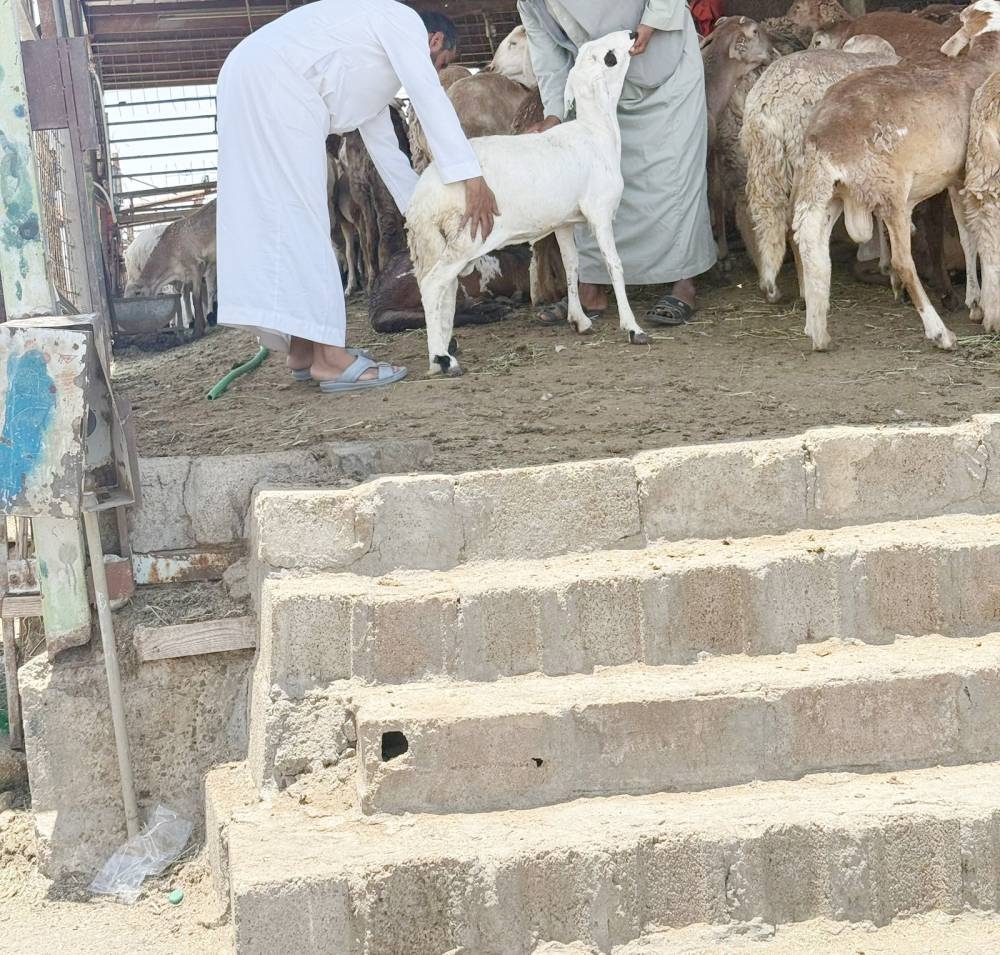


"Okaz" monitored, during a field tour yesterday (Wednesday), several public benefit markets in Taif Governorate, the absence of any actual preparations for installing scales for selling livestock, just seven days before the implementation of the weight-based selling decision, amid anticipation from sellers and buyers, in light of the continued high prices. The selling price for average Al-Hari sheep ranged between 1400-1600 riyals, and the average Al-Sawakan sheep ranged between 1200-1400 riyals. According to the seller (Mohammed), who is of Arab nationality, the weights have not arrived while the market retains high prices. Another seller, Abdullah, stated that they are waiting for the announcement of the selling mechanism, which has not yet been clarified, while Abdulrahman Al-Ruqai believes that determining prices based on weight is difficult to implement because the market is governed by supply and demand. The Ministry of Environment, Water, and Agriculture had announced the start of implementing mechanisms for selling live livestock by weight in public benefit markets, aiming to enhance transparency and organize sales operations, but the current field scene does not reflect any indicators of market readiness for implementation. In the "Selling by Weights" workshop recently held in Riyadh, the ministry's undersecretary, Engineer Mohammed Al-Abdulatif, clarified that the decision will be applied at the retail level, not wholesale, confirming that prices will be determined based on the age and type of livestock, while the weight includes the entire body of the livestock, including skin, bones, and water. Al-Abdulatif pointed out that the scales vary depending on the type of livestock (sheep, camels, cattle), and that the ministry does not intervene in price determination, but it monitors the implementation of the mechanism within a regulatory system that includes monitoring violations and imposing penalties. For his part, livestock development enthusiast Saud Al-Haftah expressed to "Okaz" his reservations about excluding wholesale traders from the decision, considering it causes confusion in the market and harms the retail traders and the final consumer, calling for the expansion of the application scope to include all stages of sale and for stricter oversight to ensure fairness.


