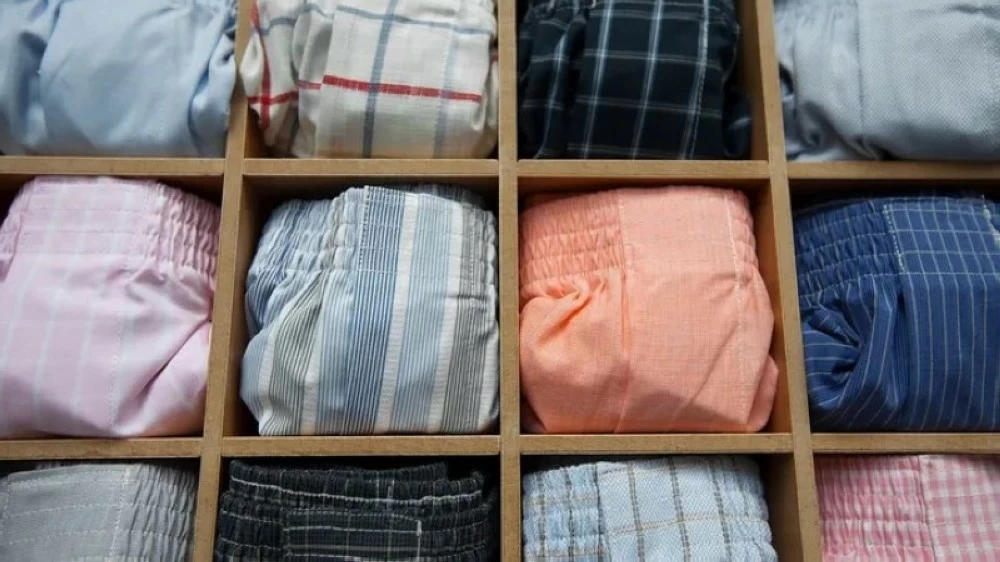
يتجه عدد متزايد من الرجال إلى تغيير نوع ملابسهم الداخلية بدافع القلق المتزايد بشأن الخصوبة وصحة الهرمونات، في ظاهرة انتشرت عبر الإنترنت ومنصات التواصل الاجتماعي.
وبحسب تقرير لصحيفة وول ستريت جورنال، بدأ بعض الرجال في استبدال الملابس المصنوعة من البوليستر والأقمشة الصناعية ببدائل طبيعية مثل القطن والصوف والمواد العضوية، تجنباً لما يصفونه بمخاطر الميكروبلاستيك و«المواد الكيميائية الأبدية»، والاشتباه في ارتباطها المحتمل بالعقم.
مخاوف من الميكروبلاستيك
وتشير دراسات حديثة إلى أن الميكروبلاستيك المنتشر في الهواء والماء والطعام والبيئة قد ينقل ملوثات إلى أعضاء الجسم، ويسبب مضاعفات صحية مثل الالتهابات، وأمراض القلب، وتلف الخلايا، وحتى السرطان.
ومع تزايد العلامات التجارية التي تروّج لملابس داخلية «صحية» أو «عضوية» للرجال، تعززت هذه المخاوف من خلال النقاشات الدائرة على وسائل التواصل الاجتماعي والبودكاست.
شكوك طبية حول التأثير الحقيقي
لكن خبراء الخصوبة يبدون حذراً تجاه هذه الادعاءات، إذ قال اختصاصي المسالك البولية التناسلية والجراحة المجهرية في كاليفورنيا الدكتور بول توريك إن الحديث عن الميكروبلاستيك بات شائعاً جداً، لكنه أكد أنه لم يرَ بعد أدلة علمية قوية تثبت أن نوع القماش المستخدم في الملابس الداخلية يؤثر مباشرة على خصوبة الرجال. وأضاف أنه ينصح مرضاه عموماً بتقليل التعرض للبلاستيك، ولكن من دون الجزم بوجود رابط مباشر مع العقم.
المشكلة ليست القماش فقط
من جهتها، أوضحت مديرة قسم حفظ الخصوبة في مركز CCRM للخصوبة في نيويورك الدكتورة جيمي كنوبمان أن ارتداء الملابس الداخلية الضيقة قد يؤثر نظرياً على الخصوبة، لكن ليس بسبب القماش وحده.
وقالت: «الملابس الضيقة قد ترفع درجة حرارة الخصيتين، ما قد يؤثر سلباً على جودة وعدد الحيوانات المنوية، وبالتالي تقل الخصوبة».
ومع ذلك، أكدت أنها لم تلحظ في ممارستها الطبية علاقة مباشرة بين نوع الملابس الداخلية أو خامتها وخصوبة المرضى، كما لم ترَ تغيرات واضحة لدى من قاموا بتبديل نوع الملابس.
الحرارة عامل أكثر أهمية
وفي السياق نفسه، قال الدكتور أليكس روبليس من مركز الخصوبة بجامعة كولومبيا، أنه لا يوجد دليل قوي يثبت أن نوع الأقمشة بحد ذاته له تأثير ملموس على خصوبة الرجال.
وأضاف: «لكن ارتفاع حرارة كيس الصفن، سواء بسبب الملابس الضيقة، أو الجلوس الطويل، أو ركوب الدراجات، أو التعرض للحرارة، ارتبط في بعض الدراسات بتراجع جودة السائل المنوي».
وأشار إلى أن تغيير الملابس الداخلية وحده نادراً ما يؤدي إلى تحسن كبير في الخصوبة، لكنه قد يُحدث تحسناً طفيفاً لدى بعض الرجال إذا ابتعدوا عن الملابس شديدة الضيق التي تحتفظ بالحرارة.
نمط الحياة هو العامل الحاسم
وأكدت كنوبمان أن علاج مشكلات الخصوبة لدى الرجال يجب أن يبدأ بتقييم شامل، يشمل النوم، والتغذية، والنشاط البدني، إلى جانب مراجعة طبيب مختص.
وقالت: «تغيير الملابس الداخلية لن يضر، لكنه نادراً ما يكون السبب الوحيد وراء العقم، ومن الصعب جداً الجزم بأن خللاً في تحليل السائل المنوي سببه اختيار الملابس فقط».
وشددت على أن الخصوبة ليست مشكلة نسائية فقط، بل مسؤولية مشتركة، وأن تعديل نمط الحياة يجب أن يشمل الرجال والنساء على حد سواء.
توصيات الخبراء
وينصح الأطباء الرجال الراغبين في تحسين صحتهم الإنجابية باختيار ملابس داخلية مريحة وغير ضيقة، وتجنب التعرض المفرط للحرارة (كالحمامات الساخنة الطويلة)، وتقليل الجلوس المطوّل وركوب الدراجات لفترات طويلة، وتحسين النظام الغذائي والنوم، والابتعاد عن التدخين والكحول، ومراجعة اختصاصي خصوبة عند وجود صعوبات في الإنجاب.
ويختتم الدكتور روبليس قائلاً: «العوامل الأكثر تأثيراً على خصوبة الرجال هي العمر، والسمنة، والتدخين، والحرارة، والسموم البيئية، والحالات الطبية الكامنة، وإذا وُجدت مشكلة، فاستشارة مختص هي الخطوة الأهم».
An increasing number of men are turning to change their type of underwear driven by growing concerns about fertility and hormonal health, in a phenomenon that has spread across the internet and social media platforms.
According to a report by The Wall Street Journal, some men have started replacing polyester and synthetic fabric underwear with natural alternatives like cotton, wool, and organic materials, avoiding what they describe as the risks of microplastics and "forever chemicals," and the suspected potential link to infertility.
Concerns About Microplastics
Recent studies indicate that microplastics prevalent in air, water, food, and the environment may transfer pollutants to body organs, causing health complications such as inflammation, heart disease, cellular damage, and even cancer.
As more brands promote "healthy" or "organic" underwear for men, these concerns have been amplified through discussions on social media and podcasts.
Medical Doubts About the Real Impact
However, fertility experts are cautious about these claims. Dr. Paul Torric, a urologist and microsurgeon in California, stated that while discussions about microplastics have become very common, he has yet to see strong scientific evidence proving that the type of fabric used in underwear directly affects men's fertility. He added that he generally advises his patients to reduce exposure to plastics, but without asserting a direct link to infertility.
The Issue is Not Just the Fabric
For her part, Dr. Jamie Knopman, director of the fertility preservation department at CCRM Fertility in New York, explained that wearing tight underwear could theoretically affect fertility, but not solely due to the fabric.
She said, "Tight clothing may raise the temperature of the testicles, which could negatively impact the quality and quantity of sperm, thus reducing fertility."
However, she confirmed that she has not observed a direct relationship between the type of underwear or its material and her patients' fertility, nor has she seen significant changes in those who switched their underwear type.
Heat is a More Important Factor
In the same context, Dr. Alex Robles from the fertility center at Columbia University stated that there is no strong evidence proving that the type of fabric itself has a significant impact on men's fertility.
He added, "But elevated temperatures in the scrotum, whether due to tight clothing, prolonged sitting, cycling, or exposure to heat, have been linked in some studies to decreased semen quality."
He noted that simply changing underwear rarely leads to a significant improvement in fertility, but it may cause a slight improvement in some men if they avoid very tight clothing that retains heat.
Lifestyle is the Key Factor
Knopman emphasized that addressing fertility issues in men should begin with a comprehensive assessment that includes sleep, nutrition, physical activity, along with a review by a specialist.
She said, "Changing underwear won't hurt, but it is rarely the sole reason for infertility, and it is very difficult to assert that an abnormal semen analysis is caused solely by clothing choices."
She stressed that fertility is not just a women's issue but a shared responsibility, and that lifestyle modifications should include both men and women alike.
Expert Recommendations
Doctors advise men looking to improve their reproductive health to choose comfortable, non-tight underwear, avoid excessive heat exposure (such as long hot baths), reduce prolonged sitting and long periods of cycling, improve their diet and sleep, avoid smoking and alcohol, and consult a fertility specialist when facing difficulties in conception.
Dr. Robles concludes by saying, "The most impactful factors on men's fertility are age, obesity, smoking, heat, environmental toxins, and underlying medical conditions, and if a problem exists, consulting a specialist is the most important step."