تتوجه جموع الحجيج، في التاسع من شهر ذي الحجة 1446هـ إلى صعيد عرفات الطاهر؛ لأداء ركن الحج الأعظم، في هذا المشهد الذي وصفه النبي -صلى الله عليه وسلم- بأفضل الأيام، إذ يقف المسلمون في عرفات منذ طلوع الشمس حتى غروبها.
وعرفة أو عرفات يعد الوحيد من مشاعر الحج الذي يقع خارج الحرم، وهو سهل منبسط به الجبل المسمى بجبل الرحمة الذي يصل طوله إلى 300 متر وفي وسطه شاخص طوله 7 أمتار، فيما يحيط بعرفات قوس من الجبال ووتره وادي عرنة، ويقع على الطريق بين مكة والطائف شرقي مكة بنحو 22 كيلو متراً وعلى بعد 10 كيلومترات من مشعر منى و6 كيلو مترات من المزدلفة بمساحة تقدر بـ 10.4 كيلومترات مربعة، وليس بعرفة سكان إلا أيام الحج. ومن السنّة أن ينزل الحاج بنمرة- إن تيسر له ذلك- وإلا فليتأكد من نزوله داخل حدود عرفة، وهناك الكثير من العلامات واللوحات الإرشادية التي توضح ذلك وعرفة كلها موقف.
وفي هذا اليوم ينشغل الحاج بالتلبية والذكر ويكثر من الاستغفار والتكبير والتهليل، ويتجه إلى الله خاشعاً متضرعاً، ويجتهد في الدعاء وإذا دخل وقت الظهر خطب الإمام في الناس خطبة تذكير وعظة وإرشاد، ثم يصلي بالحجاج الظهر والعصر جمعاً وقصراً ولا يصلي قبلهما ولا بينهما ولا بعدهما شيئاً.
وينبغي التنبيه على الحجاج من الوقوع في أخطاء تضيع الأجر والثواب أبرزها: النزول خارج حدود عرفة وبقاؤهم في أماكن نزولهم حتى تغرب الشمس ثم ينصرفون إلى مزدلفة، وهذا خطأ لا ينبغي الوقوع فيه، فالانصراف من عرفة قبل غروب الشمس غير جائز كونه مخالفاً لفعل النبي - صلى الله عليه وسلم- كما يتزاحم بعض الحجاج ويتدافعون لصعود جبل عرفة والوصول إلى قمته والتمسح به والصلاة عليه، وهذا من البدع التي لا أصل لها، إضافة لما يترتب على ذلك من أضرار صحية وبدنية، ومن الأخطاء استقبال جبل عرفات أثناء الدعاء والسنّة استقبال القبلة عند الدعاء.
وبعد غروب شمس التاسع من ذي الحجة، تسير قوافل الحجيج صوب مشعر مزدلفة ليصلّوا بها المغرب والعشاء جمعاً وقصراً بأذان واحد وإقامتين فور وصولهم، ثم يبيتون ليلتهم هناك ملبين ذاكرين شاكرين الله على فضله وإحسانه بأن كتب لهم شهود وقفة عرفات.
الصحة تنصح: استخدموا المظلات
رفعت وزارة الصحة جاهزية كل المنشآت الصحية في عرفات؛ لتقديم الرعاية الطبية للحجاج في يوم الحج الأكبر لتأمين الخدمات الصحية اللازمة، مشددة على اتخاذ تدابير واحتياطات صارمة لضمان توفير الرعاية الطبية الفائقة، ويشارك 50 ألف كادر طبي وفني في موسم الحج الحالي، وإطلاق 3 مستشفيات ميدانية، وتشغيل 71 نقطة طوارئ، مع رفع الطاقة الاستيعابية السريرية بنسبة 60 في المائة عن العام السابق.
ودعت وزارة الصحة الحجاج إلى التنقل بالمظلة، وشرب كمية كافية من السوائل، وارتداء حذاء مريح للمشي، وسوار تعريفي بالحالة الطبية، لمواجهة ارتفاع درجات الحرارة بمكة المكرمة والمشاعر المقدسة في فترة الموسم، ونبهت إلى أن ضربات الشمس تؤدي إلى فقدان الوعي خلال 10- 15 دقيقة.
وشهد مشعر عرفات تدشين المستشفى الميداني التابع للإدارة العامة للخدمات الطبية بوزارة الداخلية بطاقة استيعابية تبلغ 100 سرير، كما شملت أقسامه العناية المركزة، والعمليات، والعزل، والإجهاد الحراري، مدعومة بكوادر طبية وتمريضية وفنية متخصصة، لضمان الاستجابة الفورية للحالات الطارئة، إضافة إلى تقنية الطب الاتصالي والعيادة الميدانية المتنقلة المجهزة بأحدث التقنيات لرفع كفاءة التدخل السريع وتعزيز الاستجابة الميدانية، إلى جانب الكبسولة الطبية المتقدمة.
مسار مطاطي مانع للانزلاق
من المشروعات الحديثة التي تشهدها المشاعر في عرفات ومزدلفة تطوير «مسار المشاعر» الممتد بمساحة (170,000م²)، وتهيئته بأرضيات مطاطية صديقة للبيئة على مساحة (103,000م²)، لتخفيف درجات الحرارة وتقليل الإجهاد البدني ومخاطر الانزلاق، إلى جانب (15,000م²) من المساحات الخضراء، وتخصيص مسارات للمركبات، وأخرى لسيارات الجولف والعربات المتحركة، علاوة على تجهيز المسار بعناصر متكاملة من الفِرَش الحضرية، تشمل (385) كرسياً للجلوس، و(780) مشربَ مياه، و(240) وحدة شحن للجوالات، و(241) عمود رذاذ، و(12) مظلة، إضافة إلى توزيع (70) لوحة توعوية وإرشادية وتثقيفية.
كما تم تهيئة مناطق استراحة للحجاج على مسارات المشاة بين المشاعر بمساحة (28,000م²)، تتضمن (60) كرسياً، و(15) كشكاً تجارياً، و(25) مروحة رذاذ، و(29) مظلة، وأرضيات مطاطية بمساحة (7,900م²)، ومساحات خضراء، مما يسهم في تيسير أداء مناسك الحج وضمان سلامة ضيوف الرحمن، وعملت على تشجير نحو (290,000م²) بأكثر من (20,000) شجرة، وإنشاء برادات مياه بمساحة (2,400م²)، فضلاً عن تخفيف أثر الإجهاد الحراري بمنطقة جبل الرحمة بمساحة (196,000م²)، وتهيئتها بمظلات على مساحة (1,200م²)، و(129) مروحة رذاذ؛ لتبريد المناخ وتقليل تأثير حرارة الشمس المباشرة للحجاج أثناء تنقلهم وأدائهم للعبادات.
وشهد مشعر عرفة تظليل وتطوير (85,000م²) من ساحة مسجد نمرة وتظليلها بـ(320) مظلة و(350) عمود رذاذ، وتشجير المنطقة بما يسهم في إثراء تجربة ضيوف الرحمن.
تقنيات حديثة لـ«التدخل السريع».. و«مسارات مطاطية» مانعة للانزلاق وخافضة للحرارة
ضيوف الرحمن يتوجهون إلى عرفات لأداء الركن الأعظم
5 يونيو 2025 - 01:41
|
آخر تحديث 5 يونيو 2025 - 01:41
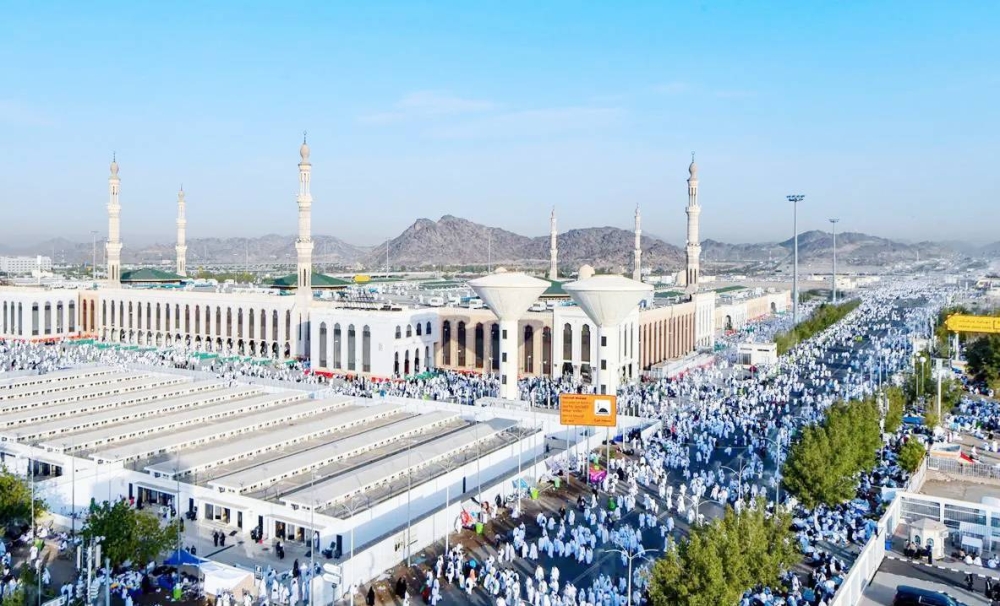
مشروعات حديثة يسرت على الحجاج أداء النسك بأمان وطمأنينة.


تابع قناة عكاظ على الواتساب
عبدالعزيز الربيعي arabiue@، إبراهيم العلوي i_waleeed22@، عبدالهادي الصويان hil5557@، (المشاعر المقدسة)
The crowds of pilgrims head to the pure plain of Arafat on the ninth of Dhul-Hijjah 1446 AH to perform the greatest pillar of Hajj, in this scene described by the Prophet -peace be upon him- as the best of days, as Muslims stand in Arafat from sunrise until sunset.
Arafat is the only site of Hajj that is located outside the sanctuary. It is a flat plain with a mountain called the Mountain of Mercy, which is 300 meters tall, and in its center stands a pillar 7 meters high. Arafat is surrounded by a crescent of mountains, with the valley of Arna at its base. It is located on the road between Mecca and Taif, about 22 kilometers east of Mecca, and 10 kilometers from Mina and 6 kilometers from Muzdalifah, covering an area of approximately 10.4 square kilometers. There are no residents in Arafat except during the days of Hajj. It is Sunnah for the pilgrim to descend at Nimrah, if possible; otherwise, they should ensure they descend within the boundaries of Arafat. There are many signs and guidance boards that clarify this, and all of Arafat is a standing place.
On this day, the pilgrim engages in the Talbiyah and remembrance, increasing their seeking of forgiveness, glorification, and declaration of faith. They turn to Allah humbly and supplicating, striving in their prayers. When the time for Dhuhr arrives, the Imam delivers a sermon of reminder, admonition, and guidance to the people, then prays Dhuhr and Asr together, shortening the prayers, and does not pray anything before, between, or after them.
It should be noted that pilgrims should avoid mistakes that waste their reward, the most prominent of which are: descending outside the boundaries of Arafat and remaining in their places until sunset before heading to Muzdalifah. This is a mistake that should not occur, as leaving Arafat before sunset is not permissible since it contradicts the actions of the Prophet -peace be upon him-. Some pilgrims crowd and push to climb the Mountain of Arafat, reach its summit, touch it, and pray there, which is an innovation that has no basis, in addition to the health and physical harms that result from this. Another mistake is facing the Mountain of Arafat during supplication; the Sunnah is to face the Qiblah while praying.
After sunset on the ninth of Dhul-Hijjah, the caravans of pilgrims head towards Muzdalifah to pray Maghrib and Isha together, shortening the prayers with one call to prayer and two Iqamahs upon their arrival. They spend the night there, engaged in Talbiyah, remembering, and thanking Allah for His grace and kindness in granting them the opportunity to witness the standing at Arafat.
The Ministry of Health Advises: Use Umbrellas
The Ministry of Health has raised the readiness of all health facilities in Arafat to provide medical care for pilgrims on the Day of Arafah to ensure the necessary health services. It emphasized taking strict measures and precautions to ensure the provision of superior medical care, with 50,000 medical and technical staff participating in the current Hajj season, the launch of 3 field hospitals, and the operation of 71 emergency points, increasing clinical capacity by 60 percent compared to the previous year.
The Ministry of Health urged pilgrims to move with umbrellas, drink enough fluids, wear comfortable walking shoes, and wear an identification bracelet indicating their medical condition, to cope with the high temperatures in Mecca and the holy sites during the season. It warned that heat strokes can lead to loss of consciousness within 10-15 minutes.
The Arafat site witnessed the inauguration of a field hospital belonging to the General Directorate of Medical Services at the Ministry of Interior, with a capacity of 100 beds. Its departments include intensive care, operations, isolation, and heat stress, supported by specialized medical, nursing, and technical staff to ensure immediate response to emergencies, in addition to telemedicine technology and a mobile field clinic equipped with the latest technologies to enhance rapid intervention and field response, along with an advanced medical capsule.
Non-Slip Rubber Pathway
Among the modern projects being developed in Arafat and Muzdalifah is the development of the "Masha'er Path," extending over an area of (170,000 m²), prepared with environmentally friendly rubber flooring over an area of (103,000 m²) to reduce temperatures, physical stress, and the risk of slipping, along with (15,000 m²) of green spaces, designated pathways for vehicles, and others for golf carts and moving vehicles. Additionally, the pathway is equipped with integrated elements of urban furniture, including (385) seating chairs, (780) water dispensers, (240) mobile phone charging units, (241) mist columns, and (12) umbrellas, along with the distribution of (70) awareness, guidance, and educational signs.
Rest areas for pilgrims have also been prepared along the pedestrian pathways between the holy sites, covering an area of (28,000 m²), which includes (60) chairs, (15) commercial kiosks, (25) mist fans, (29) umbrellas, rubber flooring over an area of (7,900 m²), and green spaces, contributing to facilitating the performance of Hajj rituals and ensuring the safety of the guests of Allah. Efforts have been made to plant around (290,000 m²) with more than (20,000) trees, and the establishment of water coolers over an area of (2,400 m²), in addition to reducing the impact of heat stress in the area of the Mountain of Mercy over an area of (196,000 m²), equipped with umbrellas over an area of (1,200 m²) and (129) mist fans to cool the climate and reduce the impact of direct sunlight on pilgrims during their movements and worship.
The Arafat site has seen shading and development over (85,000 m²) of the Namirah Mosque courtyard, shaded with (320) umbrellas and (350) mist columns, and the area has been landscaped to enrich the experience of the guests of Allah.
Arafat is the only site of Hajj that is located outside the sanctuary. It is a flat plain with a mountain called the Mountain of Mercy, which is 300 meters tall, and in its center stands a pillar 7 meters high. Arafat is surrounded by a crescent of mountains, with the valley of Arna at its base. It is located on the road between Mecca and Taif, about 22 kilometers east of Mecca, and 10 kilometers from Mina and 6 kilometers from Muzdalifah, covering an area of approximately 10.4 square kilometers. There are no residents in Arafat except during the days of Hajj. It is Sunnah for the pilgrim to descend at Nimrah, if possible; otherwise, they should ensure they descend within the boundaries of Arafat. There are many signs and guidance boards that clarify this, and all of Arafat is a standing place.
On this day, the pilgrim engages in the Talbiyah and remembrance, increasing their seeking of forgiveness, glorification, and declaration of faith. They turn to Allah humbly and supplicating, striving in their prayers. When the time for Dhuhr arrives, the Imam delivers a sermon of reminder, admonition, and guidance to the people, then prays Dhuhr and Asr together, shortening the prayers, and does not pray anything before, between, or after them.
It should be noted that pilgrims should avoid mistakes that waste their reward, the most prominent of which are: descending outside the boundaries of Arafat and remaining in their places until sunset before heading to Muzdalifah. This is a mistake that should not occur, as leaving Arafat before sunset is not permissible since it contradicts the actions of the Prophet -peace be upon him-. Some pilgrims crowd and push to climb the Mountain of Arafat, reach its summit, touch it, and pray there, which is an innovation that has no basis, in addition to the health and physical harms that result from this. Another mistake is facing the Mountain of Arafat during supplication; the Sunnah is to face the Qiblah while praying.
After sunset on the ninth of Dhul-Hijjah, the caravans of pilgrims head towards Muzdalifah to pray Maghrib and Isha together, shortening the prayers with one call to prayer and two Iqamahs upon their arrival. They spend the night there, engaged in Talbiyah, remembering, and thanking Allah for His grace and kindness in granting them the opportunity to witness the standing at Arafat.
The Ministry of Health Advises: Use Umbrellas
The Ministry of Health has raised the readiness of all health facilities in Arafat to provide medical care for pilgrims on the Day of Arafah to ensure the necessary health services. It emphasized taking strict measures and precautions to ensure the provision of superior medical care, with 50,000 medical and technical staff participating in the current Hajj season, the launch of 3 field hospitals, and the operation of 71 emergency points, increasing clinical capacity by 60 percent compared to the previous year.
The Ministry of Health urged pilgrims to move with umbrellas, drink enough fluids, wear comfortable walking shoes, and wear an identification bracelet indicating their medical condition, to cope with the high temperatures in Mecca and the holy sites during the season. It warned that heat strokes can lead to loss of consciousness within 10-15 minutes.
The Arafat site witnessed the inauguration of a field hospital belonging to the General Directorate of Medical Services at the Ministry of Interior, with a capacity of 100 beds. Its departments include intensive care, operations, isolation, and heat stress, supported by specialized medical, nursing, and technical staff to ensure immediate response to emergencies, in addition to telemedicine technology and a mobile field clinic equipped with the latest technologies to enhance rapid intervention and field response, along with an advanced medical capsule.
Non-Slip Rubber Pathway
Among the modern projects being developed in Arafat and Muzdalifah is the development of the "Masha'er Path," extending over an area of (170,000 m²), prepared with environmentally friendly rubber flooring over an area of (103,000 m²) to reduce temperatures, physical stress, and the risk of slipping, along with (15,000 m²) of green spaces, designated pathways for vehicles, and others for golf carts and moving vehicles. Additionally, the pathway is equipped with integrated elements of urban furniture, including (385) seating chairs, (780) water dispensers, (240) mobile phone charging units, (241) mist columns, and (12) umbrellas, along with the distribution of (70) awareness, guidance, and educational signs.
Rest areas for pilgrims have also been prepared along the pedestrian pathways between the holy sites, covering an area of (28,000 m²), which includes (60) chairs, (15) commercial kiosks, (25) mist fans, (29) umbrellas, rubber flooring over an area of (7,900 m²), and green spaces, contributing to facilitating the performance of Hajj rituals and ensuring the safety of the guests of Allah. Efforts have been made to plant around (290,000 m²) with more than (20,000) trees, and the establishment of water coolers over an area of (2,400 m²), in addition to reducing the impact of heat stress in the area of the Mountain of Mercy over an area of (196,000 m²), equipped with umbrellas over an area of (1,200 m²) and (129) mist fans to cool the climate and reduce the impact of direct sunlight on pilgrims during their movements and worship.
The Arafat site has seen shading and development over (85,000 m²) of the Namirah Mosque courtyard, shaded with (320) umbrellas and (350) mist columns, and the area has been landscaped to enrich the experience of the guests of Allah.