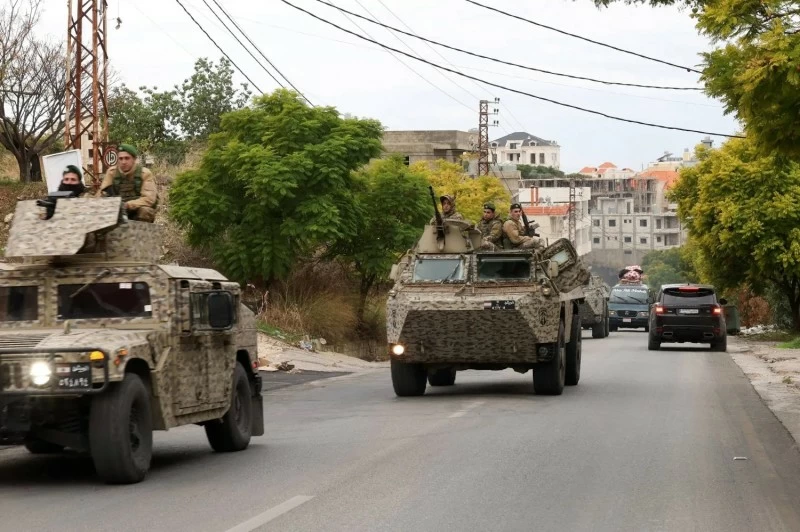
في شمال الليطاني توجد حقيقة واحدة لا تقبل الجدل: لا شيء يتحرك بلا ضغط.
المرحلة الثانية من خطة حصر السلاح لم تُطلق لأن الظروف اللبنانية نضجت فجأة، ولا لأن التباينات اختفت، بل أُطلقت لأن ميزان الضغط تصاعد إلى مستويات غير مسبوقة. هناك ضغط أمريكي يربط دعم الجيش بالنتائج على الأرض، نار إسرائيلية تهدد أبعد من الحدود يومياً، ودولة تدرك أن أي تباطؤ في التنفيذ ستكون كلفته اهتزازاً في صدقيتها وفي ثقة الخارج بها.
لكن شمال الليطاني ليس مجرد امتداد لما جرى جنوب النهر تحت إشراف قوات اليونيفيل. فالمنطقة أكبر وأكثر تعقيداً وأكثر حساسية. وفقاً للمعلومات والمعطيات هناك منشآت علنية، مخازن وأنفاق، أي أن كل خطوة عسكرية تحمل انعكاسات سياسية وأمنية، وأي خطأ صغير قد يتحول إلى ساحة اختبار للموازين الداخلية والخارجية معاً.
التباين بين الأطراف
التباين هو أول ما يلفت في هذه المرحلة. كيف يمكن لخطاب يرفض تسليم السلاح أن يتجاور مع مشاركة حكومية منضبطة؟ وكيف يمر قرار بهذه الحساسية من دون اعتراض حزب الله داخل مجلس الوزراء؟ هل نحن أمام تناقض أم أمام توزيع أدوار محسوب؟
في العلن، جاء خطاب الأمين العام لحزب الله نعيم قاسم حاسماً في رفض تسليم السلاح، لكن داخل المؤسسات بدا المشهد مختلفاً: وزراء الحزب لم يعترضوا على إعلان المرحلة الثانية من خطة حصر السلاح، ولم ينسحبوا من جلسة مجلس الوزراء التي انعقدت الأسبوع الماضي ومررت قرار الانتقال إلى شمال الليطاني. هذا الفارق ليس تفصيلاً شكلياً، بل يعكس إدارة مزدوجة للمشهد، بعدما وجد حزب الله نفسه مجبراً داخلياً وخارجياً لتمرير هذه المرحلة
في المقابل، تتحرك الدولة تحت ضغط من نوع آخر. الإعلان عن المرحلة الثانية وتحديد مهلة أربعة أشهر قابلة للتمديد يضع الجميع أمام استحقاق التنفيذ لا أمام ترف المناورة. فالدولة باتت مطالبة بإثبات أن القرار ليس بياناً سياسياً إضافياً، وأن الانتقال بين المراحل ليس مجرد ترتيب لغوي.
ضغط دولي
الضغط الدولي واضح: الولايات المتحدة ترى في المرحلة الثانية مقياس جدية الحكومة اللبنانية؛ أي تأجيل أو ترك المهلة مفتوحة بلا حسم يُفسّر كفرصة لإعادة بناء قدرات الحزب، وسيقلص الثقة وربما يعرقل الدعم العسكري والمالي للجيش، وهنا الزمن يتحول إلى عنصر ضغط أيضاً؛ كل أسبوع تأخير في إطلاق المرحلة الثانية قد يضيف مساحة رمادية لحزب الله.
في هذا الإطار، قد يضخ مؤتمر دعم الجيش اللبناني المرتقب في 5 مارس القادم زخماً إضافياً للمرحلة الثانية من خطة حصر السلاح. التمويل والدعم الدولي يعطيان الدولة غطاءً إضافياً ويزيدان من القدرة على تنفيذ الخطوات الميدانية، لكنهما لا يلغيان تعقيدات الواقع على الأرض أو التهديدات الإسرائيلية. وأي تأجيل يبقى محفوفاً بالمخاطر، ما يجعل الحسم السياسي أكثر إلحاحاً من أي وقت مضى.
الاعتداءات الإسرائيلية
إسرائيل بدورها ليست مجرد مراقب. الضربات المتصاعدة، عمليات الاغتيال، رفع حالة التأهب والاستطلاع اليومي، كلها تشكل خطراً مستمراً، يفرض على الدولة اللبنانية عدم ترك أي فراغ استراتيجي. فأي تباطؤ ميداني أو سياسي قد يتحول مباشرة إلى إعادة ترتيب للقوة.
أما الواقع فيشير إلى أن الجيش اللبناني ورغم المهلة التي حددها؛ إلا أنه سينفذ ما يطُلب منه ضمن حدود الإمكانات المتاحة، فهو لا يملك قراراً سياسياً كافياً للانتقال إلى مرحلة مختلفة من التحرك، الانتشار، أو نقل أي سلاح، لأنه يحتاج إلى غطاء سياسي واضح ونهائي، لذلك قد تبقى كل خطوة داخل شمال الليطاني مجرد تحرك تكتيكي، لا استراتيجي، وكأنك تحرك قطع شطرنج على لوحة لا تعرف نهاية المباراة فيها.
المعادلة النهائية للمرحلة الثانية: الجيش يمتلك خطة بلا مهلة زمنية أو غطاء سياسي كامل، المجتمع الدولي يمتلك أدوات الضغط، إسرائيل تمتلك القوة النارية، لكن لا شيء من هذا يكفي من دون حسم سياسي كامل.
هذا هو الاختبار الحقيقي: ليس في الانتشار، ولا في ضبط الإيقاع، بل في إعلان نهاية واضحة لمسار السلاح.
In the north of the Litani, there is one undeniable truth: nothing moves without pressure.
The second phase of the arms control plan was not launched because the Lebanese circumstances suddenly matured, nor because the differences disappeared, but it was launched because the balance of pressure rose to unprecedented levels. There is American pressure linking support for the army to results on the ground, Israeli fire threatening beyond the borders daily, and a state that realizes that any delay in implementation will cost it a loss of credibility and trust from abroad.
However, the north of the Litani is not merely an extension of what happened south of the river under the supervision of UNIFIL forces. The area is larger, more complex, and more sensitive. According to information and data, there are public facilities, warehouses, and tunnels, meaning that every military step carries political and security implications, and any small mistake could turn into a testing ground for both internal and external balances.
The Divergence Between the Parties
The divergence is the first thing that stands out at this stage. How can a discourse that refuses to hand over arms coexist with disciplined government participation? How can a decision of such sensitivity pass without Hezbollah's objection within the Cabinet? Are we facing a contradiction or a calculated distribution of roles?
Publicly, Hezbollah's Secretary-General Naeem Qassem's speech was decisive in rejecting the handover of arms, but within the institutions, the scene appeared different: the party's ministers did not object to the announcement of the second phase of the arms control plan, nor did they withdraw from the Cabinet session that took place last week and passed the decision to move to the north of the Litani. This difference is not a mere formal detail; it reflects a dual management of the scene, after Hezbollah found itself internally and externally compelled to pass this phase.
In contrast, the state is moving under a different kind of pressure. The announcement of the second phase and the setting of a four-month deadline, which can be extended, puts everyone before the obligation of implementation, not the luxury of maneuvering. The state is now required to prove that the decision is not just an additional political statement, and that the transition between phases is not merely a linguistic arrangement.
International Pressure
The international pressure is clear: the United States sees the second phase as a measure of the seriousness of the Lebanese government; any postponement or leaving the deadline open without resolution is interpreted as an opportunity to rebuild the party's capabilities, which will reduce trust and possibly hinder military and financial support for the army, and here time also becomes an element of pressure; every week of delay in launching the second phase could add a gray area for Hezbollah.
In this context, the upcoming conference to support the Lebanese army on March 5 may provide additional momentum for the second phase of the arms control plan. Funding and international support give the state additional cover and increase its ability to implement field steps, but they do not eliminate the complexities of the reality on the ground or the Israeli threats. Any delay remains fraught with risks, making political resolution more urgent than ever.
Israeli Aggressions
Israel, for its part, is not just an observer. The escalating strikes, assassination operations, heightened alert status, and daily reconnaissance all pose a continuous threat, forcing the Lebanese state not to leave any strategic vacuum. Any field or political delay could directly lead to a rearrangement of power.
The reality indicates that the Lebanese army, despite the deadline it has set, will implement what is required of it within the limits of available capabilities; it does not have sufficient political decision-making to move to a different phase of action, deployment, or transferring any weapons, because it needs clear and final political cover. Therefore, every step within the north of the Litani may remain merely a tactical move, not a strategic one, as if you are moving chess pieces on a board where you do not know the end of the game.
The final equation for the second phase: the army has a plan without a time limit or complete political cover, the international community has pressure tools, Israel has firepower, but none of this is sufficient without complete political resolution.
This is the real test: not in deployment, nor in controlling the rhythm, but in declaring a clear end to the arms trajectory.