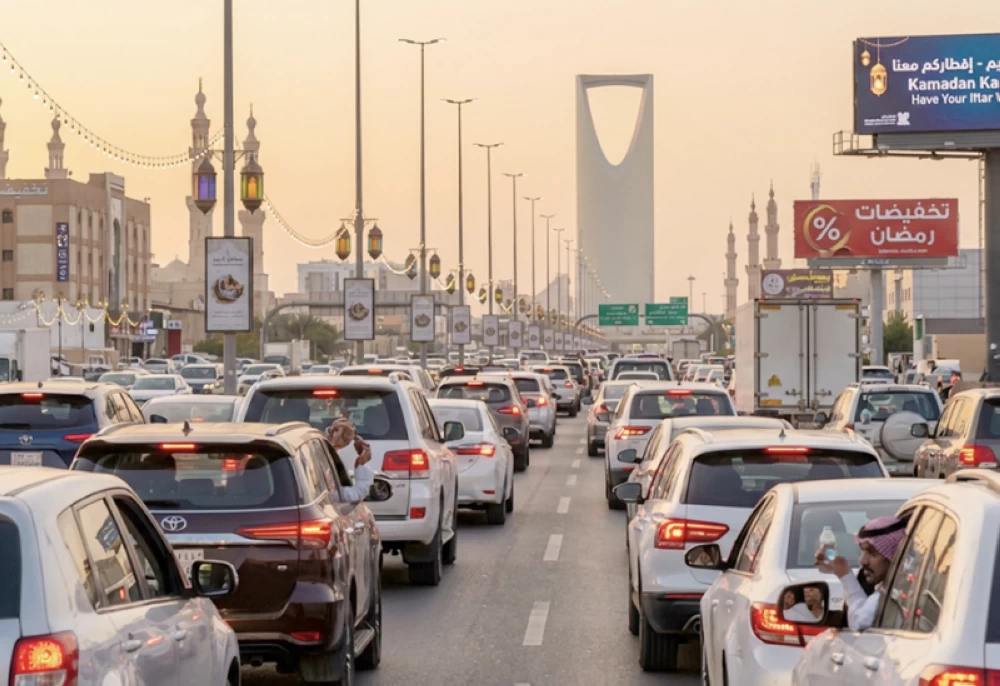
مع اقتراب ساعات العصر في رمضان، تتجلّى الأجواء الروحانية التي تمنح هذا الشهر طابعه المميز، إلَّا أن هذه السكينة سرعان ما تهتز كلما اقترب موعد الإفطار. ففي الدقائق الأخيرة وقبل الأذان، ترتفع وتيرة التوتر لدى بعض الصائمين، فتتحول المواقف البسيطة إلى خلافات قد تتطور أحياناً إلى اشتباكات، وكأن اللحظات التي يُفترض أن تكون ذروة الهدوء أصبحت اختباراً حقيقياً لقدرة الإنسان على ضبط نفسه.
ويواجه كثير من الصائمين صعوبة في التحكم بانفعالاتهم، فيعزون ذلك إلى الجوع أو الإرهاق، بينما يشير المختصون إلى أن المسألة أعمق من هذه التفسيرات السطحية. فهناك عوامل جسدية ونفسية تتداخل معاً؛ أبرزها انخفاض مستوى السكر في الدم، تراكم الضغوط اليومية، الانقطاع المفاجئ عن التدخين، إضافة إلى الازدحام الشديد الذي يسبق الإفطار. وتؤكد الإحصاءات ارتفاع معدل المشاجرات في هذا التوقيت تحديداً، إذ يتسابق الجميع للوصول إلى منازلهم، فيزداد الاحتكاك وتتسع دائرة الخلافات.
ولا تقف آثار هذه المشادات عند حدود التوتر اللحظي، فقد تتطور إلى قضايا جنائية أو إصابات تستدعي تدخل الجهات الأمنية أو المستشفيات، بينما ينتهي بعضها الآخر بندم لا ينفع بعد وقوع الأذى أو تلف الممتلكات، وربما التوقيف أو السجن. ويحذر المختصون من أن الاستعجال والارتباك في اللحظات الأخيرة قبيل الإفطار يلعبان دوراً أكبر في تفاقم هذه السلوكيات من الصيام ذاته.
ومع ذلك، تبقى روحانية رمضان حاضرة لمن يختار التمسُّك بها، فالصوم ليس مجرد امتناع عن الطعام والشراب، بل هو تدريب يومي على الصبر وضبط النفس، خصوصاً في اللحظات التي تختبر فيها الأعصاب إلى أقصى حدودها.
تعويد النفس على الصبر والهدوء
أكد استشاري الطب النفسي الدكتور جمال الطويرقي، أن هناك من يستطيع التحكم في نفسه والتحلي بالصبر والعفو والتسامح، فيحافظ على صومه وروحانية الشهر، بينما يعجز آخرون عن السيطرة على انفعالاتهم، فيلجؤون إلى العصبية والصراخ وربما الشجار. وأضاف أن الغضب لدى الصائم يؤدي إلى ارتفاع كبير في مستوى الأدرينالين قد يصل إلى 20 أو 30 ضعفاً عن معدله الطبيعي، ما يشكل خطراً على صحة الفرد، إذ قد يتسبب في نوبات قلبية أو موت مفاجئ لدى الأشخاص المهيئين لذلك.
وبيّن الطويرقي أن انخفاض السكر في الدم يزيد من قابلية الصائم للانفعال، لذا من المهم تعويد النفس على الهدوء وتجنُّب الخروج في أوقات الذروة لمن لا يستطيع التحكم في غضبه. كما نصح بإنجاز المستلزمات في وقت مبكر أو التوجه إلى الوجهة المطلوبة قبل الازدحام لتفادي التوتر والمشاجرات والحوادث.
الصيام ليس مبرراً للشجار
من جانبه، شدد أستاذ الدعوة والإصلاح الدكتور محمد بشير حداد، على أن الصيام لا يُعد مبرراً لوقوع المشاجرات أو الحوادث في رمضان، فالمسلم الحق يصوم عن الطعام والشراب كما تصوم جوارحه عن المعاصي، ويتدرب على ضبط النفس والصبر. وأضاف أن رمضان فرصة عظيمة للتسامح والتعاون بين أفراد المجتمع، وأن الانفعالات والمشاجرات تُفسد هذه الأجواء وتؤثر سلباً على روحانية الشهر.
ودعا حداد إلى تجنب السلوكيات التي قد تؤدي إلى المشاجرات، وابتغاء الأجر من الله تعالى، مؤكداً أن الدين شدد على حفظ الأنفس وعدم الإضرار بالآخرين مهما كانت الأسباب، وأن هناك طرقاً نظامية وقانونية لاسترداد الحقوق دون اللجوء إلى العنف.
العقوبة تختلف حسب نوع الضرب
أوضحت المحامية والمستشارة القانونية نجود القاسم، أن عقوبات المشاجرات تختلف باختلاف نوع الاعتداء، سواء كان ضرباً على الوجه أو ركلة باليد أو القدم، أو استخدام سلاح أبيض أو ناري، إضافة إلى وجود اعتداء جسدي أو لفظي. وترجع العقوبة إلى مقدار الضرر الواقع على المجني عليه.
وأضافت أنه في الحالات التي تتجاوز فيها مدة الشفاء 15 يوماً تتحول القضية من جنحة إلى جناية، ما يغيّر طبيعة العقوبة. كما ينظر القضاء إلى حجم الضرر والأدوات المستخدمة ومدة الشفاء عند إصدار الحكم. وأكدت أن العقوبة تقديرية وتعود للقاضي، وقد تشمل السجن أو الجلد أو الغرامة أو جميعها، خاصة إذا كان هناك تهديد للأمن العام.
وحذرت القاسم من أن بعض المشاجرات قد تصل إلى القتل أو إحداث أضرار جسيمة، وقد تندرج تحت أحكام القتل شبه العمد، وهو ما يحدث عندما يتسبب الجاني في وفاة شخص دون قصد؛ نتيجة خطأ أو تهور أو نوبة غضب.
As the hours of the afternoon approach during Ramadan, the spiritual atmosphere that gives this month its unique character becomes evident. However, this tranquility is quickly disrupted as the time for iftar approaches. In the final minutes before the call to prayer, the tension among some fasting individuals rises, turning simple situations into disputes that can sometimes escalate into confrontations, as if the moments that are supposed to be the peak of calm have become a true test of a person's ability to control themselves.
Many fasting individuals face difficulty in controlling their emotions, attributing this to hunger or fatigue, while specialists indicate that the issue is deeper than these superficial explanations. There are physical and psychological factors that intertwine; the most prominent of which are low blood sugar levels, the accumulation of daily stresses, sudden cessation of smoking, in addition to the heavy congestion that precedes iftar. Statistics confirm an increase in the rate of altercations at this specific time, as everyone races to get home, leading to increased friction and a widening circle of disputes.
The effects of these altercations do not stop at momentary tension; they can escalate into criminal cases or injuries that require intervention from security forces or hospitals, while others may end in regret that is of no use after harm has been done or property has been damaged, and possibly even detention or imprisonment. Specialists warn that haste and confusion in the final moments before iftar play a larger role in exacerbating these behaviors than the act of fasting itself.
Nevertheless, the spirituality of Ramadan remains present for those who choose to hold onto it, as fasting is not merely abstaining from food and drink, but a daily training on patience and self-control, especially in moments that test nerves to their limits.
Training the Self for Patience and Calm
Psychiatry consultant Dr. Jamal Al-Tuwairqi confirmed that some individuals can control themselves and exhibit patience, forgiveness, and tolerance, thus maintaining their fast and the spirituality of the month, while others struggle to manage their emotions, resorting to irritability, shouting, and possibly fighting. He added that anger among those fasting leads to a significant increase in adrenaline levels, which can reach 20 or 30 times their normal rate, posing a danger to an individual's health, as it may cause heart attacks or sudden death in predisposed individuals.
Al-Tuwairqi indicated that low blood sugar increases the susceptibility of fasting individuals to emotional outbursts, so it is important to train oneself to remain calm and avoid going out during peak times for those who cannot control their anger. He also advised completing necessary tasks early or heading to the desired destination before congestion to avoid tension, disputes, and accidents.
Fasting is Not an Excuse for Fighting
For his part, Dr. Muhammad Bashir Haddad, a professor of advocacy and reform, emphasized that fasting is not an excuse for fights or incidents during Ramadan. A true Muslim fasts from food and drink just as their limbs abstain from sins, training themselves on self-control and patience. He added that Ramadan is a great opportunity for forgiveness and cooperation among community members, and that emotions and fights spoil this atmosphere and negatively affect the spirituality of the month.
Haddad called for avoiding behaviors that may lead to disputes and seeking reward from Allah Almighty, affirming that religion emphasizes the preservation of lives and not harming others regardless of the reasons, and that there are lawful and legal ways to reclaim rights without resorting to violence.
Punishment Varies According to the Type of Assault
Lawyer and legal consultant Najood Al-Qasem explained that the penalties for altercations vary depending on the type of assault, whether it is a slap to the face, a kick with the hand or foot, or the use of a white or firearm, in addition to whether there is physical or verbal assault. The penalty corresponds to the extent of the harm inflicted on the victim.
She added that in cases where the healing period exceeds 15 days, the case shifts from a misdemeanor to a felony, which changes the nature of the punishment. The judiciary also considers the extent of the damage, the tools used, and the healing period when issuing a ruling. She confirmed that the punishment is discretionary and up to the judge, and may include imprisonment, flogging, fines, or all of them, especially if there is a threat to public safety.
Al-Qasem warned that some altercations may escalate to murder or cause serious harm, and may fall under the provisions of semi-intentional homicide, which occurs when the perpetrator causes the death of a person unintentionally due to a mistake, recklessness, or a fit of anger.