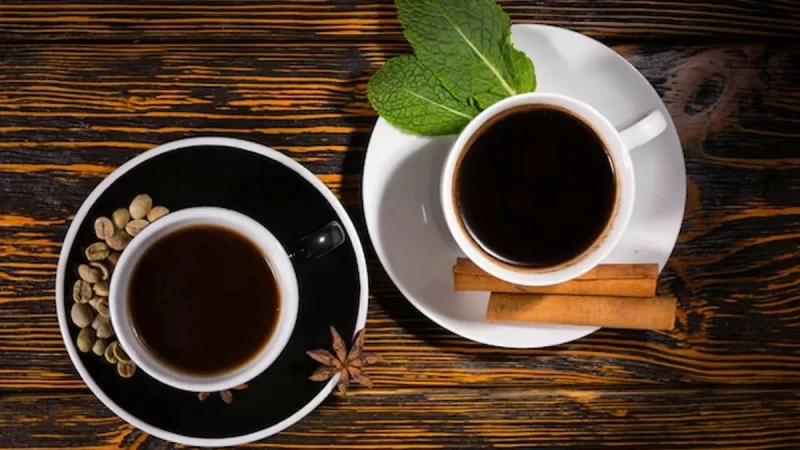
عند بدء رحلة إنقاص الوزن لا يقتصر الاهتمام على نوعية الطعام فقط، بل يمتد أيضاً إلى المشروبات اليومية، خصوصاً تلك التي يبدأ بها الكثيرون صباحهم، فبينما يفضل البعض القهوة السوداء دون سكر أو حليب، يتجه آخرون إلى الشاي الأسود حتى يخسر وزنه سريعاً لكن أيهما أفضل فعلاً لدعم فقدان الوزن؟
هل تساعد القهوة السوداء على إنقاص الوزن؟
وفقاً لموقع only my health، تُعد القهوة السوداء مشروباً منخفض السعرات الحرارية عند تناولها دون إضافات، كما تحتوي على نسبة مرتفعة من الكافيين مقارنة بالشاي الأسود، ويساهم الكافيين في رفع معدل الأيض بشكل طفيف، ما يساعد الجسم على حرق مزيد من السعرات الحرارية لفترة مؤقتة.
كما قد تمنح القهوة دفعة قوية من الطاقة وتساعد في تقليل الشهية، وهو ما قد يدعم بعض الأشخاص في تناول كميات أقل من الطعام خلال اليوم. وتشير دراسات حديثة إلى أن القهوة قد تلعب دوراً في تقليل تراكم الدهون من خلال تأثيرها على ميكروبات الأمعاء، وتنظيم بعض البروتينات المسؤولة عن تكوين الدهون داخل الخلايا، إضافة إلى احتمال تثبيط نمو الخلايا الدهنية.
ومع ذلك، فإن الإفراط في تناول القهوة قد يؤدي إلى القلق أو الحموضة أو اضطرابات النوم، وهو ما قد يؤثر سلباً على جهود إنقاص الوزن، خصوصاً أن قلة النوم ترتبط ببطء فقدان الدهون.
هل يدعم الشاي الأسود فقدان الوزن؟
يُصنع الشاي الأسود من أوراق نبات الكاميليا الصينية، ويحتوي على مضادات أكسدة تُعرف بالبوليفينولات، التي قد تساعد في دعم عملية استقلاب الدهون وتحسين صحة الأمعاء، كما يحتوي على نسبة أقل من الكافيين مقارنة بالقهوة، ما يمنح طاقة أكثر اعتدالاً واستقراراً دون التسبب في توتر ملحوظ لدى معظم الأشخاص.
ويعتبر البعض الشاي الأسود أكثر لطفاً على المعدة وأقل تسبباً في الحموضة مقارنة بالقهوة، رغم أن الإفراط في تناوله قد يؤدي إلى انزعاج خفيف لدى بعض الأشخاص الحساسين.
أيهما أفضل القهوة أم الشاي؟
عند المقارنة بين القهوة السوداء والشاي الأسود، يؤكد الخبراء أن كليهما قد يساهم في دعم إنقاص الوزن، ولكن بشرط أساسي، وهو دمجهما ضمن نظام غذائي متوازن مع ممارسة النشاط البدني بانتظام، فلا يمكن لأي مشروب بمفرده أن يؤدي إلى فقدان ملحوظ للدهون.
وتظل الأفضلية مسألة فردية تعتمد على طبيعة الجسم وتحمله للكافيين، ومدى تأثير كل مشروب على الشهية والنوم والجهاز الهضمي، لذا فإن الاعتدال والاختيار وفقاً لاحتياجات الجسم يظلان العامل الأهم في رحلة فقدان الوزن.
When starting a weight loss journey, the focus is not only on the quality of food but also extends to daily beverages, especially those that many begin their mornings with. While some prefer black coffee without sugar or milk, others turn to black tea to lose weight quickly. But which one is actually better for supporting weight loss?
Does black coffee help with weight loss?
According to the website only my health, black coffee is a low-calorie beverage when consumed without additives, and it contains a higher caffeine content compared to black tea. Caffeine contributes to a slight increase in metabolic rate, helping the body burn more calories temporarily.
Additionally, coffee may provide a strong energy boost and help reduce appetite, which may support some individuals in consuming less food throughout the day. Recent studies suggest that coffee may play a role in reducing fat accumulation by affecting gut microbes and regulating certain proteins responsible for fat formation within cells, along with the potential to inhibit the growth of fat cells.
However, excessive coffee consumption may lead to anxiety, acidity, or sleep disturbances, which could negatively impact weight loss efforts, especially since lack of sleep is associated with slower fat loss.
Does black tea support weight loss?
Black tea is made from the leaves of the Chinese camellia plant and contains antioxidants known as polyphenols, which may help support fat metabolism and improve gut health. It also has a lower caffeine content compared to coffee, providing a more moderate and stable energy boost without causing noticeable stress in most individuals.
Some consider black tea to be gentler on the stomach and less likely to cause acidity compared to coffee, although excessive consumption may lead to mild discomfort in some sensitive individuals.
Which is better, coffee or tea?
When comparing black coffee and black tea, experts confirm that both can contribute to supporting weight loss, but with one essential condition: they should be incorporated into a balanced diet along with regular physical activity. No beverage alone can lead to significant fat loss.
The preference remains a personal matter that depends on individual body types and tolerance to caffeine, as well as how each beverage affects appetite, sleep, and the digestive system. Therefore, moderation and choosing according to the body's needs remain the most important factors in the weight loss journey.