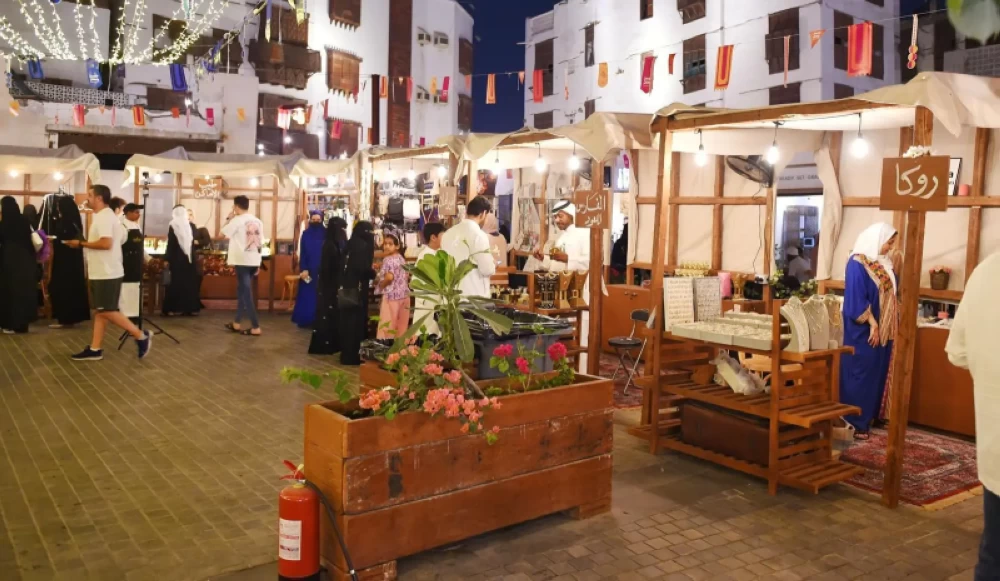
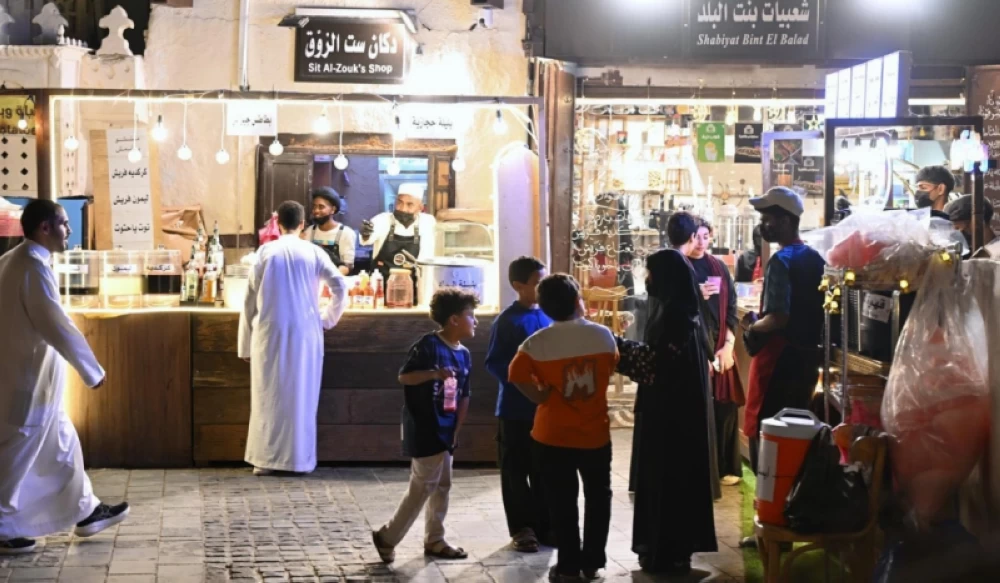
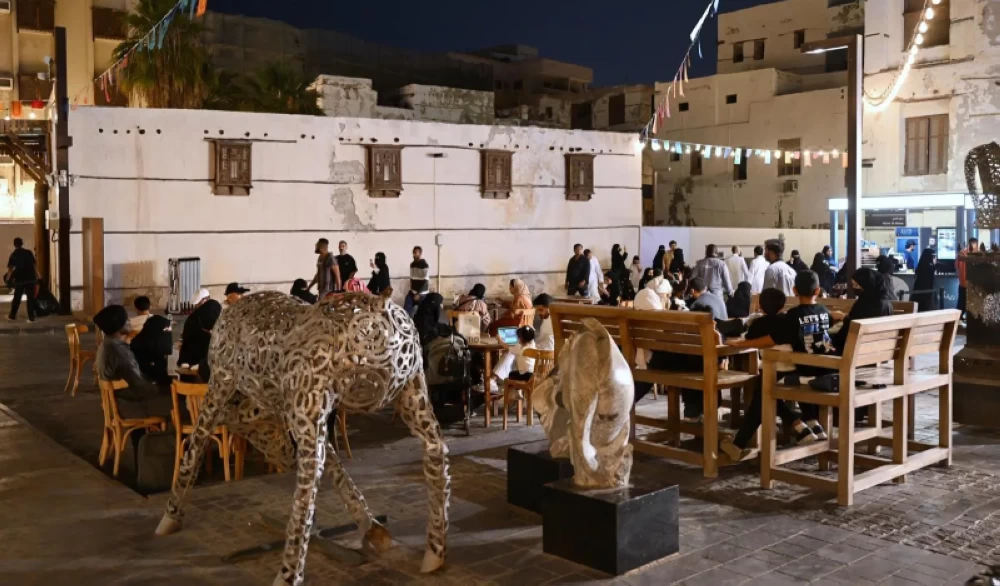
في مشهد رمضاني لا يخلو من الطرافة والدهشة، تحوّلت بعض نجمات مواقع التواصل إلى بائعات في بسطات شعبية في جدة.
فبينما كانت العدسات بالأمس تلاحق حقائب بمبالغ فلكية، تلاحق اليوم «قدر بليلة» يغلي، وصحن بطاطس يخرج من الزيت.
المفارقة لا تكمن في البيع، فالتجارة شرف، بل في القفزة السريعة من «لايف ستايل فاخر» إلى «ريالين زيادة لو سمحتي». فجأة، اختفت السيارات الفارهة من القصص اليومية، وحلّ محلها صوت: «حارة زيادة؟ صوص زيادة؟».
قبل أشهر، كانت بعض الحسابات تشرح الفرق بين درجات الجلد الإيطالي، واليوم تشرح الفرق بين بليلة سادة وبليلة بالليمون. من «لوك المساء» إلى «خلطة الشطة السرية». يبدو أن السوق الرمضانية أكثر استقرارًا من سوق الإعلانات.
هل هو استثمار موسمي ذكي؟ ربما. هل هو محاولة للظهور بصورة أقرب للناس؟ وارد. لكن السؤال الذي يهم المتابع: أين ذهبت كل مظاهر الثراء التي كانت تُعرض وكأنها واقع دائم لا يهتز؟
اقتصاد الشهرة، كما يبدو، لا يُقاس بعدد المتابعين فقط. الإعلانات تتغير، التفاعل يتراجع، والمنصات لا تعترف بالماضي. لذلك قد تكون البسطة الصغيرة أكثر أمانًا من «كود خصم» مؤقت.
الطريف أن الجمهور نفسه الذي كان يصفّق لمشاهد التسوق الفاخر، يقف الآن في الطابور لشراء بطاطس من اليد ذاتها. المشهد يحمل شيئًا من الكوميديا: نجومية رقمية تبيع على الرصيف، وعدسة توثّق كل لحظة وكأنها حملة جديدة.
ليبقى السؤال: هل سقط القناع؟ سؤال يتردد لا بدافع السخرية بل بدافع الدهشة. فحين تنتقل الصورة فجأة من «حياة ترف مثالية»، إلى بسطة تبحث عن زبائن في ليلة مزدحمة، يحق للجمهور أن يتساءل: هل ما كان يُعرض طوال الوقت حقيقة كاملة أم مشهدًا مُعدًّا بعناية.
في النهاية، لا أحد يعترض على العمل، لكن البسطات هذا العام لم تبع بليلة فقط، بل كشفت هشاشة الصورة المصقولة. وبين «ماركة عالمية» و«صحن بطاطس»، سقطت الفكرة القديمة: أن الثراء على الشاشة يعني ثراء في الواقع.
In a Ramadan scene filled with humor and surprise, some social media stars have turned into vendors at popular stalls in Jeddah.
While cameras were yesterday chasing bags worth astronomical amounts, today they are following a boiling "bowl of barley" and a plate of fries coming out of the oil.
The irony lies not in the selling, as trade is honorable, but in the quick leap from "luxurious lifestyle" to "two riyals extra, please." Suddenly, luxury cars have disappeared from daily stories, replaced by the sounds of: "Extra sauce? Extra spice?"
Months ago, some accounts were explaining the difference between grades of Italian leather, and today they are explaining the difference between plain barley and barley with lemon. From "evening look" to "secret chili mix." It seems that the Ramadan market is more stable than the advertising market.
Is it a smart seasonal investment? Perhaps. Is it an attempt to appear closer to the people? Possible. But the question that matters to the followers is: Where have all the signs of wealth gone that were presented as a permanent, unshakable reality?
The economy of fame, it seems, is not measured by the number of followers alone. Advertisements change, engagement declines, and platforms do not recognize the past. Therefore, a small stall might be safer than a temporary "discount code."
Interestingly, the same audience that was applauding scenes of luxurious shopping is now lining up to buy fries from the same hand. The scene carries a touch of comedy: digital stardom selling on the sidewalk, and a lens documenting every moment as if it were a new campaign.
So the question remains: Has the mask fallen? This question resonates not out of mockery but out of astonishment. When the image suddenly shifts from "a life of ideal luxury" to a stall seeking customers on a busy night, the audience has the right to wonder: Was what was presented all along a complete truth or a carefully crafted scene?
In the end, no one objects to working, but this year the stalls did not just sell barley; they revealed the fragility of the polished image. Between "global brand" and "plate of fries," the old idea fell: that wealth on screen means wealth in reality.