سجّلت شركة كاسبرسكي نموًا سنويًا بنسبة 16% في السوق السعودي خلال عام 2024، مدفوعة بتزايد الطلب على حلول الأمن السيبراني المتقدمة.
وأكد مدير عام كاسبرسكي في السعودية والبحرين محمد هاشم، أن كاسبرسكي تعمل منذ أكثر من 18 عامًا على ترسيخ حضورها في المملكة من خلال مقرها الإقليمي في الرياض، والاستثمار في الكفاءات الوطنية والبنية التحتية المحلية.
وأشار هاشم إلى أن أولويات كاسبرسكي تتماشى مع رؤية المملكة 2030، إذ تركز على تعزيز نضج منظومة الأمن السيبراني، ودعم التحول الرقمي، ورفع مرونة القطاعات الحيوية، بالتعاون مع الجهات الحكومية المعنية.
وفيما يخص أبرز التحديات، لفت إلى تنامي التهديدات مثل هجمات الفدية والتصيد والتزييف العميق المدعوم بالذكاء الاصطناعي. لكنه نوّه بأن المملكة سجّلت أدنى نسبة تأثر بتهديدات الويب على مستوى المنطقة خلال الربع الأول من 2025، بنسبة 11% فقط.
وأكد أن كاسبرسكي تساعد الشركات السعودية عبر حلول متكاملة تشمل استخبارات التهديدات، وتصميم الأنظمة الآمنة، وخدمات محلية للاستجابة للحوادث، بما يلبّي خصوصية البيئة السعودية.
وأوضح هاشم أن الشركة تتعاون مع الاتحاد السعودي للأمن السيبراني والبرمجة والطائرات المسيّرة (SAFCSP)، إلى جانب جهات تنظيمية أخرى، لتعزيز تبادل المعرفة وتمكين المؤسسات محليًا، مستفيدة من خبرتها العالمية في مواجهة التهديدات الإلكترونية المعقدة.
وبشأن المستقبل، أشار إلى أن مشهد التهديدات سيتأثر بشكل كبير بتقنيات الذكاء الاصطناعي، وسلاسل التوريد، وإنترنت الأشياء، والجيل الخامس، والحوسبة الكمومية. وتستعد كاسبرسكي لهذه التحولات عبر تعزيز البحث والتطوير، خاصة في تقنيات المناعة الرقمية المصممة لمواكبة التهديدات المستقبلية.
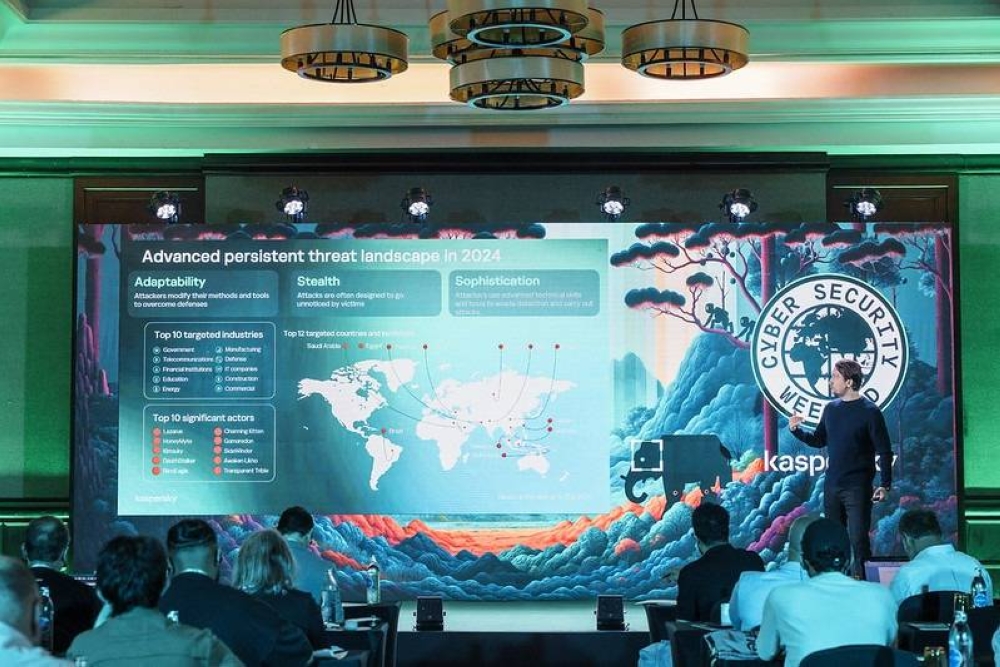
كما قدّم فريق البحث والتحليل العالمي لدى كاسبرسكي خلال الملتقى السنوي العاشر للأمن السيبراني في منطقة الشرق الأوسط وتركيا وإفريقيا (META)، تقريراً شاملاً عن أبرز اتجاهات التهديدات السيبرانية في المنطقة، مسلطًا الضوء على التحديات المتزايدة المرتبطة ببرمجيات الفدية، والتهديدات المتقدمة المستمرة (APT)، وهجمات سلسلة التوريد، وتهديدات الأجهزة المحمولة، بالإضافة إلى تطورات الذكاء الاصطناعي وإنترنت الأشياء.
وأكدت الشركة استمرار رصدها لـ 25 مجموعة تهديد نشطة في المنطقة، من بينها SideWinder وOrigami Elephant وMuddyWater، مع تزايد في استخدام تقنيات التخفي واستغلال الأجهزة المحمولة.
وأظهرت بيانات الربع الأول من 2025 أن تركيا وكينيا سجلتا أعلى معدلات التأثر بتهديدات الويب، بينما سجلت المملكة العربية السعودية أدنى نسبة تأثر في المنطقة.
كما بيّن التقرير أن برمجيات الفدية لا تزال من أخطر التهديدات الإلكترونية، حيث ارتفعت نسبة المتأثرين بها عالميًا إلى 0.44%، وبلغت في الشرق الأوسط 0.72%، وفي إفريقيا 0.41%، وفي تركيا 0.46%. وتُعطي المجموعات الإجرامية أولوية للهجمات الدقيقة على أهداف ذات قيمة عالية.
وسلط التقرير الضوء على مجموعات جديدة مثل FunkSec، التي تعتمد على الذكاء الاصطناعي في تطوير برمجيات الفدية وتستخدم أساليب الابتزاز المزدوج. كما توقّع تطورًا في طرق الهجوم خلال عام 2025 عبر استغلال أجهزة إنترنت الأشياء، والمعدات الذكية، ونقاط الدخول المهملة.
وأوضح رئيس كاسبرسكي لمنطقة META وآسيا والمحيط الهادئ سيرجي لوجكين، أن مؤسسات المنطقة تحتاج إلى تبني إستراتيجيات دفاع متعددة الطبقات، تشمل التحديث المستمر، والنسخ الاحتياطية غير المتصلة، والتعليم المتخصص، والاستفادة من معلومات التهديدات الحديثة.
وأوصت كاسبرسكي باستخدام أدوات متقدمة مثل Kaspersky Anti-Ransomware Tool for Business المجانية، ومنتجات Kaspersky Next التي توفر حماية شاملة واستجابة موسعة تناسب جميع أحجام المؤسسات وقطاعاتها.
Kaspersky recorded a 16% annual growth in the Saudi market during 2024, driven by the increasing demand for advanced cybersecurity solutions.
The General Manager of Kaspersky in Saudi Arabia and Bahrain, Mohammed Hashem, confirmed that Kaspersky has been working for over 18 years to establish its presence in the Kingdom through its regional headquarters in Riyadh, investing in national competencies and local infrastructure.
Hashem pointed out that Kaspersky's priorities align with the Kingdom's Vision 2030, focusing on enhancing the maturity of the cybersecurity ecosystem, supporting digital transformation, and increasing the resilience of vital sectors, in collaboration with relevant government entities.
Regarding the main challenges, he highlighted the rise of threats such as ransomware attacks, phishing, and deepfakes supported by artificial intelligence. However, he noted that the Kingdom recorded the lowest impact rate from web threats in the region during the first quarter of 2025, at only 11%.
He confirmed that Kaspersky assists Saudi companies through integrated solutions that include threat intelligence, secure system design, and local incident response services, catering to the specific needs of the Saudi environment.
Hashem explained that the company collaborates with the Saudi Federation for Cybersecurity, Programming, and Drones (SAFCSP), along with other regulatory bodies, to enhance knowledge sharing and empower local institutions, leveraging its global expertise in combating complex cyber threats.
Looking to the future, he indicated that the threat landscape will be significantly influenced by artificial intelligence technologies, supply chains, the Internet of Things, fifth-generation technology, and quantum computing. Kaspersky is preparing for these transformations by enhancing research and development, particularly in digital immunity technologies designed to keep pace with future threats.
The global research and analysis team at Kaspersky presented a comprehensive report during the tenth annual cybersecurity forum in the Middle East, Turkey, and Africa (META), highlighting the key trends in cyber threats in the region, focusing on the increasing challenges associated with ransomware, advanced persistent threats (APT), supply chain attacks, and mobile threats, as well as developments in artificial intelligence and the Internet of Things.
The company confirmed its ongoing monitoring of 25 active threat groups in the region, including SideWinder, Origami Elephant, and MuddyWater, with an increase in the use of evasion techniques and exploitation of mobile devices.
Data from the first quarter of 2025 showed that Turkey and Kenya recorded the highest rates of impact from web threats, while the Kingdom of Saudi Arabia recorded the lowest impact rate in the region.
The report also indicated that ransomware remains one of the most dangerous cyber threats, with the global impact rate rising to 0.44%, reaching 0.72% in the Middle East, 0.41% in Africa, and 0.46% in Turkey. Criminal groups prioritize precise attacks on high-value targets.
The report highlighted new groups such as FunkSec, which relies on artificial intelligence to develop ransomware and employs double extortion methods. It also predicted an evolution in attack methods during 2025 by exploiting Internet of Things devices, smart equipment, and neglected entry points.
Sergey Logkin, Head of Kaspersky for the META region and Asia-Pacific, explained that institutions in the region need to adopt multi-layered defense strategies, including continuous updates, offline backups, specialized training, and leveraging up-to-date threat intelligence.
Kaspersky recommended the use of advanced tools such as the free Kaspersky Anti-Ransomware Tool for Business and Kaspersky Next products, which provide comprehensive protection and extended response suitable for organizations of all sizes and sectors.