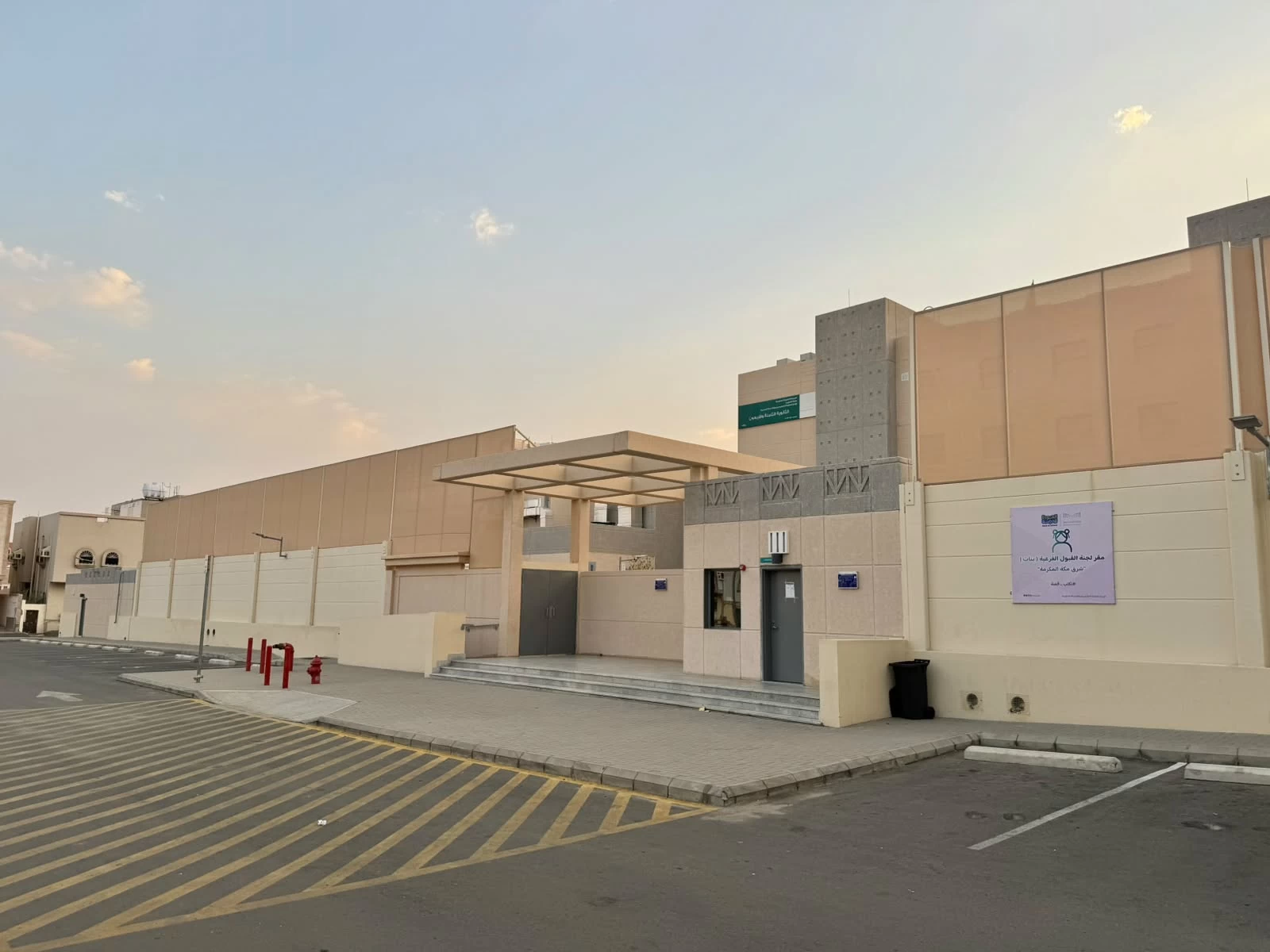
طالب عدد من أولياء أمور الطلاب والطالبات عبر «عكاظ» وزارة التعليم بمراعاة أعداد الطلبة في المدارس الحكومية، أسوة بالمدارس التي تشرف عليها شركة تطوير، الذراع التنفيذي للوزارة. وأوضحوا أن تحديد أعداد الفصول بنحو 30 طالباً وطالبة يتيح للمعلمين مساحة أكبر للمتابعة، مقارنة بالكثافة المرتفعة في بعض المدارس الحكومية.
تقنين أعداد الطلاب
وقال محمد القثامي، وأحمد الحربي، وخالد سعد لـ«عكاظ»: «إن أعداد الطلاب في مدارس «تطوير» محددة بنحو 30 طالباً وطالبة، بينما تشهد بعض المدارس الحكومية كثافة مرتفعة داخل الفصول، ما ينعكس على العملية التعليمية وأعمال المتابعة». وبينوا أن تقنين أعداد الطلاب يتيح متابعة المتعثرين في اكتساب المهارات المحددة في المنهج، ويساعد المعلمين والمعلمات على تطبيق استراتيجيات التعلم بصورة أفضل، مطالبين بالتوسع في إنشاء المدارس الجديدة بما يواكب أعداد الطلاب ويحد من الكثافة الصفية.
جودة التعليم
سعد المطرفي.
وأكد الأكاديمي المتخصص في الإدارة التربوية والتخطيط الدكتور سعد المطرفي أن توحيد الكثافة الصفية يعد أحد المداخل المهمة لتحسين جودة التعليم؛ إذ يتيح الفصل الأقل ازدحاماً تفاعلاً فردياً أكبر، ومتابعة مستمرة، وتنويعاً في استراتيجيات التدريس، واكتشاف الفروق الفردية، وتحسين إدارة الصف والحد من المشتتات السلوكية. وذكر أن تجربة مدارس التطوير يمكن الاستفادة منها في مدارس التعليم العام، لكن بعد تقييم نتائجها ودراسة أثر الكثافة الصفية في جودة التعليم، مع مراعاة اختلاف المراحل الدراسية والتخصصات والكثافة السكانية، إلى جانب التوازن بين جودة التعلم وسلامة البيئة المدرسية وكفاءة الإنفاق والطاقة الاستيعابية.
تكدس ودروس خصوصية
عمر الصاعدي.
من جانبه، رأى التربوي المتقاعد عمر فراج الصاعدي أن التفاوت في أعداد الطلاب بين مدارس تطوير والمدارس الحكومية الأكثر تكدساً ينعكس سلباً على جودة التعليم ومخرجاته؛ بسبب تشتت الطلاب وارتفاع الضوضاء وصعوبة ضبط الصف. وأشار إلى أن كثافة الفصول وضعف الاستيعاب الدراسي من العوامل التي قد تدفع بعض الطلاب إلى الدروس الخصوصية، ما يزيد الأعباء المالية على أولياء الأمور، لافتاً إلى أهمية تقارب أعداد الطلاب في المدارس لضمان تكافؤ الفرص التعليمية والإثرائية والأنشطة الصفية واللاصفية.
A number of parents of students have called through "Okaz" for the Ministry of Education to consider the number of students in public schools, similar to the schools overseen by the Development Company, the ministry's executive arm. They explained that limiting class sizes to about 30 students allows teachers more space for follow-up, compared to the high density in some public schools.
Regulating Student Numbers
Mohammed Al-Quthami, Ahmed Al-Harbi, and Khalid Saad told "Okaz": "The number of students in 'Development' schools is limited to about 30 students, while some public schools experience high density in classrooms, which reflects on the educational process and follow-up activities." They indicated that regulating student numbers allows for better monitoring of those struggling to acquire the skills outlined in the curriculum, and helps teachers implement learning strategies more effectively, calling for an expansion in the establishment of new schools to keep pace with student numbers and reduce classroom density.
Quality of Education
سعد المطرفي.
Dr. Saad Al-Mutrafi, an academic specialized in educational administration and planning, confirmed that standardizing classroom density is one of the important approaches to improving the quality of education; as a less crowded classroom allows for greater individual interaction, continuous follow-up, a variety of teaching strategies, the discovery of individual differences, and improved classroom management while reducing behavioral distractions. He mentioned that the experience of Development schools can be beneficial for public education schools, but only after evaluating their results and studying the impact of classroom density on the quality of education, taking into account the differences in educational stages, specializations, and population density, alongside balancing the quality of learning, the safety of the school environment, and the efficiency of spending and capacity.
Crowding and Private Lessons
عمر الصاعدي.
For his part, retired educator Omar Faraj Al-Saadi viewed the disparity in student numbers between Development schools and the more crowded public schools as negatively impacting the quality of education and its outcomes; due to student distraction, increased noise, and difficulty in classroom management. He pointed out that classroom density and weak academic comprehension are factors that may drive some students to seek private lessons, which increases the financial burden on parents, emphasizing the importance of aligning student numbers in schools to ensure equal educational and enrichment opportunities, as well as extracurricular activities.