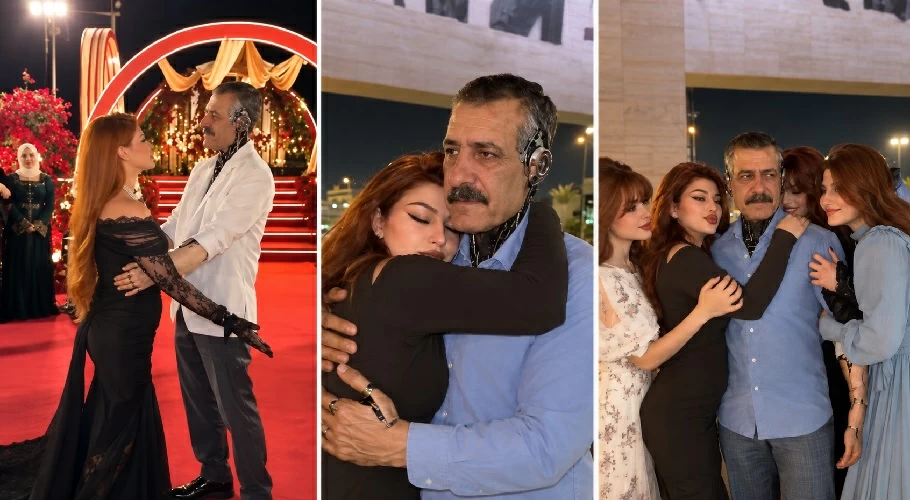
أثار مقطع مصوّر ضجة واسعة على منصات التواصل في العراق بعدما ظهر فيه مشهد لفتاة تُدعى (عشتار) ترقص مع والدها المتوفى، في لقطة بدت وكأن الأب عاد للحياة على هيئة (روبوت) ليشارك ابنته لحظة زفافها.
وانتشر الفيديو بسرعة لافتة وسط تعليقات متأثرة اعتبرته حدثًا إنسانيًا غير مسبوق. لكن سرعان ما تبيّن أن المشهد بالكامل من إنتاج الذكاء الاصطناعي، وأن الشخصيتين مجرد نماذج افتراضية صُنعت ملامحها بدقة عالية؛ ما جعل كثيرين يظنون أن الواقعة حقيقية.
وزاد من قوة التفاعل أن الفيديو احتوى على لقطات عاطفية مصممة لتبدو كأنها جزء من قصة مؤثرة.
وتزامن انتشار المقطع مع الجدل الدائر حول شريحة (نيورالينك) التي أعلن عنها إيلون ماسك، والتي ربطتها الشائعات بإمكانية (إحياء الموتى)، رغم أن وظيفتها الطبية تقتصر على مساعدة فاقدي البصر والمشلولين عبر تحفيز الإشارات العصبية، ولا علاقة لها بإعادة الحياة.
وبحسب المعلقين، أظهر هذا المثال كيف يمكن للتقنيات الحديثة أن تلامس أكثر المشاعر الإنسانية حساسية، مؤكدين ضرورة التعامل بحذر مع المحتوى الرقمي وتمييز الابتكار الطبي الحقيقي عن خيالات الذكاء الاصطناعي.
A video clip has caused a wide stir on social media in Iraq after it featured a scene of a girl named (Ishtar) dancing with her deceased father, in a shot that seemed as if the father had returned to life in the form of a (robot) to share his daughter's wedding moment.
The video quickly went viral amid emotional comments that considered it an unprecedented humanitarian event. However, it soon became clear that the entire scene was produced by artificial intelligence, and that the two characters were merely virtual models whose features were crafted with high precision; this led many to believe that the incident was real.
The emotional footage further intensified the interaction, designed to appear as part of a touching story.
The spread of the clip coincided with the ongoing debate surrounding the (Neuralink) chip announced by Elon Musk, which rumors have linked to the possibility of (reviving the dead), even though its medical function is limited to assisting the visually impaired and paralyzed individuals by stimulating neural signals, and has no relation to bringing life back.
According to commentators, this example demonstrated how modern technologies can touch the most sensitive human emotions, emphasizing the need to handle digital content with caution and to distinguish genuine medical innovation from the fantasies of artificial intelligence.