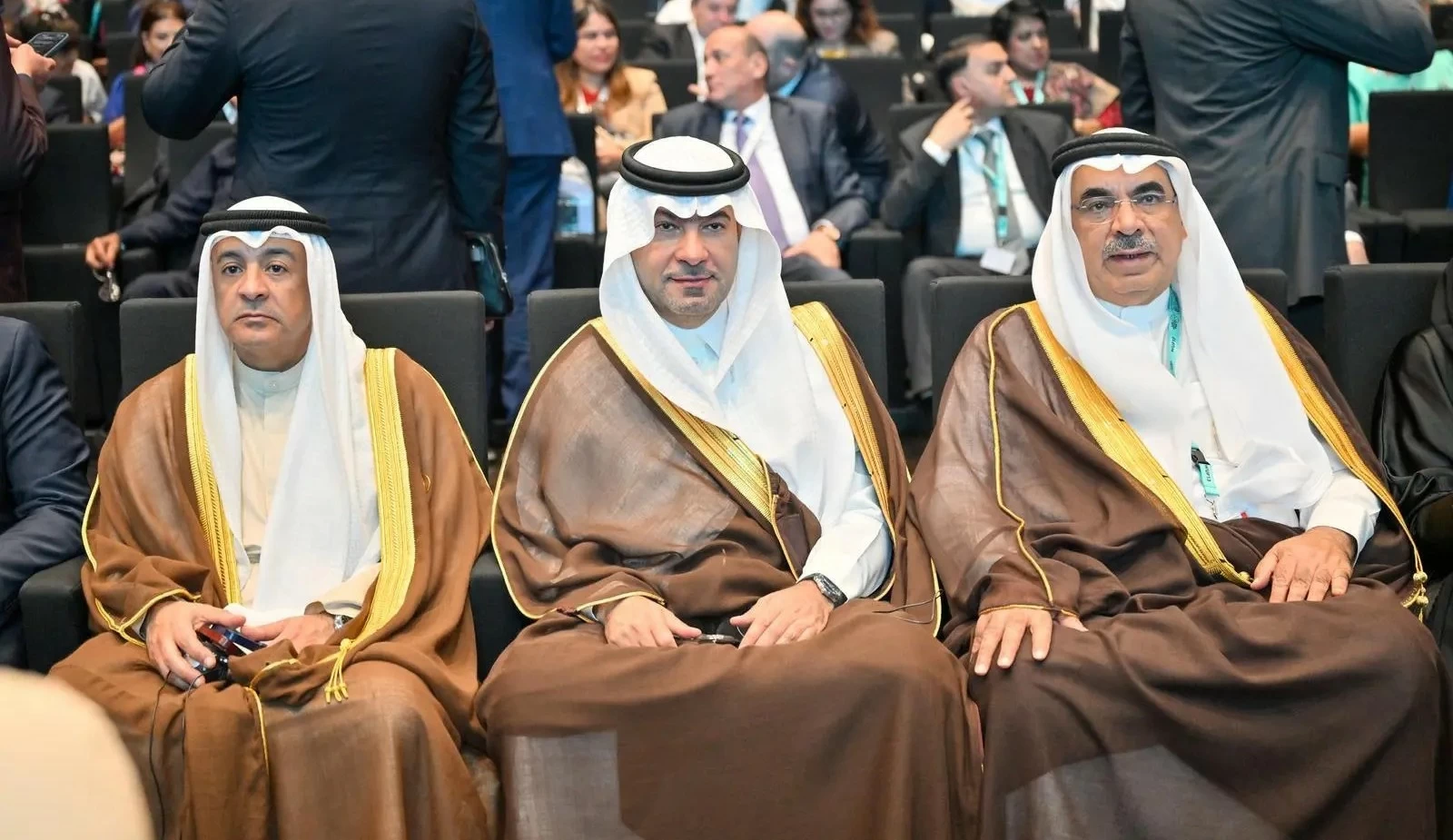
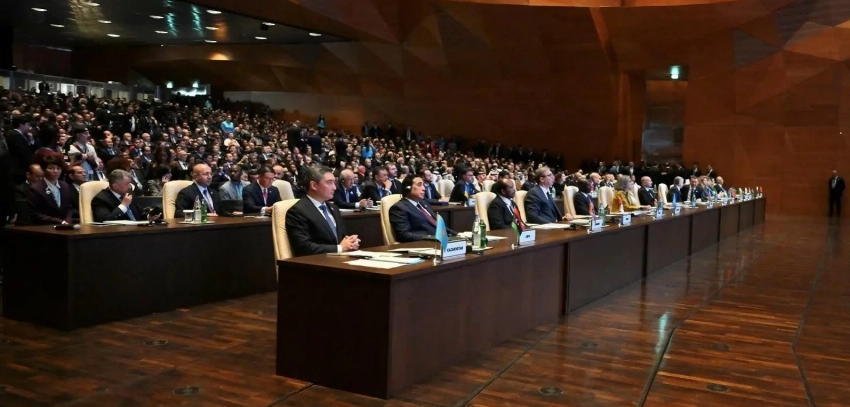
نيابةً عن خادم الحرمين الشريفين الملك سلمان بن عبدالعزيز آل سعود، وولي العهد رئيس مجلس الوزراء الأمير محمد بن سلمان بن عبدالعزيز آل سعود، ترأس وزير البلديات والإسكان ماجد الحقيل وفد المملكة في الاجتماع الرئاسي للدول المشاركة في المنتدى الحضري العالمي الثالث عشر، الذي ينظمه برنامج الأمم المتحدة للمستوطنات البشرية في مدينة باكو، بمشاركة واسعة من قادة الدول والمسؤولين والخبراء والمنظمات الدولية المعنية بالتنمية الحضرية المستدامة.
وأكد الحقيل أن المملكة العربية السعودية تشهد تحولًا حضريًا غير مسبوق تقوده رؤية المملكة 2030، جعل من جودة الحياة والاستدامة محورين رئيسيين في التنمية الحضرية، بما يسهم في بناء مدن أكثر شمولية واستدامة وارتباطًا بالإنسان.
وأوضح وزير البلديات والإسكان أن المملكة لا تعمل على تطوير المدن فحسب، بل تعيد صياغة مفهوم المدينة نفسها، عبر تبني نماذج حضرية حديثة توازن بين التنمية الاقتصادية والاستدامة وجودة الحياة، مشيرًا إلى أن ما تشهده المدن السعودية اليوم يمثل تحولًا وطنيًا شاملًا يعيد تعريف العلاقة بين الإنسان والمكان.
وبيّن أن المملكة حققت منجزات نوعية في القطاع الحضري والإسكاني، من أبرزها ارتفاع نسبة تملك المساكن إلى أكثر من 66%، إلى جانب توفير حلول وبرامج سكنية وتنموية استفاد منها أكثر من مليون أسرة، بما في ذلك برامج الإسكان التنموي التي أسهمت في تمكين الأسر المستحقة من تملك مساكنها وتعزيز استقرارها الاجتماعي والاقتصادي.
وأشار إلى أن المملكة وضعت الإنسان في قلب التنمية الحضرية، من خلال تعزيز الوصولية الحضرية وإعادة تصميم المدن لتكون أكثر حيوية وأمانًا وجودةً للحياة، إضافة إلى إطلاق 19 طرازًا معماريًا تعكس الهوية العمرانية السعودية وتحافظ على الطابع الثقافي للمدن مع مواكبة التطور الحضري الحديث.
وأكد أن المملكة تمضي قدمًا في بناء مدن المستقبل عبر تبني مفاهيم المدن الذكية والاستفادة من التقنيات والبيانات المتقدمة، مبينًا أن أكثر من 8 مدن سعودية سُجلت ضمن مؤشر IMD للمدن الذكية، فيما انضمت 16 مدينة سعودية إلى مبادرة المدن الصحية، ضمن جهود متكاملة لرفع جودة الحياة وتحقيق الاستدامة الحضرية.
وشدد الحقيل على أهمية تعزيز الشراكات الدولية وتبادل الخبرات والمعرفة لبناء مدن أكثر قدرة على مواجهة التحديات المستقبلية، مؤكدًا أن تجربة المملكة في التنمية الحضرية تمثل نموذجًا متقدمًا يرتكز على الإنسان والهوية والاستدامة.
يُذكر أن المنتدى الحضري العالمي الثالث عشر يُعد أحد أبرز المحافل الدولية المعنية بمستقبل المدن والتنمية الحضرية المستدامة، ويجمع قادة الحكومات والمنظمات الدولية وصناع القرار والخبراء من مختلف دول العالم؛ لمناقشة التحديات والحلول المرتبطة بالتخطيط الحضري والتنمية المستدامة.
On behalf of the Custodian of the Two Holy Mosques, King Salman bin Abdulaziz Al Saud, and the Crown Prince, Prime Minister Prince Mohammed bin Salman bin Abdulaziz Al Saud, Minister of Municipal and Rural Affairs and Housing Majid Al-Hoqail chaired the Kingdom's delegation at the presidential meeting of the participating countries in the 13th World Urban Forum, organized by the United Nations Human Settlements Programme in Baku, with wide participation from leaders of countries, officials, experts, and international organizations concerned with sustainable urban development.
Al-Hoqail affirmed that the Kingdom of Saudi Arabia is witnessing an unprecedented urban transformation led by Vision 2030, which has made quality of life and sustainability two main pillars in urban development, contributing to the creation of more inclusive, sustainable cities that are connected to people.
The Minister of Municipal and Rural Affairs and Housing explained that the Kingdom is not only working on developing cities but is also redefining the concept of the city itself, by adopting modern urban models that balance economic development, sustainability, and quality of life, noting that what Saudi cities are experiencing today represents a comprehensive national transformation that redefines the relationship between people and place.
He indicated that the Kingdom has achieved qualitative accomplishments in the urban and housing sector, the most notable of which is the increase in home ownership rates to over 66%, in addition to providing housing and developmental solutions and programs that have benefited more than one million families, including developmental housing programs that have empowered deserving families to own their homes and enhance their social and economic stability.
He pointed out that the Kingdom has placed people at the heart of urban development, by enhancing urban accessibility and redesigning cities to be more vibrant, safe, and of higher quality of life, in addition to launching 19 architectural styles that reflect Saudi architectural identity and preserve the cultural character of cities while keeping pace with modern urban development.
He affirmed that the Kingdom is moving forward in building the cities of the future by adopting smart city concepts and leveraging advanced technologies and data, noting that more than 8 Saudi cities have been registered in the IMD Smart Cities Index, while 16 Saudi cities have joined the Healthy Cities Initiative, as part of integrated efforts to enhance quality of life and achieve urban sustainability.
Al-Hoqail emphasized the importance of enhancing international partnerships and exchanging experiences and knowledge to build cities that are more capable of facing future challenges, affirming that the Kingdom's experience in urban development represents an advanced model based on people, identity, and sustainability.
It is worth mentioning that the 13th World Urban Forum is one of the most prominent international platforms concerned with the future of cities and sustainable urban development, bringing together government leaders, international organizations, decision-makers, and experts from various countries around the world to discuss challenges and solutions related to urban planning and sustainable development.