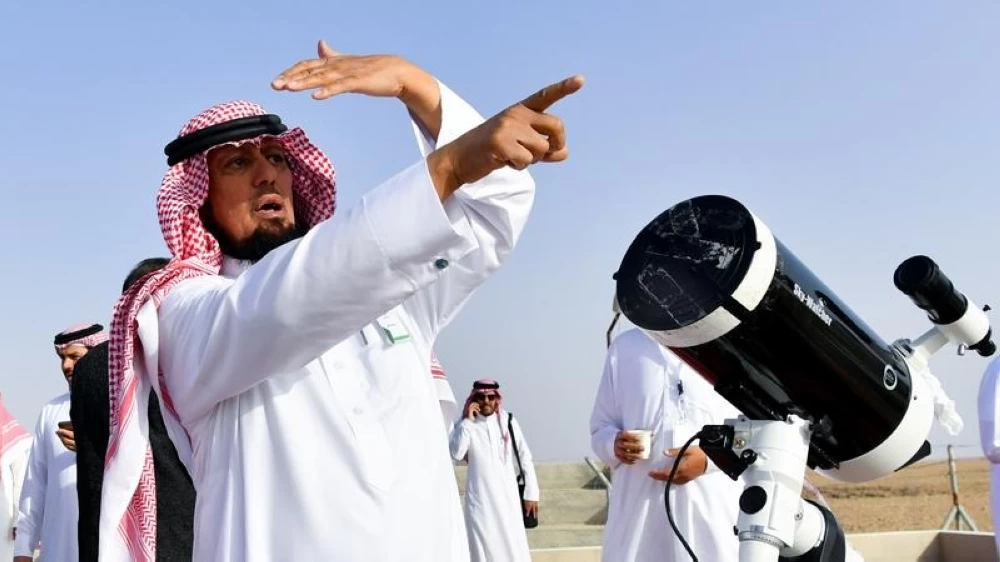
تتجه الأنظار قبل مغرب اليوم (الأحد) إلى الأفق البعيد تحرياً لرؤية هلال ذي الحجة طبقاً للدعوة التي وجهتها المحكمة العليا السعودية إلى «عموم المسلمين» في جميع المناطق؛ الأمر الذي يحفز كل من له القدرة على الترائي بالمشاركة سواء بالعين المجردة أو بواسطة المناظير. وربطت المحكمة دعوتها الى «العموم» بإبلاغ أقرب محكمة وتسجيل شهاداتهم، أو التواصل مع أقرب مركز رسمي لتسهيل إجراءات الإبلاغ.
وبعيدا عن لجان الترائي المعتمدة رسمياً في مدن السعودية يقف عدد من أصحاب القدرة على اعتلاء التلال العالية للظفر بالرؤية احتساباً للأجر.
مع التقنيات التي جعلت كل شي ناء وبعيد تحت مرمى البصر، أضحى الترائي اليوم في يد أجهزة رصد عالية التقنية تخترق الفضاءات والضباب والسحب الماطرة كما الحال في «تمير» أحد أكبر مراصد الأهلة في السعودية، والذي تأسس في 1436هـ بإشراف من البلدية، إذ يشارك المرصد مع بقية المراصد في المهمة. ويعود الترائي في «تمير» إلى القرن العشرين، إذ اعتاد أهلها على تحرّي الشهور القمرية من مواقع مرتفعة قبل انتشار الإضاءة الحديثة، ومن العائلات الشهيرة في هذا النشاط عائلة «البرغش» ممن عرفوا بحدة البصر.
بعد عشرات السنوات تم إنشاء مقر المرصد الحديث في تمير وتحديداً في 2015 والذي يتولى تحري أهلة رمضان وشوال وذي الحجة، ويتساءل الكثيرون عن سر اختيار موقع المرصد في مدينة تمير، وتأتي الإجابة: لوقوعه في أطراف البلدة فوق ربوة مرتفعة تضمن أفضلية الترائي بلا عوائق، إذ يتميز المكان بطبيعة صخرية مرتفعة، قليلة الأتربة ما يوفر أفقًا غربيًا صافياً لتحرّي الهلال، كما أن أضواء المدينة تقع خلف المرصد فلا تؤثر على مجال الرؤية الأمامي، إذ يبلغ ارتفاع مرصد تمير نحو 680 مترًا فوق مستوى سطح البحر ما جعله موقعًا مثاليًا لإنشاء المرصد من الناحية الفلكية.
ومع «تمير» تتشارك عدة مراصد في مهمة التحري مثل مرصد مكة المكرمة في برج الساعة، المزود بأحدث التقنيات، ثم مرصد سدير في منطقة حوطة سدير على ارتفاع يتجاوز 900 متر فوق سطح البحر، والذي يتميز بصفاء سمائه وخلوه من التلوث، إلى جانب مرصد الظهران الذي يُستخدم في الأبحاث الفلكية.
عالمياً، على اختلاف مهماتها، تنشط بعض المراصد في البحث الفلكي واكتشاف الفضاء، مثل مرصد «أتاكاما» في تشيلي الذي يُعد أعلى مرصد فلكي في العالم، إذ يرتفع عن سطح البحر نحو 5640 متراً، ما يمنحه قدرات دقيقة لاستكشاف الكون، ثم مرصد «بارانال» في صحراء أتاكاما بتشيلي، ويُدير أقوى التلسكوبات البصرية في العالم إلى جانب مرصد «مونا كيا» في هاواي، وهو موطن لعدد من أكبر تلسكوبات العالم البصرية والأشعة تحت الحمراء بسبب موقعه المثالي فوق السحاب.
ومع تعدد المراصد.. تبقى «تمير» قبل مغرب اليوم وجهة عموم المسلمين في العالم استشرافاً لهلال ذي الحجة.
Before sunset today (Sunday), attention is directed to the distant horizon in search of the Dhul-Hijjah crescent, according to the invitation issued by the Saudi Supreme Court to "all Muslims" in all regions; a call that encourages anyone capable of sighting the moon to participate, whether by the naked eye or through telescopes. The court linked its invitation to the "public" with notifying the nearest court and recording their testimonies, or contacting the nearest official center to facilitate the reporting procedures.
Far from the officially recognized moon sighting committees in Saudi cities, a number of individuals capable of climbing high hills stand ready to achieve the sighting, counting on the reward.
With technologies that have made everything distant and far within sight, moon sighting today is in the hands of high-tech monitoring devices that penetrate spaces, fog, and rain clouds, as is the case in "Tamir," one of the largest moon observation sites in Saudi Arabia, which was established in 1436 AH under the supervision of the municipality. The observatory participates with other observatories in this mission. Moon sighting in "Tamir" dates back to the twentieth century, as its residents were accustomed to searching for lunar months from elevated locations before modern lighting spread. Among the well-known families in this activity is the "Al-Barghash" family, known for their keen eyesight.
After decades, a modern observatory was established in Tamir, specifically in 2015, which is responsible for sighting the crescents of Ramadan, Shawwal, and Dhul-Hijjah. Many wonder about the reason for choosing the observatory's location in the city of Tamir, and the answer is: it is located on the outskirts of the town on a high hill that ensures optimal sighting without obstacles. The place is characterized by high rocky terrain, with little dust, providing a clear western horizon for moon sighting. Additionally, the city lights are located behind the observatory, so they do not affect the forward field of vision, as the height of the Tamir Observatory is about 680 meters above sea level, making it an ideal site for establishing the observatory from an astronomical perspective.
Alongside "Tamir," several observatories share the mission of moon sighting, such as the Mecca Observatory in the Clock Tower, equipped with the latest technologies, and then the Sudair Observatory in the Hota Sudair area, which is over 900 meters above sea level and is known for its clear skies and lack of pollution, in addition to the Dhahran Observatory, which is used for astronomical research.
Globally, despite their different missions, some observatories are active in astronomical research and space discovery, such as the "Atacama" Observatory in Chile, which is considered the highest astronomical observatory in the world, rising about 5640 meters above sea level, granting it precise capabilities for exploring the universe. Then there is the "Paranal" Observatory in the Atacama Desert in Chile, which operates the most powerful optical telescopes in the world, alongside the "Mauna Kea" Observatory in Hawaii, home to several of the largest optical and infrared telescopes in the world due to its ideal location above the clouds.
With the multitude of observatories, "Tamir" remains the destination for all Muslims around the world before sunset today, in anticipation of the Dhul-Hijjah crescent.