نوه وكيل جامعة الملك سعود للدراسات العليا والبحث العلمي الدكتور يزيد بن عبدالملك آل الشيخ بجائزة المهندس طارق القصبي للتميز في الهندسة المدنية ودورها في دعم البحث الابتكاري في هذا المجال الحيوي المهم.
وأكد أن معاييرها وضوابطها العالية تعكس دقة الاختيار وحرص القائمين على الجائزة على تتويج فائزين يمثلون قمة الناتج الوطني في منظومة البحث والتطوير الهندسي.
وأشار آل الشيخ إلى فخر جامعة الملك سعود باحتضان هذه الجائزة، معتبراً إياها قمة الوفاء من أحد خريجي الجامعة المتميزين، وهو المهندس طارق بن عثمان القصبي، ومبادرة نوعية تسهم في تعزيز ثقافة الابتكار البحثي ودعم المخرجات العلمية ذات الأثر التنموي.
وأعرب آل الشيخ عن أمله في أن تتمكن الجامعة مستقبلاً من توفير الممكنات الداعمة للفائزين بالجائزة بما يساعدهم على مواصلة أبحاثهم واستثمارها ضمن إمكانات الجامعة البحثية والعلمية.
جاء ذلك في تصريحات صحفية عقب رعايته أمس (الخميس)، نيابة عن مدير جامعة الملك سعود، حفل جائزة المهندس طارق القصبي للتميز في الهندسة المدنية، الذي أقيم بقاعة الدرعية بمقر الجامعة في مدينة الرياض، بحضور نخبة من الأكاديميين والباحثين والمتخصصين.
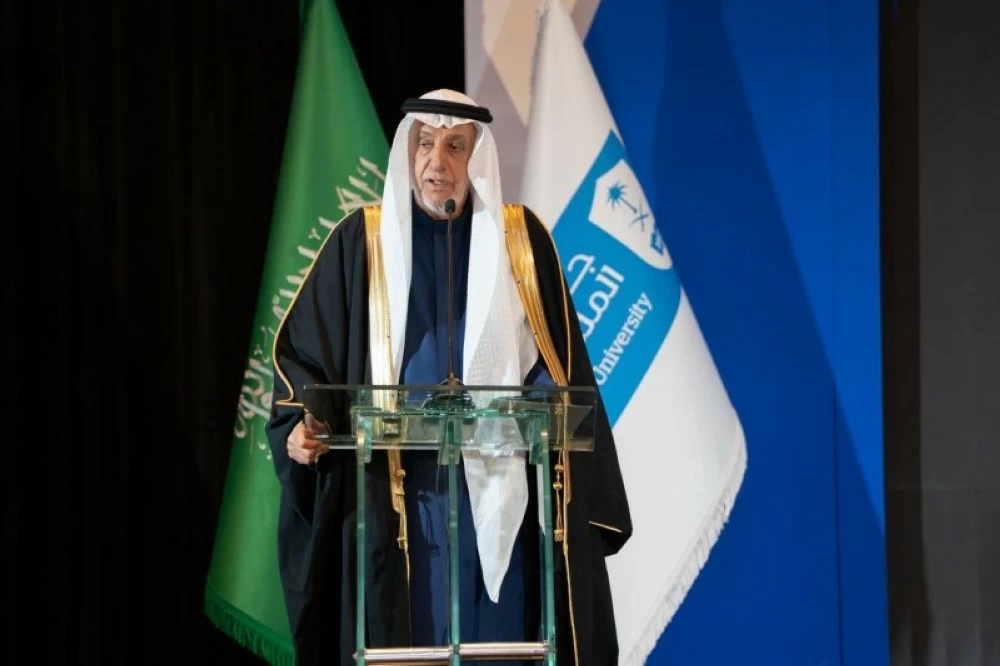
من جهته، قال مؤسس الجائزة المهندس طارق القصبي في كلمة له خلال الحفل إن الاحتفاء بمرور 10 أعوام على هذه الجوائز البحثية يأتي تأكيداً للإيمان منذ انطلاقتها بدور الهندسة والبحث العلمي في صناعة المستقبل، موضحاً أن المبادرة بدأت بحلم بسيط يتمثل في منح البحث العلمي مكانته المستحقة ودعم الباحثين والباحثات ووضع الهندسة والابتكار في قلب مسار التنمية. وأشار إلى أن الجائزة استقبلت خلال هذه السنوات 516 بحثاً علمياً، فاز منها 38 بحثاً، بما يعكس حجم الجهد المبذول والطموح العلمي المتراكم.
وأكد القصبي أن البحث والابتكار يشكلان محوراً رئيسياً في رؤية السعودية 2030 التي جسدت دعم الدولة لمنظومة الابتكار وتمكين الجامعات وتحفيز الباحثين، لافتاً إلى ما تحقق من نقلة نوعية في منظومة البحث والتطوير تمثلت في ارتفاع الإنفاق ونمو عدد المشتغلين وتحسن الجودة والتأثير العلمي، ما عزز مكانة المملكة إقليمياً وقدرتها على المنافسة عالمياً نتيجة رؤية واضحة واستثمار طويل المدى في الإنسان والمعرفة والبنية التحتية البحثية.
وأضاف القصبي أن البحث العلمي والابتكار لم يعودا ترفاً فكرياً بل أصبحا من أهم محركات اقتصاد الدول، مستشهداً بتجذر البحث والابتكار في الحضارة الإسلامية، حيث كان العلماء رواداً في تأسيس علوم الهندسة والفلك والطب والرياضيات.
من ناحيته، أوضح رئيس اللجنة العلمية للجائزة رئيس قسم الهندسة المدنية بجامعة الملك سعود الدكتور علي بن سعيد القرني أن الجائزة تأتي منسجمة مع مستهدفات رؤية السعودية 2030 التي جعلت البحث العلمي والابتكار ركيزة أساسية للتنمية المستدامة، لاسيما في قطاع الهندسة المدنية المرتبط مباشرة بمشاريع البنية التحتية الوطنية.
وبين القرني أن الدورة العاشرة للجائزة شهدت تقدماً كمياً ونوعياً غير مسبوق، حيث بلغ عدد الأبحاث المقدمة 101 بحث، تم قبول 86 بحثاً منها بعد استيفاء الشروط، فيما جرى ترشيح 30 بحثاً لمرحلة التحكيم الخارجي قبل اختيار 7 أبحاث فائزة تمثل تخصصات الهندسة المدنية السبعة، مشيراً إلى أن عدد المشاركات هو الأعلى منذ انطلاق الجائزة عام 2015 مقارنة بنحو 14 بحثاً فقط في دورتها الأولى.
وقال القرني: إن أبحاث أعضاء هيئة التدريس شكلت 63% من إجمالي المشاركات بعدد 68 بحثاً، فيما بلغت مشاركة طلاب الدراسات العليا 25%، والباحثين 12%، بمشاركات من 20 جامعة سعودية، إضافة إلى جامعات من المملكة المتحدة والولايات المتحدة الأمريكية.
وأشار إلى تطوير لوائح الجائزة ومعايير التحكيم ورفع قيمة الجائزة إلى 245 ألف ريال، موزعة بالتساوي على تخصصات الهندسة المدنية، مؤكداً أن جميع مراحل التقييم خضعت لتحكيم علمي دقيق بمشاركة خبراء من داخل المملكة وخارجها بما يعزز النزاهة وجودة المخرجات البحثية.
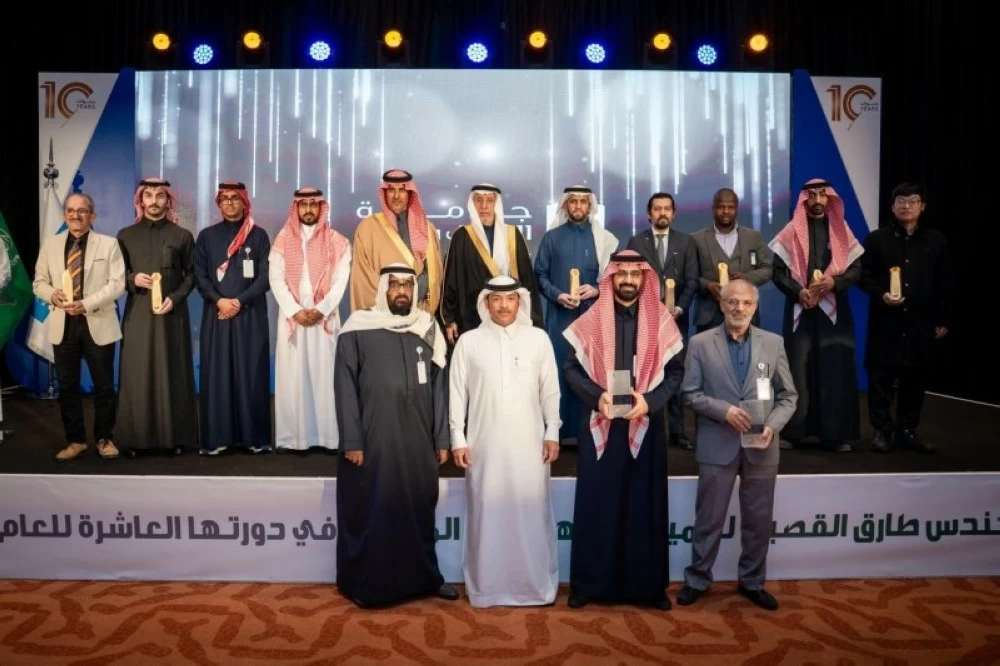
وفي ختام الحفل أعلن أسماء الفائزين بالجائزة، حيث فاز في تخصص هندسة البيئة «تشين لي» من جامعة الملك عبدالله للعلوم والتكنولوجيا، وفي تخصص الهندسة الجيوتقنية محمد عزت الأطرش من جامعة الأمير سلطان، كما فاز في تخصص هندسة مصادر المياه يزيد حمد سعد العباد من جامعة الملك سعود، وفي تخصص هندسة النقل صالح بن عواض بن محمد النفيعي العتيبي من جامعة الملك عبدالعزيز، وفي تخصص هندسة الإنشاءات موسى آدمو من جامعة الأمير سلطان، وفي تخصص هندسة إدارة التشييد عبدالله بن فهد بن عبدالله الحسين الشريف من جامعة الملك سعود، وفي تخصص الهندسة المساحية إسماعيل عبد الحميد محمد الخراشي من جامعة نجران، وذلك ضمن الدورة العاشرة للجائزة التي عكست تنوع التخصصات وعمق وجودة المخرجات البحثية.
وجرى في ختام الحفل تكريم أعضاء اللجنة العلمية للجائزة والعاملين عليها في مختلف فروعها تقديراً لجهودهم العلمية والتنظيمية وإسهامهم في إنجاح الجائزة وتحقيق مستهدفاتها، إضافة إلى تكريم جامعة الملك سعود مؤسس الجائزة المهندس طارق القصبي، حيث سلمه الدكتور يزيد بن عبدالملك آل الشيخ مجسم مبنى الجامعة تكريماً وتقديراً لمبادرته العلمية ودوره في دعم البحث والابتكار وخدمة الجامعة والبحث العلمي.
The Vice President of King Saud University for Graduate Studies and Scientific Research, Dr. Yazid bin Abdulmalik Al Sheikh, praised the Engineer Tarek Al-Qasabi Award for Excellence in Civil Engineering and its role in supporting innovative research in this vital and important field.
He confirmed that its high standards and regulations reflect the precision of the selection process and the commitment of those responsible for the award to honor winners who represent the pinnacle of national output in the engineering research and development system.
Al Sheikh expressed the pride of King Saud University in hosting this award, considering it a peak of loyalty from one of the university's distinguished graduates, Engineer Tarek bin Othman Al-Qasabi, and a qualitative initiative that contributes to enhancing the culture of research innovation and supporting scientific outputs with developmental impact.
Al Sheikh expressed hope that the university will be able in the future to provide supportive capabilities for the award winners, helping them to continue their research and invest it within the university's research and scientific resources.
This came in press statements following his sponsorship yesterday (Thursday), on behalf of the President of King Saud University, of the Engineer Tarek Al-Qasabi Award for Excellence in Civil Engineering ceremony, which was held in the Diriyah Hall at the university's headquarters in Riyadh, in the presence of a select group of academics, researchers, and specialists.
For his part, the founder of the award, Engineer Tarek Al-Qasabi, stated in a speech during the ceremony that the celebration of the 10th anniversary of these research awards confirms the belief since its inception in the role of engineering and scientific research in shaping the future, explaining that the initiative began with a simple dream of granting scientific research its rightful place, supporting researchers, and placing engineering and innovation at the heart of the development process. He noted that the award has received 516 scientific research papers over these years, of which 38 won, reflecting the effort made and the accumulated scientific ambition.
Al-Qasabi confirmed that research and innovation are a main focus in Saudi Vision 2030, which embodies the state's support for the innovation system, empowering universities, and motivating researchers, pointing to the qualitative leap achieved in the research and development system, represented by increased spending, growth in the number of workers, and improved quality and scientific impact, which has enhanced the kingdom's regional position and its ability to compete globally due to a clear vision and long-term investment in human resources, knowledge, and research infrastructure.
Al-Qasabi added that scientific research and innovation are no longer an intellectual luxury but have become one of the most important drivers of national economies, citing the deep-rooted nature of research and innovation in Islamic civilization, where scholars were pioneers in establishing the sciences of engineering, astronomy, medicine, and mathematics.
For his part, Dr. Ali bin Saeed Al-Qarni, Chairman of the Scientific Committee of the award and Head of the Civil Engineering Department at King Saud University, clarified that the award aligns with the objectives of Saudi Vision 2030, which has made scientific research and innovation a fundamental pillar for sustainable development, especially in the civil engineering sector directly linked to national infrastructure projects.
Al-Qarni indicated that the tenth cycle of the award witnessed unprecedented quantitative and qualitative progress, with the number of submitted research papers reaching 101, of which 86 were accepted after meeting the conditions, while 30 papers were nominated for external arbitration before selecting 7 winning papers representing the seven civil engineering specialties, noting that the number of submissions is the highest since the award's inception in 2015 compared to only about 14 papers in its first cycle.
Al-Qarni stated that research papers from faculty members constituted 63% of the total submissions, with 68 papers, while the participation of graduate students was 25%, and researchers 12%, with contributions from 20 Saudi universities, in addition to universities from the United Kingdom and the United States of America.
He pointed to the development of the award's regulations and arbitration criteria and the increase in the award's value to 245,000 riyals, distributed equally among the civil engineering specialties, confirming that all evaluation stages underwent precise scientific arbitration with the participation of experts from within and outside the kingdom, enhancing the integrity and quality of the research outputs.
At the end of the ceremony, the names of the award winners were announced, where in the Environmental Engineering specialty, "Chen Li" from King Abdullah University of Science and Technology won, and in the Geotechnical Engineering specialty, Mohammed Ezzat Al-Atrash from Prince Sultan University won. In the Water Resources Engineering specialty, Yazid Hamad Saad Al-Abbad from King Saud University won, and in the Transportation Engineering specialty, Saleh bin Awad bin Mohammed Al-Nafai Al-Otaibi from King Abdulaziz University won. In the Construction Engineering specialty, Moussa Adamou from Prince Sultan University won, and in the Construction Management Engineering specialty, Abdullah bin Fahd bin Abdullah Al-Hussein Al-Sharif from King Saud University won, and in the Surveying Engineering specialty, Ismail Abdulhamid Mohammed Al-Kharashi from Najran University won, all within the tenth cycle of the award, which reflected the diversity of specialties and the depth and quality of the research outputs.
At the end of the ceremony, members of the scientific committee of the award and those working on it in its various branches were honored in appreciation of their scientific and organizational efforts and their contribution to the success of the award and achieving its objectives, in addition to honoring King Saud University, the founder of the award, Engineer Tarek Al-Qasabi, where Dr. Yazid bin Abdulmalik Al Sheikh presented him with a model of the university building in recognition and appreciation of his scientific initiative and his role in supporting research and innovation and serving the university and scientific research.