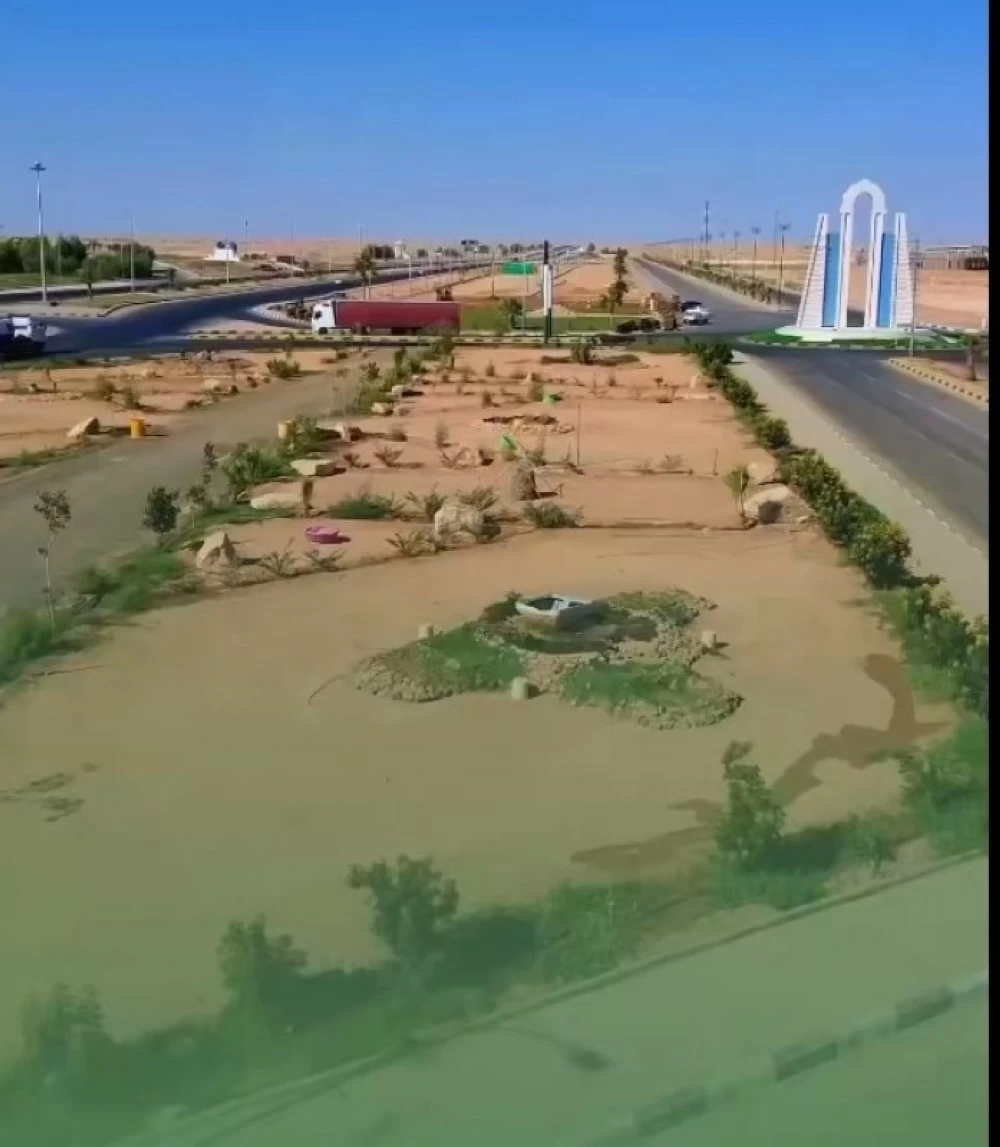
أكّد البرنامج الوطني للتشجير، عن انتشار أكثر من 39 نوعًا من النباتات المحلية الملائمة للتشجير في الحدود الشمالية؛ مما يعزز من الجهود الوطنية الداعمة لمشاريع التشجير، ويسهم في تنمية الغطاء النباتي، والحد من تدهور الأراضي في المنطقة، وفقًا لمستهدفات مبادرة السعودية الخضراء، للإسهام في ترسيخ أهمية زراعة النباتات المحلية الملائمة للبيئات المتنوعة، وتحقيق الاستدامة البيئية، تماشيًا مع مستهدفات رؤية المملكة 2030.
بيئات مختلفة
وأوضح البرنامج، أن هذه الأنواع تنتشر في بيئات مختلفة بالمنطقة، أبرزها بيئة الهضاب، والوديان، والجبال، والروضات، وتجمعات المياه، والسهول، والصحاري الرملية، وغيرها، مضيفًا أن تلك الأنواع تشمل، الأشجار الصغيرة، والمعمّرة، والشجيرات الصغيرة، والمعمّرة، والحولية، والأعشاب المعمّرة، ومن أشهرها، السلم، الأثب، السوحر، الشعراء، القطف، الروثة، رغل، الفرس، القضقاض، الرمث، طمحاء، الضُمران، العرن، القُرزُح، العاذر، الرخامي، الرتم، الشيح، العضرس، الأرطى، السدر البري، العوسج، القسور، الشُفارى، السوسن البري، العدام، وغيرها من الأنواع الأخرى.
فصائل متعددة
وأشار البرنامج إلى وجود العديد من الفصائل التي تنتمي إليها تلك الأنواع من النباتات المحلية، في منطقة الحدود الشمالية، ومن أبرز تلك الفصائل، القطيفية، البقولية، التوتية، الصفصافية، الخيمية، المركبة، المحمودية، الراوندية، البليحاوية، السدرية، الخنازيرية، الباذنجانية، الرطريطية، الخردلية، العلندية، السوسنية، والشفوية.
يذكر أن البرنامج الوطني للتشجير، يقود جهودًا متواصلة، لدعم وتشجيع مشاركة المجتمع في مبادرات التشجير بالشراكة مع القطاعات الحكومية، والخاصة، وغير الربحية، للحفاظ على البيئة، وتعزيز الاستدامة البيئية، من خلال زراعة النباتات المحلية الملائمة، ورفع الوعي بالممارسات البيئية الخاطئة، وتفعيل ثقافة التطوع بين أفراد المجتمع، وفقًا لمستهدفات رؤية المملكة 2030.
The National Afforestation Program confirmed the spread of more than 39 species of local plants suitable for afforestation in the Northern Borders; this enhances national efforts supporting afforestation projects and contributes to the development of vegetation cover and the reduction of land degradation in the region, in line with the targets of the Saudi Green Initiative, to emphasize the importance of planting local plants suitable for diverse environments and achieving environmental sustainability, in alignment with the goals of Vision 2030.
Diverse Environments
The program clarified that these species are spread across various environments in the region, most notably in plateaus, valleys, mountains, meadows, water bodies, plains, sandy deserts, and others. It added that these species include small trees, long-lived trees, small shrubs, long-lived shrubs, annuals, and perennial herbs. Among the most famous are: the salam, al-athab, al-suhar, al-shu'ara, al-qatf, al-rutha, raghl, al-fars, al-qadqad, al-ramth, al-tamha, al-dumran, al-'arn, al-qurzuḥ, al-'adhir, al-rukhami, al-ratam, al-shiḥ, al-'udrus, al-arṭa, al-sidr al-bari, al-'awsaj, al-qasur, al-shufara, al-sawsan al-bari, al-'adam, and other species.
Multiple Families
The program pointed out the existence of many families to which these species of local plants belong in the Northern Borders region. Among the most notable families are: the Qatif family, leguminous, mulberry, willow, tent, composite, Mahmoudi, rhubarb, Balihawi, sidr, khanazir, eggplant, ratrit, mustard, al-'alandi, al-sawsani, and al-shafwi.
It is worth mentioning that the National Afforestation Program leads continuous efforts to support and encourage community participation in afforestation initiatives in partnership with government, private, and non-profit sectors, to preserve the environment and enhance environmental sustainability by planting suitable local plants, raising awareness of incorrect environmental practices, and activating a culture of volunteering among community members, in accordance with the goals of Vision 2030.