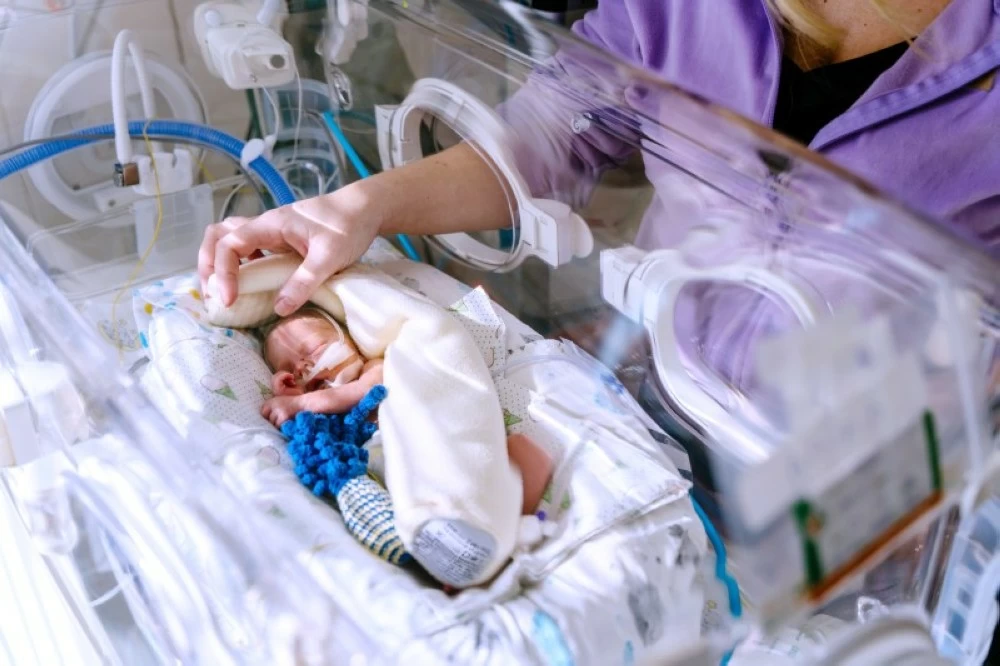
في اللحظة التي تتعالى فيها داخل غرف الولادة صرخات المواليد الجدد، يعلو هنا صراخ مختلف؛ صراخ أم تضع مولوداً جاء إلى الحياة صامتاً، لأن نموه لم يكتمل بعد. مواليد يخرجون إلى الدنيا قبل أوانهم، فتتلقفهم وحدات العناية المركزة كأحضان بديلة عن أحضان أمهاتهم، وتتحول فيها الأجهزة إلى رئة اصطناعية تمنحهم الهواء، وتغدو الأضواء الزرقاء شمساً صغيرة تعوض دفئاً لم يكمله الحمل.
دعاء لا يهدأ وقلوب عالقة
خلف زجاج الحضانة، تقف أم بعيون زائغة ودمعة عالقة، تتشبث بالحياة من أجل وليدها، وإلى جوارها يقف الأب في زاوية بعيدة، يحاول جمع شتات قوته، فيما قلبه يرتجف خوفاً على مولوده الذي جاء بلا صرخة كبقية الأطفال.
وتمضي الأيام والأسابيع، والوالدان لا ينقطعان عن زيارة الحضانة. دعاؤهما لا يهدأ، وقلوبهما معلقة بلحظة طال انتظارها؛ لحظة احتضان صغيرهما كما يفعل بقية الآباء.
الأطفال الخدّج.. حكاية تحدٍ طبي وإنساني ترويها حضانات المستشفيات كل يوم. بين جهود طبية تسابق الزمن لإنقاذ حياة صغيرة، وبين أمنيات والدين ينتظران اكتمال أشهر لم تكتمل، يقف مولود صغير يقاوم ظروفه، ويعلن حضوره إلى هذه الدنيا كما يفعل الأقوياء.
60 ألف خديج سنوياً
الولادة المبكرة واحدة من أبرز التحديات الصحية عالمياً؛ فبحسب تقارير منظمة الصحة العالمية، يولد ملايين الأطفال سنوياً قبل أوانهم، وتعد الولادة الخدج السبب الأول لوفيات حديثي الولادة، وتشير المنظمة إلى أن 2020م، شهد ولادة 13.4 مليون طفل قبل الأسبوع السابع والثلاثين من الحمل، فيما شهد 2019م، وفاة 900 ألف طفل خديج لم يكتمل نموهم.
ورغم عدم توفر إحصاءات رسمية لعدد المواليد الخدج في السعودية لعام 2024م، تشير تقديرات إلى أن أكثر من 60 ألف طفل خديج يولدون سنوياً في المملكة. ولتقليل مخاطر الولادة المبكرة، تعمل القطاعات الصحية على توعية الأمهات بأهمية متابعة الحمل، خصوصاً لمن يعانين من أمراض مزمنة كالضغط والسكري، أو من يحملن بتوأم، وهي عوامل تزيد احتمالية الولادة المبكرة.
من هو الخديج؟
أوضحت استشارية الأطفال والعناية المركزة لحديثي الولادة الدكتورة مريم النويمي لـ«عكاظ»، أن الطفل الخديج هو كل مولود قبل الأسبوع السابع والثلاثين من الحمل، وتتنوع أسباب الولادة المبكرة بين الالتهابات غير المعالجة، والحمل المتعدد، وانفصال المشيمة، والنزيف، إضافة إلى الحالات التي يشكل استمرار الحمل فيها خطراً على الأم أو الجنين، مثل ارتفاع ضغط الدم الشديد أو عدم انتظام السكري، ما يستدعي أحياناً إنهاء الحمل جراحياً حفاظاً على سلامة الأم.
وأضافت استشارية حديثي الولادة الدكتورة النويمي، أن الضغوط النفسية، والتدخين، وارتخاء عنق الرحم، وتعدد الولادات المتقاربة والتشوهات الخلقية في الرحم، جميعها عوامل قد تسهم في حدوث الولادة المبكرة، مؤكدة أن بعض الحالات تحدث دون سبب واضح وقد تتكرر في أحمال لاحقة، كما أشارت إلى وجود مكون وراثي ملحوظ، إذ تظهر الدراسات أن 30–40% من الحالات لها تاريخ عائلي من جهة الأم.
%90 يعيشون طبيعياً
رغم التحديات التي قد تواجه الطاقم الطبي المختص، تؤكد استشارية الأطفال الدكتورة النويمي أن فرص بقاء المواليد الخدج اليوم مرتفعة، تصل إلى 80–90% بفضل التطور الطبي وأجهزة الدعم التنفسي الحديثة، مؤكدة أن معظمهم يعيشون حياة طبيعية، وإن كانت التحديات الصحية التي يواجهونها في البداية تتمثل في ضعف المناعة والتغذية، وقد تظهر لاحقاً مشكلات تنفسية أو صعوبات تعلم في الحالات الشديدة.
وشددت استشارية حديثي الولادة الدكتورة النويمي، على أن حليب الأم يمثل حجر الأساس في رعاية المولود الخديج، لسهولة هضمه وغناه بالأجسام المضادة، مشيرة إلى أن الأطفال الذين يتغذون على حليب أمهاتهم تقل لديهم معدلات التنويم خلال العامين الأولين بعد الخروج من العناية المركزة.
قصص من الحضانات
من واقع الخبرة السريرية، استعرض استشاري العناية المركزة لحديثي الولادة الدكتور عبدالعزيز الشيخ، حالتين تجسدان حجم التطور الطبي، الأولى لسيدة أنجبت أربعة توائم بعمر 24 أسبوعاً وبأوزان بين 500 و540 جراماً، مكثوا ثلاثة أشهر في العناية المركزة قبل خروجهم بصحة جيدة، وهم اليوم بعمر عامين بنمو طبيعي، أما الحالة الثانية فكانت لسيدة تبلغ 43 عاماً حملت بعد تأخر إنجاب دام أكثر من 20 عاماً، ووضعت طفلاً بعمر 26 أسبوعاً ووزن 670 جراماً، خرج لاحقاً بصحة جيدة.
أسرتي روت لي حكايتي
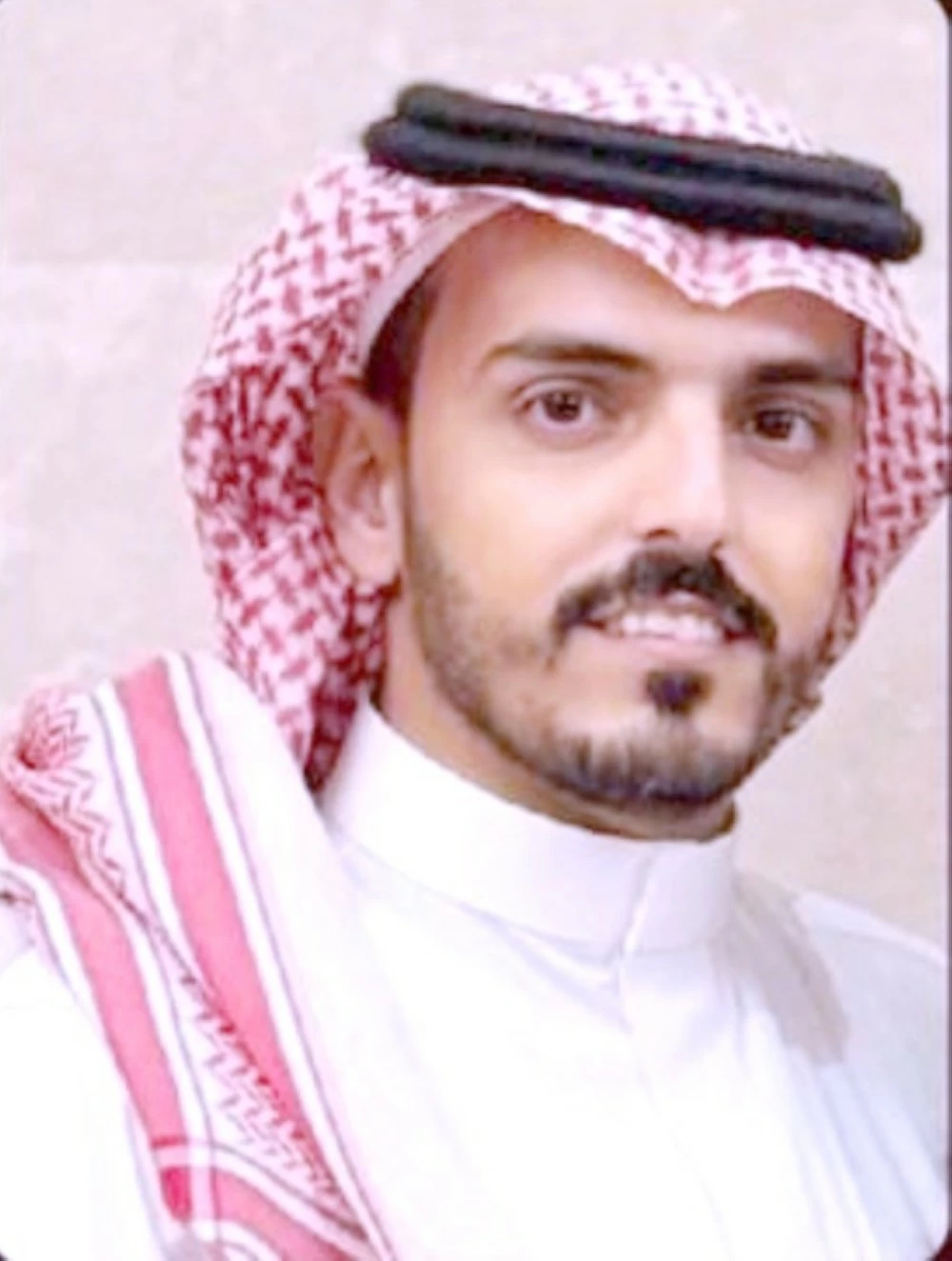
يروي بعض الذين قدموا إلى هذه الدنيا (خدّجاً) قصصهم، ويقول علي المحمودي: ولدت خديجاً قبل 23 عاماً، وعرفت تفاصيل ولادتي من أسرتي.
ورغم بعض الصعوبات الصحية البسيطة التي عانى منها في طفولته، إلا أن حياته اليوم طبيعية تماماً، يمارس عمله ونشاطه اليومي، ويؤكد أنه لا يشعر بأي اختلاف عن غيره، موجهاً رسالة شكر وعرفان لوالديه على صبرهما عند ولادته.
اختبار طويل للصبر
تروي منال الشهري تجربتها مع طفلتها التي ولدت في الشهر السابع وبقيت في العناية المركزة ثلاثة أشهر، قائلة: إن الالتزام بتعليمات الفريق الطبي والمتابعة الدقيقة لحالة طفلتها، كانت عوامل أساسية في تجاوز المرحلة. واليوم تعيش طفلتها حياة طبيعية دون عوائق.
وتروي سمر محمد تجربتها مع طفلتها الخديجة، واصفة تلك المرحلة بأنها «اختبار طويل للصبر والثقة»، مؤكدة أن الدعم النفسي والتواجد المستمر كانا عنصرين مهمين في رحلة العلاج، وأن طفلتها اليوم تنمو بشكل طبيعي دون آثار طويلة المدى.
أما فاطمة سامر، فتصف رحلتها بأنها امتدت لسنوات بعد الخروج من المستشفى، إذ عانت طفلتها من مشكلات تنفسية متكررة تطلبت متابعة دقيقة. ورغم الصعوبات، شهدت الحالة تحسناً تدريجياً، وتعيش الطفلة اليوم حياة مستقرة، مؤكدة أن الصبر والمتابعة الطبية كانا مفتاح تجاوز تلك المرحلة.
At the moment when the cries of newborns rise inside the delivery rooms, a different cry is heard here; the cry of a mother giving birth to a baby who came into the world silent, because its growth has not yet completed. Babies are born into the world before their time, and the intensive care units catch them like alternative embraces to their mothers' arms, where machines turn into artificial lungs that provide them with air, and the blue lights become a small sun that compensates for the warmth that the pregnancy did not complete.
A Prayer That Doesn’t Rest and Hearts in Suspense
Behind the glass of the incubator, a mother stands with wide eyes and a tear stuck, clinging to life for her newborn, while the father stands in a distant corner, trying to gather his strength, as his heart trembles with fear for his child who came without a cry like other children.
Days and weeks go by, and the parents do not cease to visit the incubator. Their prayers do not rest, and their hearts are suspended by a moment long awaited; the moment of holding their little one as other parents do.
Premature babies... a story of medical and humanitarian challenge told by hospital incubators every day. Between medical efforts racing against time to save a small life, and the wishes of parents waiting for months that have not been completed, stands a small newborn resisting its circumstances, announcing its presence in this world like the strong.
60,000 Premature Babies Annually
Premature birth is one of the most significant health challenges globally; according to reports from the World Health Organization, millions of children are born each year before their time, and premature birth is the leading cause of neonatal deaths. The organization indicates that in 2020, 13.4 million children were born before the 37th week of pregnancy, while in 2019, 900,000 premature babies who had not completed their growth died.
Although there are no official statistics for the number of premature births in Saudi Arabia for 2024, estimates suggest that more than 60,000 premature babies are born annually in the Kingdom. To reduce the risks of premature birth, health sectors are working to raise awareness among mothers about the importance of monitoring pregnancy, especially for those suffering from chronic diseases such as hypertension and diabetes, or those carrying twins, which are factors that increase the likelihood of premature birth.
Who is a Premature Baby?
Dr. Maryam Al-Nuimi, a pediatric and neonatal intensive care consultant, explained to “Okaz” that a premature baby is any newborn before the 37th week of pregnancy. The causes of premature birth vary between untreated infections, multiple pregnancies, placental abruption, bleeding, in addition to cases where continuing the pregnancy poses a risk to the mother or fetus, such as severe hypertension or uncontrolled diabetes, which sometimes necessitates surgical termination of the pregnancy to ensure the mother's safety.
Dr. Al-Nuimi added that psychological stress, smoking, cervical incompetence, closely spaced births, and congenital abnormalities in the uterus are all factors that may contribute to premature birth, confirming that some cases occur without a clear reason and may recur in subsequent pregnancies. She also noted a significant genetic component, as studies show that 30-40% of cases have a family history on the mother's side.
90% Live Normally
Despite the challenges that the specialized medical team may face, pediatric consultant Dr. Al-Nuimi confirms that the chances of survival for premature infants today are high, reaching 80-90% thanks to medical advancements and modern respiratory support devices, emphasizing that most of them live normal lives, although the health challenges they face initially include weak immunity and nutrition, and respiratory problems or learning difficulties may appear later in severe cases.
Dr. Al-Nuimi stressed that breast milk is the cornerstone of care for premature infants, due to its easy digestibility and richness in antibodies, noting that infants who are fed their mothers' milk have lower hospitalization rates during the first two years after leaving intensive care.
Stories from the Incubators
From clinical experience, neonatal intensive care consultant Dr. Abdulaziz Al-Sheikh presented two cases that embody the extent of medical advancement. The first was a woman who gave birth to quadruplets at 24 weeks, weighing between 500 and 540 grams, who spent three months in intensive care before being discharged in good health. They are now two years old with normal growth. The second case was a 43-year-old woman who conceived after more than 20 years of infertility, giving birth to a child at 26 weeks weighing 670 grams, who later left in good health.
My Family Told Me My Story
Some who came into this world (prematurely) share their stories, and Ali Al-Mahmoudi says: I was born premature 23 years ago, and I learned the details of my birth from my family.
Despite some minor health difficulties he faced in childhood, his life today is completely normal; he engages in his work and daily activities, affirming that he feels no different from others, sending a message of thanks and appreciation to his parents for their patience during his birth.
A Long Test of Patience
Manal Al-Shahri recounts her experience with her daughter who was born in the seventh month and stayed in intensive care for three months, saying that adherence to the medical team's instructions and the careful monitoring of her daughter's condition were key factors in overcoming the stage. Today, her daughter lives a normal life without obstacles.
Samar Mohammed shares her experience with her premature daughter, describing that phase as “a long test of patience and trust,” emphasizing that psychological support and constant presence were crucial elements in the treatment journey, and that her daughter today is growing normally without long-term effects.
Fatima Samer describes her journey as one that extended for years after leaving the hospital, as her daughter suffered from recurring respiratory problems that required careful monitoring. Despite the difficulties, the condition showed gradual improvement, and the child now lives a stable life, affirming that patience and medical follow-up were the keys to overcoming that phase.