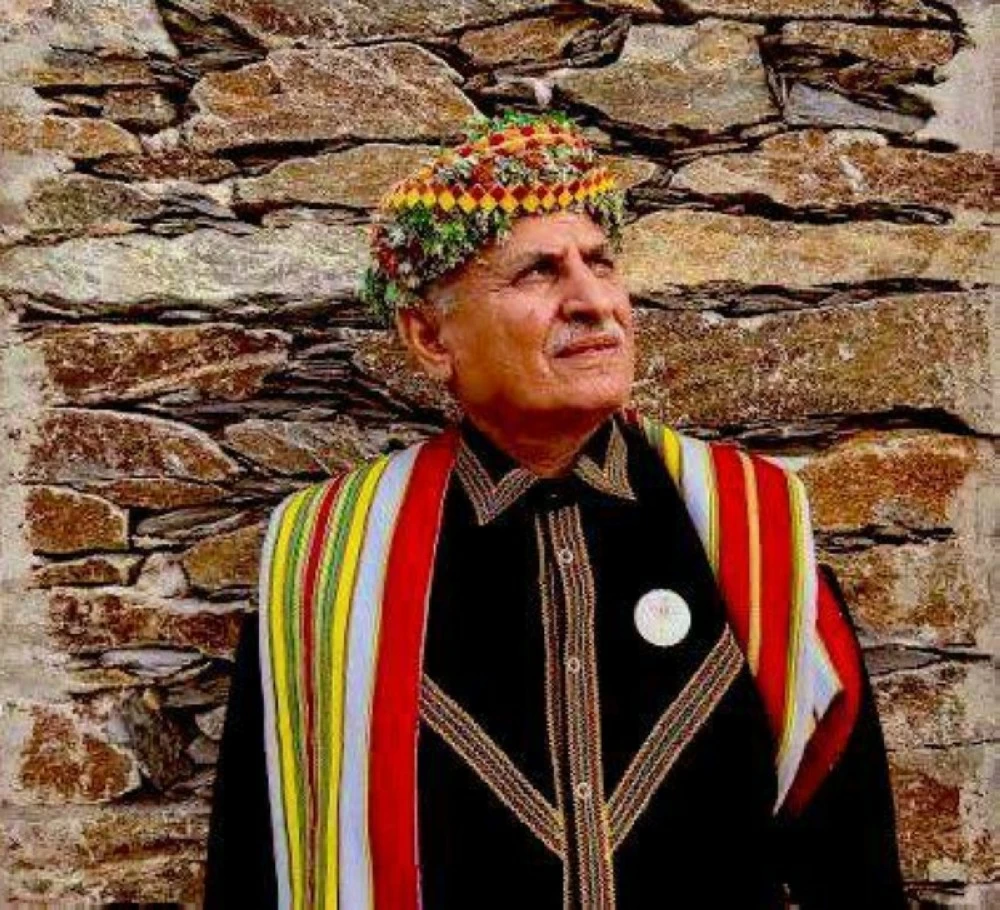
ودّعت منطقة عسير حديش أحمد جبّان الألمعي، أحد أبرز أعلام الموروث الشعبي، الذي انتقل إلى رحمة الله تعالى بعد مسيرة حافلة بالعطاء، أسهم خلالها في حفظ التراث العسيري وترسيخه في الذاكرة الشعبية للأجيال.
حضور متجذر في الوجدان
تميّز الفقيد بمشاركات واسعة في الفنون الشعبية، وحضور لافت في المناسبات التراثية والاحتفالات الاجتماعية، حيث كان أحد الوجوه البارزة التي لعبت دورًا محوريًا في إبراز الموروث الشعبي لمنطقة عسير، والمحافظة على أصالته وهويته.
أيقونة في رجال ألمع
ويُعد حديش جبّان من أبرز العازفين على آلة المزمار في محافظة رجال ألمع، إذ ارتبط اسمه بهذا الفن لعقود طويلة، في زمن كان فيه صوت المزمار جزءًا أصيلًا من المناسبات الكبرى، والأعياد، والزواجات، والاحتفالات القبلية. ولم تكن تُقام رقصة الدمة أو العرضة أو الخطوة في رجال ألمع إلا وكان لصوته الحادّ حضور يُلهب الأرض ويوقظ الإيقاع في الأقدام.
مشهد تراثي يحكي سيرة إنسان
وكان الفقيد يظهر مرتديًا الزي العسيري التقليدي، ممسكًا بمزماره المزخرف بألوان التراث، وخلفه نقوش القط العسيري التي تُجسّد عمق الانتماء للبيئة الجبلية الفريدة. ولم يكن هذا المشهد عابرًا، بل كان توثيقًا حيًا لمسيرة فنية وإنسانية امتدت لعقود، جعلت من حديش جبّان رمزًا من رموز فن المزمار في منطقة عسير.
The Asir region bid farewell to Hadish Ahmed Jabban Al-Amari, one of the most prominent figures of the popular heritage, who passed away after a fruitful journey of giving, during which he contributed to preserving the Asiri heritage and embedding it in the collective memory of generations.
A Deeply Rooted Presence in the Collective Consciousness
The late Jabban was distinguished by his extensive participation in folk arts and his notable presence at heritage events and social celebrations, as he was one of the prominent faces that played a pivotal role in highlighting the popular heritage of the Asir region and preserving its authenticity and identity.
An Icon in Rijal Almaa
Hadish Jabban is considered one of the most prominent players of the mizmar (a type of traditional flute) in the Rijal Almaa governorate, as his name has been associated with this art for many decades, during a time when the sound of the mizmar was an integral part of major events, holidays, weddings, and tribal celebrations. The Dammah, Ardah, or Khutwah dances in Rijal Almaa would not take place without his sharp voice, which ignited the ground and awakened the rhythm in the feet.
A Heritage Scene Telling the Story of a Human
The late Jabban would appear wearing the traditional Asiri attire, holding his mizmar adorned with the colors of heritage, with the Asiri cat engravings behind him that embody a deep connection to the unique mountainous environment. This scene was not fleeting; rather, it was a living documentation of an artistic and human journey that spanned decades, making Hadish Jabban a symbol of the mizmar art in the Asir region.