قدّمت وزارة البيئة والمياه والزراعة، مشروع اللائحة التنفيذية للإدارة المستدامة للبيئة البحرية والساحلية كمقترح يتضمّن حزمة تشريعات لحماية البيئة البحرية والساحلية، وعقوبات مالية رادعة تصل في حدها الأقصى إلى مليون ونصف المليون ريال.
وتهدف الوزارة عبر المقترح، إلى صون المقدّرات الطبيعية وضمان استدامتها للأجيال القادمة، وتعزيز حماية البيئة والحياة الفطرية وضمان الالتزام بالمعايير والاتفاقيات الدولية ذات الصلة، وردع التعديات على الكائنات الفطرية الضخمة.
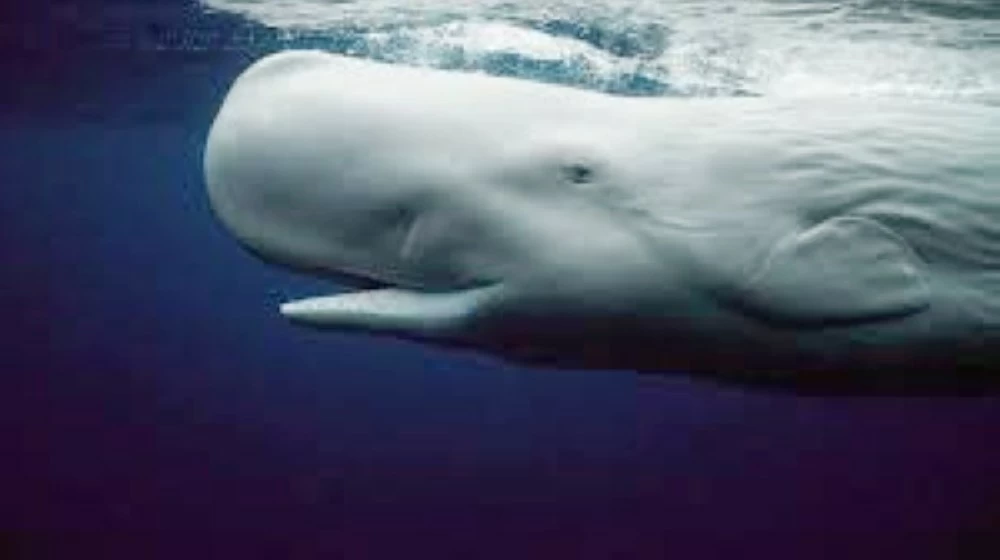
ونصّت اللائحة التنفيذية على غرامة قدرها مليون و500 ألف ريال لكل من يقوم بصيد حوت العنبر، وغرامة قدرها مليون ريال لصيد حيوان الأطوم «بقر البحر» وقرش الحوت، ونصف مليون ريال لصيد أنواع أخرى من الحيتان كالحوت الأحدب وحوت المنك.
العناية بـ«المرجانية»
وعنيت اللائحة بالشعاب المرجانية باعتبارها ركيزة النظام البيئي البحري، وحدّدت غرامة قدرها 200 ألف ريال عن كل متر مكعب من المرجان الصلب أو الهش يتم إتلافه، أو احتساب الغرامة وفق معادلة تعويض بيئي خاصة تعتمد على مساحة المنطقة المتضررة وسنوات التعافي، مع تطبيق القيمة الأعلى بينهما لضمان الردع.
ومن العقوبات التي تضمّنتها اللائحة غرامات تراوح بين 40 ألف ريال و100 ألف ريال على صيد أنواع محددة مثل القرش «أبو مطرقة» والقرش «النمر» وقرش «الطرف الأبيض المحيطي»، إضافة إلى غرامة 40 ألف ريال لصيد قرش الثور.
منع النفايات
وشملت قائمة الحماية الكائنات الدقيقة والرخويات، وفرضت غرامات بـ50 ألف ريال على صيد محار البصر، و10 آلاف ريال لمحار اللؤلؤ، بينما حدّدت غرامة 10 آلاف ريال لكل متر مكعب من الإسفنجيات، مع إمكانية وصول التقدير إلى 300 ألف ريال حسب حجم ونوع الكائن المتضرر.
وحظرت اللائحة بشكل قاطع إلقاء أو تصريف مياه الصرف الصحي أو أي مكوّنات سائلة غير معالجة في البيئة البحرية والساحلية، ومنعت التخلص من النفايات بجميع أشكالها في هذه الأوساط، لضمان بقاء المياه خالية من الملوثات التي تهدّد الحياة الفطرية.
حظر المتفجرات
وحظرت اللائحة استخدام المتفجرات أو المواد السامة أو المخدرة في عمليات الصيد، كما مُنع استخدام البنادق الرمحية في مناطق الشعاب المرجانية والمحميات البحرية بشكل نهائي لمنع الإضرار بالبيئة الحساسة، كما حظرت اللائحة إلقاء المراسي في مناطق الشعاب المرجانية ومناطق الأعشاب البحرية لتجنّب تدميرها، وألزمت السفن والقوارب بمسارات محددة وسرعات آمنة داخل المناطق المحمية لتقليل مخاطر التصادم مع الثدييات البحرية.
واستثنت الضوابط حالات الصيد العرضي للكائنات المحظورة بشرط المبادرة الفورية بإعادة إطلاقها في البحر مع بذل العناية اللازمة لسلامتها، وضرورة إبلاغ الجهات المختصة فوراً في حال نفوقها أو إصابتها لتوثيق الحالة.
The Ministry of Environment, Water, and Agriculture has presented a draft executive regulation for the sustainable management of the marine and coastal environment as a proposal that includes a package of legislation to protect the marine and coastal environment, along with deterrent financial penalties that can reach up to one and a half million riyals.
The ministry aims, through this proposal, to preserve natural resources and ensure their sustainability for future generations, enhance the protection of the environment and wildlife, ensure compliance with relevant international standards and agreements, and deter violations against large wildlife.
The executive regulation stipulates a fine of one million and five hundred thousand riyals for anyone who catches a sperm whale, a fine of one million riyals for catching a dugong (sea cow) and a whale shark, and a fine of five hundred thousand riyals for catching other species of whales such as the humpback whale and the minke whale.
Care for the "Coral Reefs"
The regulation addresses coral reefs as a cornerstone of the marine ecosystem and sets a fine of two hundred thousand riyals for each cubic meter of hard or soft coral that is destroyed, or the fine may be calculated based on a special environmental compensation formula that depends on the area of the affected region and the years of recovery, applying the higher value between the two to ensure deterrence.
Among the penalties included in the regulation are fines ranging from forty thousand riyals to one hundred thousand riyals for catching specific species such as the hammerhead shark, the tiger shark, and the oceanic whitetip shark, in addition to a fine of forty thousand riyals for catching a bull shark.
Prohibition of Waste
The protection list includes microorganisms and mollusks, imposing fines of fifty thousand riyals for catching sight oysters and ten thousand riyals for pearl oysters, while a fine of ten thousand riyals is set for each cubic meter of sponges, with the possibility of the estimate reaching three hundred thousand riyals depending on the size and type of the affected organism.
The regulation categorically prohibits the dumping or discharge of untreated sewage or any liquid components into the marine and coastal environment and bans the disposal of waste in all its forms in these areas to ensure that the waters remain free of pollutants that threaten wildlife.
Ban on Explosives
The regulation prohibits the use of explosives or toxic or narcotic substances in fishing operations, and the use of spear guns in coral reef areas and marine reserves is definitively banned to prevent harm to the sensitive environment. The regulation also prohibits dropping anchors in coral reef areas and seagrass areas to avoid destroying them, and requires ships and boats to follow designated routes and safe speeds within protected areas to reduce the risk of collisions with marine mammals.
The regulations exempt incidental catches of prohibited organisms, provided that they are immediately released back into the sea with the necessary care for their safety, and it is essential to notify the relevant authorities immediately in case of their death or injury to document the situation.