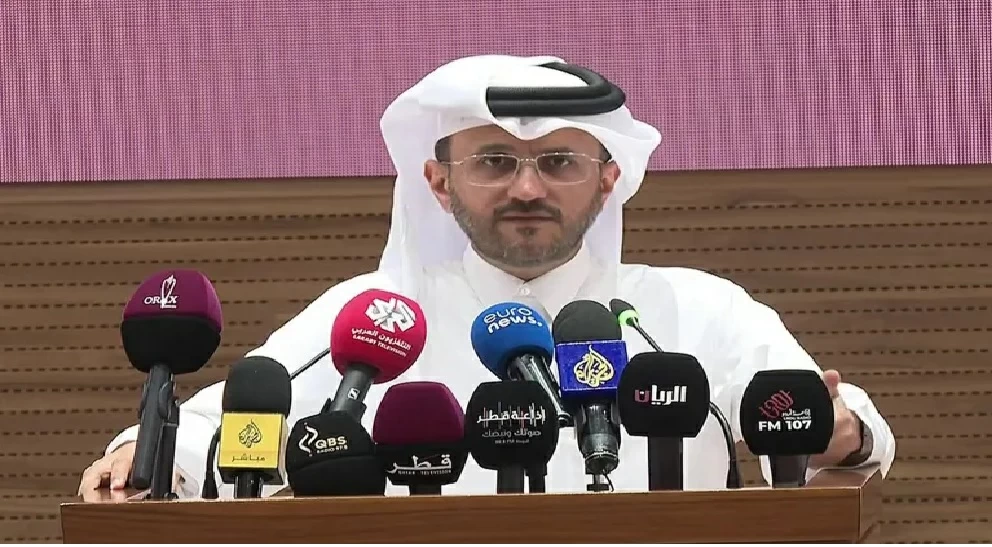
كشف المتحدث باسم الخارجية القطرية ماجد الأنصاري أنه تمت صياغة بنود تتعلق باتفاق محتمل بين الولايات المتحدة وإيران.
وقال خلال مؤتمر صحفي، اليوم (الثلاثاء)، إن التركيز ينصب حالياً على التوصل إلى حل قصير الأجل، مؤكداً أنه يجري تداول مسودة اتفاق محتمل بين الأطراف. مبيناً أنه لا يوجد اتفاق حتى الآن، وأن المهم هو العودة للمسار الدبلوماسي.
ونفى الأنصاري وجود أي خطط أو ترتيبات بشأن محادثات مباشرة بين البلدين. وأكد أن الجهود مستمرة مع جميع الأطراف بحثاً عن حل دبلوماسي لحرب إيران.
وأضاف أن التركيز الآن هو على خفض التصعيد وفتح مضيق هرمز والمسار الدبلوماسي. وتابع: «ما يهمنا الآن هو عودة المفاوضات، ولتحقيق هذا يجب ضمان وقف النار وفتح مضيق هرمز».
من جانبه، بحث رئيس الوزراء وزير الخارجية القطري الشيخ محمد بن عبدالرحمن ووزير الخارجية الروسي سيرجي لافروف، في اتصال هاتفي، آخر المستجدات الإقليمية، والجهود الدبلوماسية المبذولة والتنسيق المشترك لخفض التصعيد وتعزيز الأمن والاستقرار في المنطقة.
وقالت «الخارجية القطرية»، في بيان، إن الشيخ محمد بن عبدالرحمن أكد خلال الاتصال «ضرورة التزام كافة الأطراف بالحوار والدبلوماسية، وتنفيذ ما تم التوافق عليه في إطار مذكرة التفاهم بين الولايات المتحدة وإيران، بما في ذلك ضمان حرية الملاحة في مضيق هرمز، للحفاظ على أمن المنطقة، وصون المكتسبات التي تحققت، وتعزيز الاستقرار الإقليمي».
وجدد دعم قطر الكامل لجميع المساعي الرامية إلى نزع فتيل التوتر، والتوصل إلى اتفاق شامل يحقق السلام المستدام في المنطقة.
ونقلت وكالة «رويترز» عن مصدر إيراني قوله إن طهران تبحث خطة مؤقتة بشأن مضيق هرمز مع سلطنة عمان تمنح طهران سيطرة كاملة على حركة الشحن الداخلة. وأضاف أن مسار الملاحة الخارج من مضيق هرمز سيمر عبر طريق بين إيران وعمان، وأن عمان ستسمح للسفن بالمغادرة بعد إخطار طهران.
وأشار المصدر إلى أن الخطة ستمنح طهران القدرة على رصد حركة الملاحة الخارجة من مضيق هرمز والتدخل عند الضرورة. واستبعد أن تقبل طهران أي بديل آخر لإعادة فتح مضيق هرمز.
The spokesperson for the Qatari Foreign Ministry, Majid Al-Ansari, revealed that terms related to a potential agreement between the United States and Iran have been drafted.
During a press conference today (Tuesday), he stated that the focus is currently on reaching a short-term solution, confirming that a draft agreement is being circulated among the parties. He clarified that there is no agreement yet, and what is important is returning to the diplomatic track.
Al-Ansari denied the existence of any plans or arrangements for direct talks between the two countries. He affirmed that efforts are ongoing with all parties in search of a diplomatic solution to the Iran conflict.
He added that the current focus is on de-escalation and opening the Strait of Hormuz and the diplomatic path. He continued: "What matters to us now is the resumption of negotiations, and to achieve this, a ceasefire must be ensured and the Strait of Hormuz must be opened."
For his part, Qatari Prime Minister and Foreign Minister Sheikh Mohammed bin Abdulrahman discussed, in a phone call, the latest regional developments, the diplomatic efforts being made, and the joint coordination to de-escalate tensions and enhance security and stability in the region.
The Qatari Foreign Ministry stated in a statement that Sheikh Mohammed bin Abdulrahman emphasized during the call "the necessity for all parties to commit to dialogue and diplomacy, and to implement what has been agreed upon within the framework of the memorandum of understanding between the United States and Iran, including ensuring freedom of navigation in the Strait of Hormuz, to maintain regional security, preserve the gains that have been achieved, and enhance regional stability."
Qatar reiterated its full support for all efforts aimed at de-escalating tensions and reaching a comprehensive agreement that achieves sustainable peace in the region.
Reuters reported an Iranian source saying that Tehran is considering a temporary plan regarding the Strait of Hormuz with Oman that grants Tehran full control over incoming shipping movements. He added that the navigation route out of the Strait of Hormuz will pass through a path between Iran and Oman, and that Oman will allow ships to depart after notifying Tehran.
The source indicated that the plan will give Tehran the ability to monitor the shipping movements exiting the Strait of Hormuz and intervene when necessary. He ruled out that Tehran would accept any alternative to reopening the Strait of Hormuz.