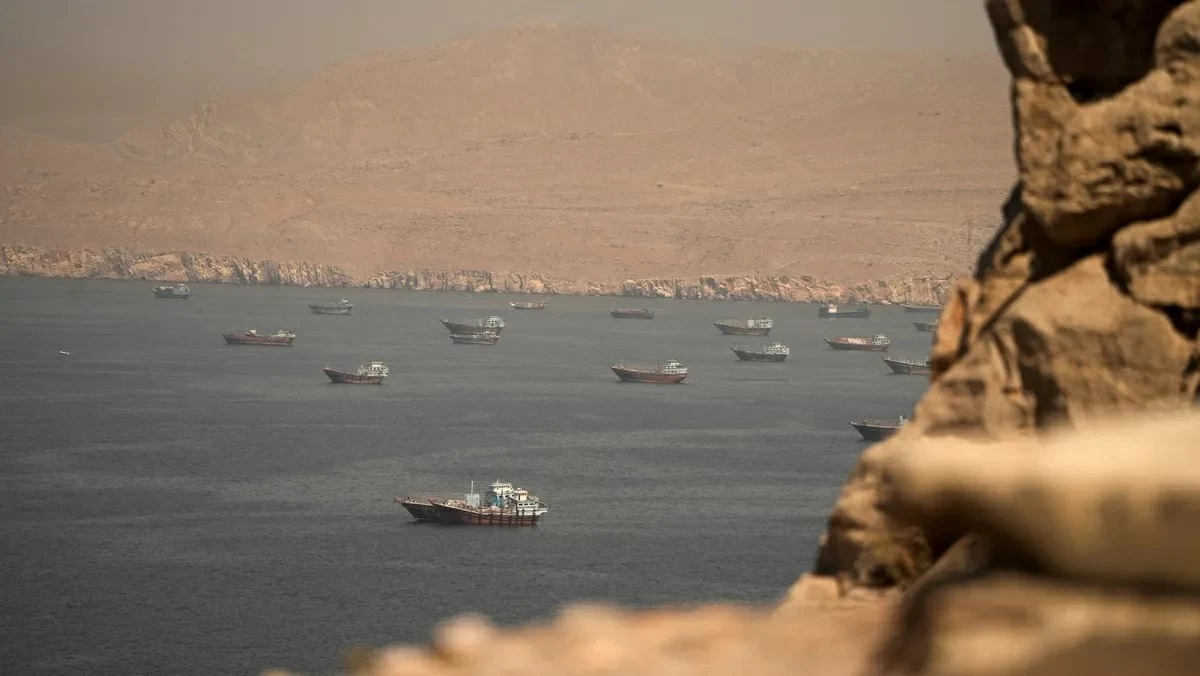
نقل موقع «أكسيوس»، اليوم (الأربعاء)، عن مصدرين إقليميين ومسؤول أمريكي أن الولايات المتحدة وإيران وسلطنة عمان تقترب من التوصل إلى اتفاق مؤقت لإعادة فتح مضيق هرمز، على أن تعلنه واشنطن.
أبرز بنود الاتفاق الجديد
وأفادت المصادر بأن الاتفاق المرتقب يلبي بعض مطالب إيران المتعلقة بالحصول على دور أكبر في إدارة حركة الملاحة بمضيق هرمز، وهو دور لم تكن تتمتع به قبل اندلاع الحرب.
وبحسب المصدرين الإقليميين، ينص الاتفاق قيد المناقشة على إقامة ترتيبات مؤقتة بين عمان وإيران في مضيق هرمز لمدة 60 يوماً، مع إمكانية تمديدها.
تشمل الترتيبات:
- مرور جميع السفن المتجهة إلى الخليج عبر ممر شمالي داخل المياه الإيرانية.
- مرور جميع السفن المغادرة للخليج باتجاه بحر العرب عبر ممر جنوبي داخل المياه العمانية بالتنسيق مع إيران.
- عدم فرض أي رسوم عبور خلال فترة الستين يوماً.
- العمل على إزالة الألغام البحرية من الممر الأوسط للمضيق خلال 30 يوماً.
- استخدام الممر الأوسط لحركة الملاحة في الاتجاهين بعد تطهيره، وفق ترتيبات دائمة يجري التفاوض بشأنها بين عُمان وإيران.
وساطة إقليمية ودولية
وأشارت المصادر إلى أن البيت الأبيض وسلطنة عُمان والوسطاء الإقليميين اعتقدوا أنهم توصلوا إلى اتفاق مع إيران قبل 3 أسابيع، قبل أن تستأنف طهران هجماتها على السفن، ما أدى إلى أسبوعين من القتال وكاد يتسبب في اندلاع حرب شاملة.
وشارك مسؤولون من قطر وباكستان والسعودية في جهود الوساطة إلى جانب المحادثات المباشرة بين عُمان وإيران، وفق المصدرين الإقليميين.
ولعب البيت الأبيض دوراً نشطاً في المفاوضات، إذ جرت خلال الأيام الأخيرة اتصالات عدة بين المبعوث الأمريكي ستيف ويتكوف، ووزيري الخارجية الإيراني عباس عراقجي، والعماني بدر البوسعيدي.
وأكد المصدران أن عراقجي وافق من حيث المبدأ على الاتفاق خلال عطلة نهاية الأسبوع، إلا أنه كان بحاجة إلى موافقة المرشد الإيراني مجتبى خامنئي والمجلس الأعلى للأمن القومي.
إعادة إطلاق المفاوضات
في المقابل، أفاد مسؤول أمريكي ومصدر إقليمي بأن القيادة الإيرانية استكملت إجراءات الموافقة على الاتفاق يوم الثلاثاء. وتكتسب تلك الخطوة أهمية خاصة لأنها تهدف إلى استئناف وقف إطلاق النار بين واشنطن وطهران، وإعادة إطلاق المفاوضات بشأن اتفاق نووي جديد.
وكان الرئيس الأمريكي دونالد ترمب قرر، السبت الماضي، عدم المضي قدماً في تهديداته بشن حملة قصف واسعة النطاق، لإفساح المجال أمام المسار الدبلوماسي، غير أنه في حال تعثر التوصل إلى اتفاق قريباً، فقد يمنح الضوء الأخضر لتنفيذ ضربات عسكرية كبيرة.
The Axios website reported today (Wednesday) from two regional sources and an American official that the United States, Iran, and Oman are nearing a temporary agreement to reopen the Strait of Hormuz, which Washington is expected to announce.
Key Terms of the New Agreement
The sources indicated that the anticipated agreement meets some of Iran's demands regarding a greater role in managing shipping traffic in the Strait of Hormuz, a role it did not enjoy before the outbreak of the war.
According to the regional sources, the agreement under discussion stipulates the establishment of temporary arrangements between Oman and Iran in the Strait of Hormuz for a duration of 60 days, with the possibility of extension.
The arrangements include:
- The passage of all ships heading to the Gulf through a northern corridor within Iranian waters.
- The passage of all ships leaving the Gulf towards the Arabian Sea through a southern corridor within Omani waters in coordination with Iran.
- No transit fees will be imposed during the sixty-day period.
- Efforts to remove naval mines from the central corridor of the strait within 30 days.
- The use of the central corridor for navigation in both directions after it is cleared, according to permanent arrangements being negotiated between Oman and Iran.
Regional and International Mediation
The sources noted that the White House, Oman, and regional mediators believed they had reached an agreement with Iran three weeks ago, before Tehran resumed its attacks on ships, leading to two weeks of fighting that nearly caused a full-scale war.
Officials from Qatar, Pakistan, and Saudi Arabia participated in mediation efforts alongside direct talks between Oman and Iran, according to the regional sources.
The White House played an active role in the negotiations, with several communications taking place in recent days between American envoy Steve Wittekov and Iranian Foreign Minister Abbas Araghchi, and Omani Foreign Minister Badr al-Busaidi.
The two sources confirmed that Araghchi tentatively agreed to the deal over the weekend, but needed the approval of Iranian Supreme Leader Ali Khamenei and the Supreme National Security Council.
Re-launching Negotiations
In contrast, an American official and a regional source reported that the Iranian leadership completed the approval procedures for the agreement on Tuesday. This step is particularly significant as it aims to resume the ceasefire between Washington and Tehran and to re-launch negotiations regarding a new nuclear agreement.
Last Saturday, President Donald Trump decided not to proceed with his threats of a large-scale bombing campaign to allow for a diplomatic path; however, if an agreement is not reached soon, he may give the green light for significant military strikes.