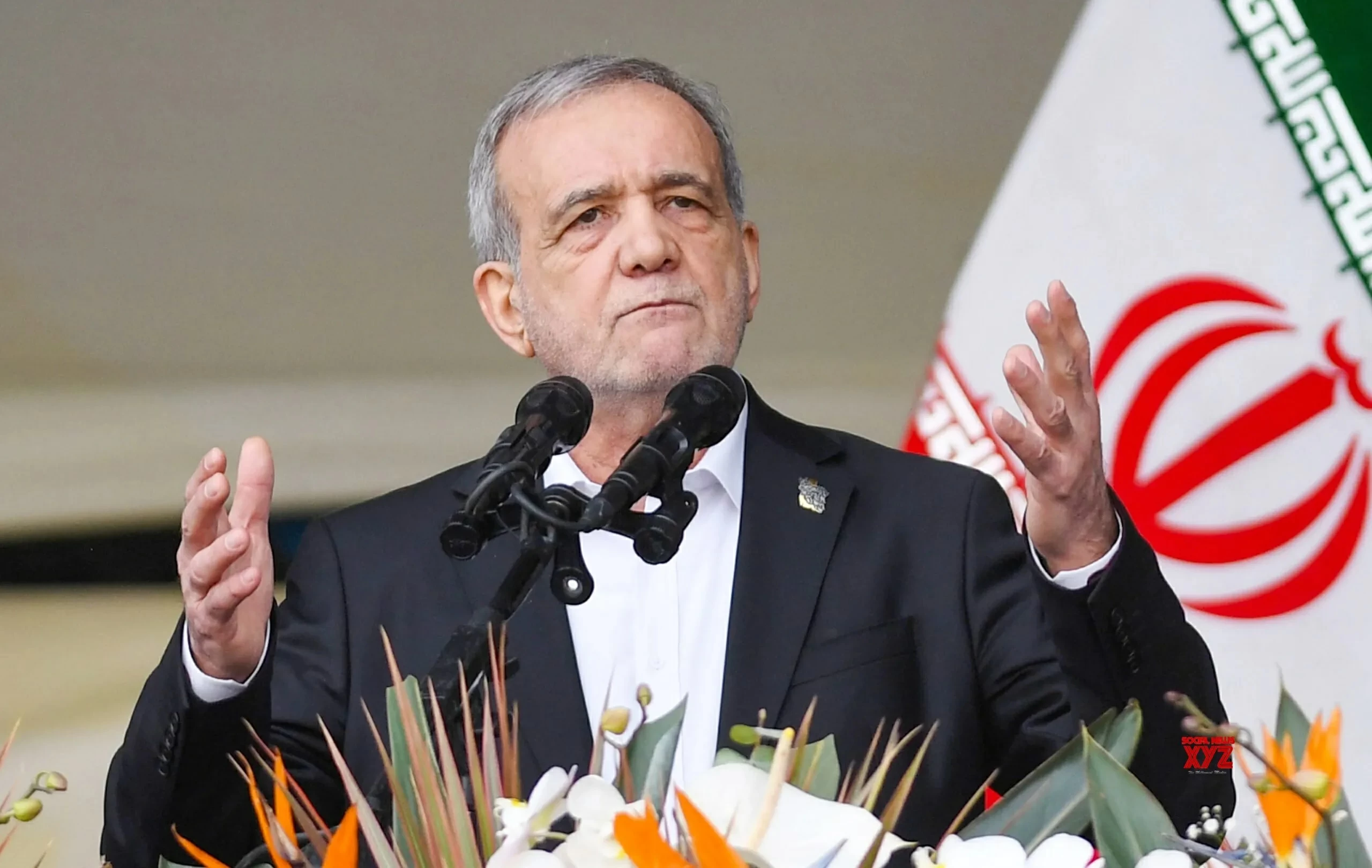
نفى الرئيس الإيراني مسعود بزشكيان الأنباء التي ترددت عن تهديده مراراً بالاستقالة، في وقت يواجه فيه ضغوطاً من تيارات متشددة تعارض التوصل إلى تسوية مع الولايات المتحدة بشأن مضيق هرمز، بحسب ما أوردت صحيفة «الغارديان».
وخلال مقابلة تلفزيونية بمناسبة مرور عامين على توليه الرئاسة، نفى بزشكيان ما تردد عن أنه عرض الاستقالة مراراً، شفهياً وخطياً، متهماً بعض الأطراف بالسعي إلى إثارة الانقسام داخل إيران. وقال: «إذا أردت الاستقالة فسأعلن ذلك رسمياً، لن أستقيل، وسأواصل موقفي».
وجاءت أنباء الاستقالة على لسان محمد باقر خرازي، المرتبط بعلاقة مصاهرة مع المرشد الإيراني مجتبى خامنئي. وقال خرازي إن بزشكيان شعر بالإحباط نتيجة استبعاده من عملية صنع القرار، وهو ما تفاقم بسبب إحجام المرشد عن الكشف عن مكان وجوده خشية أجهزة الاستخبارات الأجنبية.
وزعم خرازي أن بزشكيان لوّح بالاستقالة مرات عديدة إلى درجة دفعت خامنئي إلى تحذيره بأنه سيقبل أي تهديد جديد بالاستقالة، إلا أن مكتب المرشد نفى هذه المزاعم (الثلاثاء)، ووصفها بأنها «عارية تماماً من الصحة».
وأكد بزشكيان خلال المقابلة أنه يعمل في انسجام كامل مع المؤسسة العسكرية، وقال إن من زعموا قتل 30 ألف شخص خلال احتجاجات يناير لم يقدموا أي دليل رغم مطالبتهم بذلك.
ووصفت «الغارديان» المقابلة، التي جاءت في منتصف ولاية بزشكيان الرئاسية المضطربة، بأنها محاولة لتبديد الانطباع بأن نهجه القائم على التوافق يمثل نقطة ضعف، أو أنه جرى تهميشه من جانب قادة الحرب المنتمين إلى التيار المتشدد.
ويعد خرازي صهر مسعود خامنئي، الشقيق الأصغر للمرشد، ويقول منتقدوه إن له سجلاً في إطلاق اتهامات غير مدعومة بالأدلة، كما أنه ليس من الواضح ما إذا كان قد التقى مجتبى خامنئي منذ توليه المنصب في مارس، رغم صلاته العائلية به.
ويسلط هذا السجال الضوء على عمق الخلافات الإستراتيجية والتكتيكية داخل إيران بشأن جدوى إجراء محادثات مع الولايات المتحدة. ووصف مهدي طباطبائي، وهو مسؤول بارز في مكتب الرئيس الإيراني، تلك التقارير بأنها «محض هراء وأكاذيب».
وندد في منشور على وسائل التواصل الاجتماعي، بما وصفه بـ«تحالف خبيث من الكذب والخداع والتطرف المتهور»، معتبراً أن أعضاءه غير قادرين على تقبل نتائج العملية الديمقراطية. وأضاف: «مرت سنتان على إخفاقهم في الانتخابات الوطنية، ومع ذلك لا يزالون يسعون للانتقام من إرادة الشعب. لقد تحولوا إلى دمى في أيدي أعداء إيران».
من جانبه، قال الصحفي الإصلاحي أحمد زيد آبادي إن هذه الادعاءات تحمل طابعاً تحريضياً ولا تؤدي إلا إلى زيادة التوترات.
The Iranian President Masoud Bezhakian denied reports that he had repeatedly threatened to resign, at a time when he is facing pressure from hardline factions opposing a settlement with the United States regarding the Strait of Hormuz, according to the Guardian newspaper.
In a television interview marking two years since he took office, Bezhakian denied claims that he had offered to resign multiple times, both verbally and in writing, accusing some parties of trying to stir division within Iran. He said, "If I wanted to resign, I would announce it officially; I will not resign, and I will continue my position."
The resignation rumors came from Mohammad Baqer Khrazi, who is related by marriage to Iranian Supreme Leader Mojtaba Khamenei. Khrazi stated that Bezhakian felt frustrated due to being excluded from the decision-making process, which was exacerbated by the Supreme Leader's reluctance to reveal his whereabouts for fear of foreign intelligence agencies.
Khrazi claimed that Bezhakian had threatened to resign so many times that Khamenei warned him he would accept any new resignation threat, but the Supreme Leader's office denied these allegations (on Tuesday), describing them as "completely unfounded."
During the interview, Bezhakian confirmed that he works in complete harmony with the military establishment, stating that those who claimed 30,000 people were killed during the January protests had not provided any evidence despite being asked to do so.
The Guardian described the interview, which came in the midst of Bezhakian's tumultuous presidential term, as an attempt to dispel the impression that his consensus-based approach represents a weakness, or that he has been marginalized by hardline war leaders.
Khrazi is the son-in-law of Masoud Khamenei, the Supreme Leader's younger brother, and his critics say he has a record of making unsupported accusations. It is also unclear whether he has met Mojtaba Khamenei since taking office in March, despite his family connections.
This dispute highlights the depth of strategic and tactical disagreements within Iran regarding the feasibility of engaging in talks with the United States. Mahdi Tabatabai, a senior official in the Iranian president's office, described those reports as "sheer nonsense and lies."
In a social media post, he condemned what he called a "malicious alliance of lies, deception, and reckless extremism," considering its members unable to accept the results of the democratic process. He added, "Two years have passed since their failure in the national elections, yet they still seek to take revenge on the will of the people. They have become puppets in the hands of Iran's enemies."
For his part, reformist journalist Ahmad Zeid Abadi stated that these allegations are provocative and only serve to increase tensions.