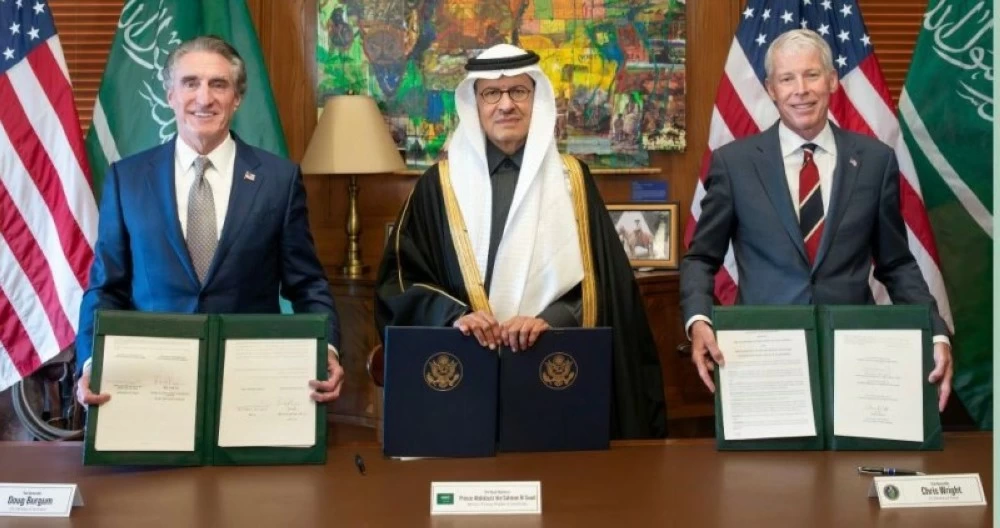
تتحرك السعودية نحو مرحلة أكثر تقدماً في مزيج الطاقة الوطني عبر اتفاقية التعاون النووي المدني مع الولايات المتحدة، وهي خطوة تضع المملكة داخل واحدة من أكبر أسواق التقنية عالية التعقيد، وتفتح الباب لاستثمارات ضخمة تُقدّر عالمياً بأكثر من 500 مليار دولار وفق وكالة الطاقة الدولية IEA – 2024.
جوهر الاتفاقية يقوم على نقل التقنيات النووية المدنية الأمريكية إلى المملكة، بما يشمل تقنيات محطات الطاقة النووية.
الأرقام العالمية تشير إلى أن بناء محطة نووية بقدرة 1.2 غيغاواط يكلف ما بين 5.6 و7.2 مليار دولار (21 – 27 مليار ريال)، وفق الرابطة العالمية للطاقة النووية (WNA).
وجود هذه التقنية داخل المملكة يعني انتقالاً من نموذج الاستيراد إلى نموذج الإنتاج والمعرفة المحلية.
وتشير بيانات وزارة الطاقة الأمريكية (DOE) إلى أن توطين التشغيل والصيانة يمكن أن يخفض التكلفة بنسبة 20 – 25٪، وهو ما يعزز كفاءة المشاريع ويقلّل الأعباء المالية طويلة المدى.
وقطاع الطاقة النووية يُعد الأعلى دخلاً عالمياً؛ فمتوسط الرواتب في الوظائف النووية يراوح بين 90,000 و125,000 دولار سنوياً (28,000 – 41,000 ريال شهرياً)، بحسب DOE Energy Workforce Report 2023.
ومع فتح المجال أمام الشركات الأمريكية للدخول إلى المشاريع السعودية، يتوقع: توليد 3,000 – 5,000 وظيفة نووية متخصصة خلال الأعوام الثلاثة الأولى، برامج تدريب وطنية بأكثر من 250 مليون ريال سنوياً، تأسيس قاعدة كوادر سعودية قادرة على تشغيل المحطات النووية وقيادة التطبيقات الإشعاعية المتقدمة.
وتشغيل محطة نووية واحدة يخفض استهلاك النفط المستخدم لإنتاج الكهرباء بـ25 – 30 مليون برميل سنوياً، بحسب بيانات IEA، ومع دخول عدة محطات في مزيج الطاقة السعودي يمكن أن يصل التوفير السنوي إلى: 30 – 40 مليار ريال من تقليل الحرق المحلي للنفط.
كما أن بناء عدة محطات نووية خلال العقد القادم يرفع حجم الاستثمارات إلى 100 – 130 مليار ريال، وفق تقديرات OECD Nuclear Energy Agency، كما يرتفع المحتوى المحلي في المشاريع من 15٪ إلى 40٪ خلال أول 5 سنوات، مع توسع سلاسل الإمداد المحلية وخلق صناعات مساندة.
فالاتفاقية ترسم مساراً جديداً للمملكة في اقتصاد عالي التقنية وتعزز مكانة السعودية كقوة طاقة متعددة المصادر، وتفتح المجال لتطوير تطبيقات نووية طبية وصناعية وزراعية تمنح المملكة قدرة على بناء شراكات بحثية وتقنية من العيار الثقيل، وتؤسس لوجود سعودي مؤثر في قطاع عالمي شديد الحساسية والتنظيم.
جاءت الاتفاقية النووية المدنية بين المملكة والولايات المتحدة كأحد أبرز مخرجات زيارة ولي العهد الأمير محمد بن سلمان إلى واشنطن، وهي زيارة حملت طابعاً إستراتيجياً مكثفاً، انعكس مباشرة على مستوى وحجم الملفات الموقّعة بين البلدين، وفي مقدمتها ملف الطاقة النووية المدنية.
Saudi Arabia is moving towards a more advanced stage in its national energy mix through the civil nuclear cooperation agreement with the United States, a step that places the Kingdom within one of the largest markets for highly complex technology and opens the door to massive investments estimated globally at over $500 billion according to the International Energy Agency (IEA) – 2024.
The essence of the agreement is based on transferring American civil nuclear technologies to the Kingdom, including technologies for nuclear power plants.
Global figures indicate that building a nuclear plant with a capacity of 1.2 gigawatts costs between $5.6 and $7.2 billion (21 – 27 billion riyals), according to the World Nuclear Association (WNA).
The presence of this technology within the Kingdom means a shift from an import model to a production and local knowledge model.
Data from the U.S. Department of Energy (DOE) indicates that localizing operations and maintenance can reduce costs by 20 – 25%, which enhances project efficiency and reduces long-term financial burdens.
The nuclear energy sector is considered the highest income-generating globally; the average salaries in nuclear jobs range between $90,000 and $125,000 annually (28,000 – 41,000 riyals monthly), according to the DOE Energy Workforce Report 2023.
With the opening of opportunities for American companies to enter Saudi projects, it is expected to generate 3,000 – 5,000 specialized nuclear jobs during the first three years, national training programs exceeding 250 million riyals annually, and the establishment of a base of Saudi personnel capable of operating nuclear plants and leading advanced radiological applications.
Operating a single nuclear plant reduces oil consumption used for electricity generation by 25 – 30 million barrels annually, according to IEA data. With several plants entering the Saudi energy mix, annual savings could reach 30 – 40 billion riyals from reduced local oil burning.
Moreover, building several nuclear plants over the next decade raises the volume of investments to 100 – 130 billion riyals, according to estimates from the OECD Nuclear Energy Agency, while the local content in projects increases from 15% to 40% over the first 5 years, with the expansion of local supply chains and the creation of supporting industries.
The agreement charts a new path for the Kingdom in a high-tech economy and enhances Saudi Arabia's position as a multi-source energy power, opening the door to the development of medical, industrial, and agricultural nuclear applications that grant the Kingdom the ability to build significant research and technological partnerships, establishing a strong Saudi presence in a highly sensitive and regulated global sector.
The civil nuclear agreement between the Kingdom and the United States emerged as one of the most prominent outcomes of Crown Prince Mohammed bin Salman's visit to Washington, a visit characterized by an intense strategic nature, which directly reflected on the level and scope of the signed files between the two countries, foremost among them the civil nuclear energy file.