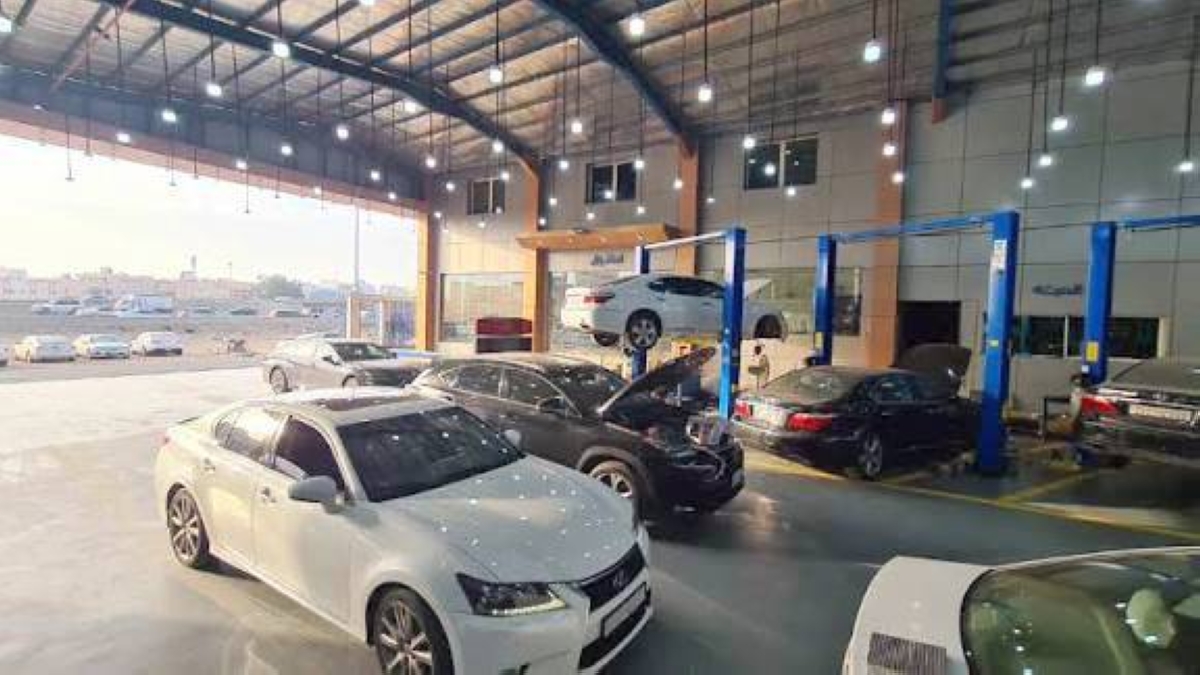
أقرّت وزارة البلديات والإسكان الاشتراطات الفنية والتشغيلية والتنظيمية الخاصة بمراكز وورش إصلاح وسائل النقل، التي شملت متطلبات الترخيص، والتصنيفات المهنية للورش، والاشتراطات المعمارية، والتجهيزات الأساسية.
و شددت الوزارة على ضرورة التزام المستثمرين بإجراءات إصدار وتجديد وتعديل وإلغاء وإيقاف الترخيص البلدي وفقًا لنظام إجراءات التراخيص البلدية ولائحته التنفيذية.
واشترطت الحصول المسبق على موافقة الدفاع المدني قبل إصدار الترخيص، وتقديم سجل تجاري ساري المفعول يتضمن الأنشطة المطلوب ترخيصها، بالإضافة إلى موافقة الجهة المشرفة على النشاط التجاري.
و بينت الوزارة أن أي مزاولة للنشاط دون ترخيص أو بعد انتهائه تُعد مخالفة، ويحظر ممارسة النشاط خارج حدود الورشة أو استخدام الأرصفة العامة أو المساحات الخارجية الملاصقة، مع منع إعادة فتح الورشة في حال إغلاقها من قبل الجهات الرقابية إلا بعد معالجة المخالفة والحصول على موافقة رسمية.
وقسّمت الوزارة ورش إصلاح وسائل النقل ضمن اشتراطاتها الجديدة إلى 5 فئات رئيسية، وذلك وفقًا لطبيعة النشاط الذي تمارسه كل ورشة، بما يضمن تنظيمًا أدق للعمل وتقديم خدمات أكثر تخصصًا للمستفيدين.
وتضمنت الفئة «أ» الورش المتخصصة في الإصلاح الشامل لكافة أنظمة المركبات الميكانيكية والكهربائية والإلكترونية، بما يشمل المحركات، وناقل الحركة، وأنظمة التعليق، إلى جانب خدمات تجهيز المركبات لكبار السن وذوي الإعاقة، والمعالجات الكيميائية مثل إزالة الصدأ وخراطة الأجزاء.
وجاءت الفئة «د» للورش المتخصصة في صيانة أجزاء محددة مثل المبادلات الحرارية «الراديترات»، والعوادم، وأنظمة التعليق الهوائي، والفرامل، وتركيب الزجاج، وتنجيد المقاعد، وتغيير الزيوت.
وأخيرًا، تضم الفئة «هـ» الورش التي تقدم خدمات فحص واستبدال البطاريات والزينة، وتُقام إما كمراكز مستقلة أو ملحقة بمنشآت تجارية.
وسمحت الوزارة بإنشاء مراكز صيانة متخصصة ومستقلة على الشوارع التجارية وفي المناطق اللوجستية، وفقاً لاشتراطات خاصة.
التزام بكود البناء
وألزمت الاشتراطات الجديدة، الورش، بالتقيد التام بكود البناء السعودي بكافة فروعه، والتي تشمل المتطلبات الإنشائية والكهربائية والميكانيكية، إلى جانب متطلبات التهوية والتكييف، والمتطلبات الصحية، والترشيد في استهلاك الطاقة.
وأكدت الوزارة ضرورة اعتماد كافة أعمال التصميم والتنفيذ من قبل مكاتب هندسية ومقاولين مرخصين، مع الالتزام الكامل بالمواصفات القياسية المعتمدة في جميع المراحل.
وشددت على منع إزالة ملصقات الإغلاق أو إعادة فتح الورشة دون تصريح رسمي، وألزمت أصحاب الورش بالحفاظ على واجهة المنشأة خالية من أي ملصقات غير نظامية، عدا الملصقات المعتمدة مثل أوقات العمل، ووسائل الدفع، والرمز الإلكتروني «QR»، وتعليمات الجهات الرسمية، و منع إغلاق أو إشغال المواقف المخصصة ضمن رخصة البناء أو استخدامها لأغراض مخالفة، مع التشديد على ضرورة إيقاف المركبات داخل حدود الورشة وعدم التسبب في إشغال الطرقات أو الأرصفة المجاورة.
التجهيز بالمعدات والمرافق
ونصّت الاشتراطات على ضرورة تجهيز الورش بالمعدات والمرافق اللازمة حسب نوع النشاط المصرّح به، وفقًا للائحة الفنية لتصنيف مراكز إصلاح وصيانة المركبات.
وتشمل التجهيزات المقترحة أدوات قياس الانبعاثات الصادرة من المركبات، معدات شحن بطاريات السيارات، وأدوات الرفع والنقل للمعدات الثقيلة داخل الورشة، وصندوق إسعافات أولية.
وشددت الوزارة على أهمية توفير معدات خاصة للتعامل مع الانسكابات والزيوت، بما في ذلك المواد الممتصة للسوائل، وضمان تنظيف أي تسرب فورًا وإعادة الحالة لما كانت عليه قبل التسريب.
وسائل دفع إلكتروني
و أكدت الاشتراطات على توفير نظام متكامل لمعالجة الزيوت يشمل حاجزًا خاصًا لمنع تسربها إلى شبكة الصرف الصحي، مع ضرورة فحص الحاجز دوريًا كل 3 أشهر على الأقل، وتنظيفه بانتظام لمنع تراكم الرواسب.
ويُشترط جمع الزيوت المستعملة داخل خزان مخصص، والتخلص منها عبر شركات إعادة التدوير أو الناقلين المعتمدين، إلى جانب توفير أدوات تنظيف متخصصة لإزالة آثار التسرب فورًا، و تركيب كاميرات مراقبة أمنية داخل الورش، وأنظمة كشف وإنذار مبكر للحريق، مع الالتزام الكامل بتعليمات الدفاع المدني.
وألزمت الورش بتوفير وسائل الدفع الإلكتروني لجميع العملاء كجزء من التحول الرقمي وتحسين تجربة المستفيد.
The Ministry of Municipalities and Housing has approved the technical, operational, and regulatory requirements for transportation repair centers and workshops, which include licensing requirements, professional classifications for workshops, architectural conditions, and basic equipment.
The ministry emphasized the necessity for investors to adhere to the procedures for issuing, renewing, amending, canceling, and suspending municipal licenses in accordance with the municipal licensing procedures system and its executive regulations.
It was stipulated that prior approval from the Civil Defense must be obtained before issuing the license, and a valid commercial registration must be provided that includes the activities requiring licensing, in addition to approval from the supervising authority for the commercial activity.
The ministry indicated that any practice of activity without a license or after its expiration is considered a violation, and practicing the activity outside the workshop boundaries or using public sidewalks or adjacent outdoor spaces is prohibited, along with preventing the reopening of the workshop if it has been closed by regulatory authorities unless the violation is rectified and official approval is obtained.
The ministry categorized transportation repair workshops under its new requirements into 5 main categories, according to the nature of the activity practiced by each workshop, ensuring more precise organization of work and providing more specialized services to beneficiaries.
Category "A" includes workshops specialized in comprehensive repair of all mechanical, electrical, and electronic vehicle systems, including engines, transmissions, suspension systems, as well as services for equipping vehicles for the elderly and people with disabilities, and chemical treatments such as rust removal and part machining.
Category "B" includes workshops concerned with light mechanical and electrical repairs, simple electronics maintenance, and air conditioning systems, while Category "C" is designated for workshops that repair external bodies and perform repainting and polishing.
Category "D" is for workshops specialized in maintaining specific parts such as heat exchangers ("radiators"), exhausts, air suspension systems, brakes, glass installation, seat upholstery, and oil changes.
Finally, Category "E" includes workshops that provide battery inspection and replacement services, and are established either as independent centers or affiliated with commercial establishments.
The ministry allowed the establishment of specialized and independent maintenance centers on commercial streets and in logistical areas, according to specific requirements.
Compliance with Building Code
The new requirements mandated workshops to fully comply with the Saudi Building Code in all its branches, which include structural, electrical, and mechanical requirements, in addition to ventilation and air conditioning requirements, health requirements, and energy consumption rationalization.
The ministry confirmed the necessity of approving all design and implementation works by licensed engineering offices and contractors, with full adherence to the approved standard specifications at all stages.
It emphasized the prohibition of removing closure stickers or reopening the workshop without official permission, and required workshop owners to keep the facility's facade free of any unauthorized stickers, except for approved stickers such as working hours, payment methods, QR codes, official instructions, and prohibited the closure or occupation of parking spaces designated within the building license or using them for unauthorized purposes, stressing the necessity of stopping vehicles within the workshop boundaries and not causing obstruction on adjacent roads or sidewalks.
Equipment and Facilities Preparation
The requirements stipulated the necessity of equipping workshops with the necessary equipment and facilities according to the type of authorized activity, in accordance with the technical regulations for classifying vehicle repair and maintenance centers.
The proposed equipment includes emission measurement tools from vehicles, car battery charging equipment, lifting and transporting tools for heavy equipment within the workshop, and a first aid kit.
The ministry stressed the importance of providing special equipment to deal with spills and oils, including absorbent materials, and ensuring that any leakage is cleaned up immediately and restoring the condition to what it was before the spill.
Electronic Payment Methods
The requirements confirmed the provision of a comprehensive system for oil treatment that includes a special barrier to prevent its leakage into the sewage system, with the necessity of inspecting the barrier periodically at least every 3 months and cleaning it regularly to prevent sediment accumulation.
Used oils must be collected in a designated tank and disposed of through recycling companies or approved carriers, in addition to providing specialized cleaning tools to remove spill traces immediately, installing security surveillance cameras inside the workshops, and early fire detection and alarm systems, with full compliance with Civil Defense instructions.
Workshops are required to provide electronic payment methods for all customers as part of the digital transformation and improving the beneficiary experience.