توسع استخدام الذكاء الاصطناعي في شتى مجالات الحياة؛ لما يتميز به من دقة وسرعة الإنجاز، الأمر الذي ينعكس على جودة الحياة والاستفادة من التقنيات في خدمة الإنسان وتطوير أساليبه وتعامله مع محيطه، وتأتي مدينة الجبيل الصناعية ضمن أكبر منظومة ري متكاملة وذكية على مستوى العالم، وتُدار من مركز تحكم موحد يضم أكثر من 12200 جهاز ذكي، يعالج نحو 1.2 مليون إشارة يومياً، لتمثل نموذجاً وطنياً متقدماً لتحقيق مستهدفات رؤية المملكة 2030 في الاستدامة البيئية، وتعزيز التحول الرقمي في إدارة الموارد، وتفعيل المدن الذكية بكفاءة عالية.
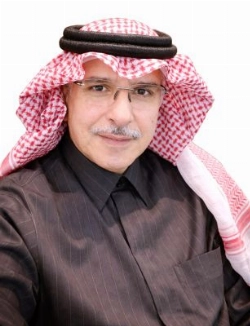
وأوضح رئيس قسم تشغيل وصيانة شبكات الري بالهيئة الملكية بالجبيل المهندس سفر النتيفات أن الهيئة تمكنت بتقنيات الري الذكي من إدارة شبكة ري ضخمة تمتد لأكثر من 11.6 ألف كيلومتر طولي، أي ما يعادل أكثر من ربع طول خط الاستواء، مشيراً إلى أن هذه المنظومة أسهمت في خفض تكاليف التشغيل والصيانة بما يتجاوز 35%، كما دعمت الاستدامة من خلال إعادة تدوير المياه المعالجة لاستخدامها في الري، بكمية تقارب 2.8 مليون متر مكعب شهرياً، إلى جانب تحقيق تحسن واضح في كفاءة التشغيل وتقليل الإنفاق.
وأضاف أن هذه المنظومة تمثل إحدى التجارب الوطنية المميزة المتوافقة مع أهداف مبادرتي السعودية الخضراء والشرق الأوسط الأخضر، وذلك عبر ترشيد استهلاك الموارد الطبيعية، وزيادة الغطاء النباتي، وتعزيز جهود مواجهة التغير المناخي في المنطقة.
وأكد تطلع الهيئة الملكية بالجبيل وينبع إلى تعزيز التعاون مع الجهات والهيئات والقطاعات الحكومية لمشاركة هذه التجربة الناجحة وتوسيع نطاق أثرها.
The use of artificial intelligence has expanded across various fields of life due to its precision and speed of execution, which reflects on the quality of life and the benefits of technologies in serving humanity and developing its methods and interactions with its environment. The city of Jubail Industrial is part of the largest integrated and smart irrigation system in the world, managed from a unified control center that includes more than 12,200 smart devices, processing about 1.2 million signals daily, representing an advanced national model to achieve the objectives of the Kingdom's Vision 2030 in environmental sustainability, enhancing digital transformation in resource management, and activating smart cities with high efficiency.
The head of the irrigation networks operation and maintenance department at the Royal Commission in Jubail, Engineer Safar Al-Natifat, explained that the commission has managed, through smart irrigation technologies, a massive irrigation network extending over more than 11,600 kilometers in length, which is equivalent to more than a quarter of the equatorial line. He pointed out that this system has contributed to reducing operational and maintenance costs by more than 35%, and has supported sustainability by recycling treated water for irrigation purposes, with a quantity approaching 2.8 million cubic meters monthly, in addition to achieving a clear improvement in operational efficiency and reducing spending.
He added that this system represents one of the distinguished national experiences aligned with the objectives of the Saudi Green Initiative and the Middle East Green Initiative, through rationalizing the consumption of natural resources, increasing vegetation cover, and enhancing efforts to combat climate change in the region.
The Royal Commission in Jubail and Yanbu is keen to enhance cooperation with government entities, agencies, and sectors to share this successful experience and expand its impact.