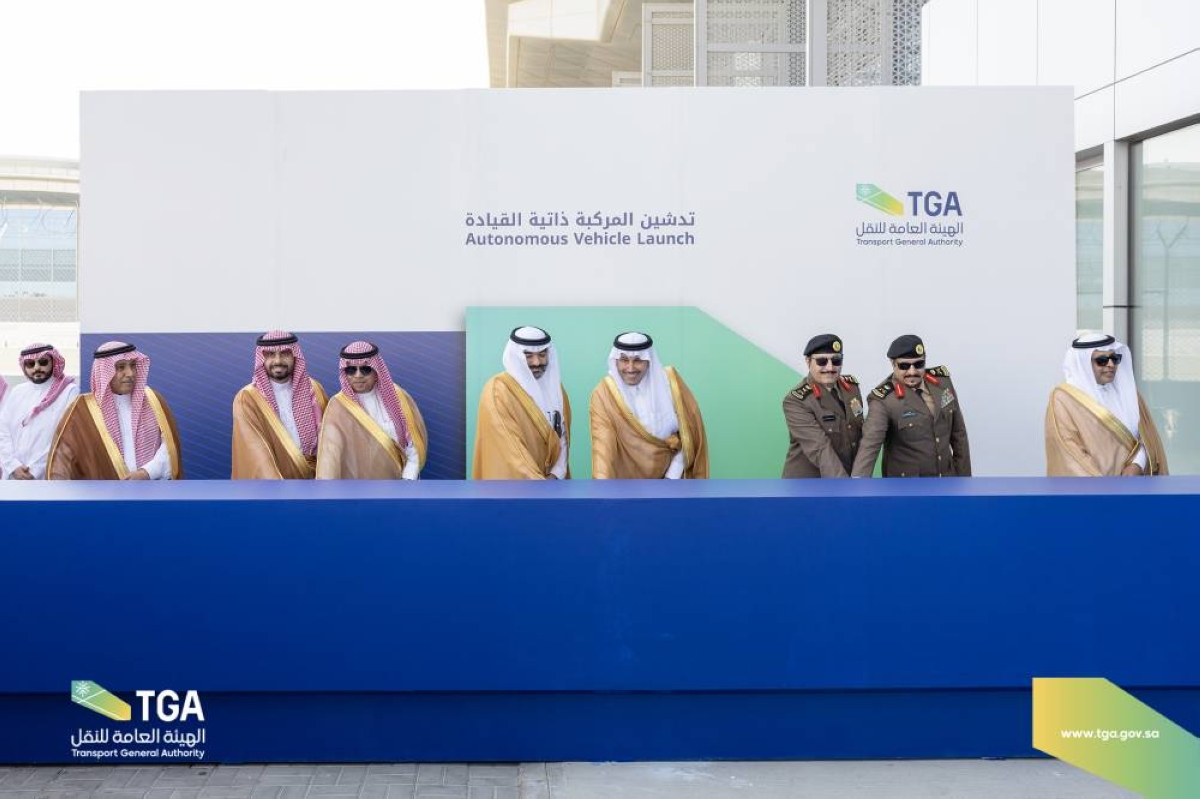
دشّن وزير النقل والخدمات اللوجستية رئيس مجلس إدارة الهيئة العامة للنقل المهندس صالح بن ناصر الجاسر في مدينة الرياض اليوم، المرحلة التطبيقية الأولية للمركبات ذاتية القيادة، في خطوة نوعية تهدف إلى تمكين التقنية والتوسع في تطبيق وتطوير منظومة ذكية وآمنة لقطاع النقل في المملكة، ضمن توجهات الإستراتيجية الوطنية للنقل والخدمات اللوجستية، وامتدادًا لرؤية المملكة 2030 نحو تبني حلول تنقل مستدامة تعتمد على أحدث ما توصلت إليه تقنيات الذكاء الاصطناعي.
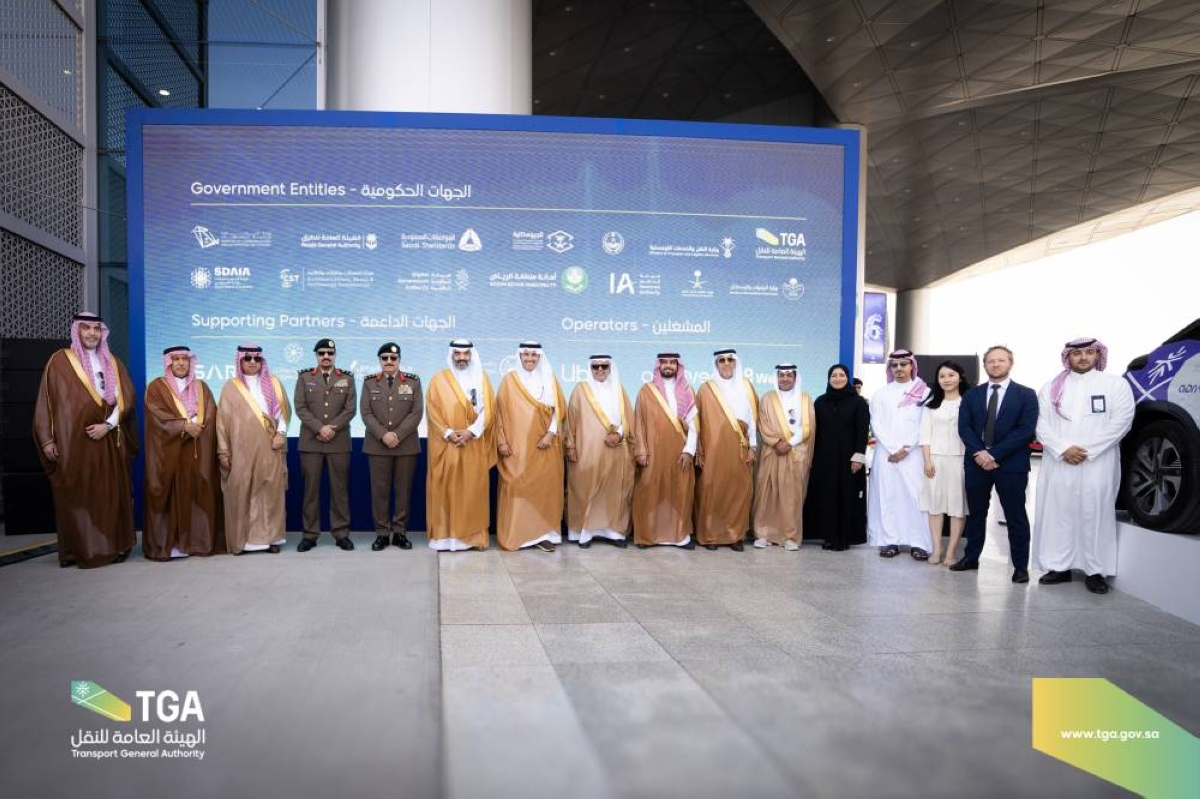
ويأتي هذا المشروع ثمرة شراكة تكاملية جمعت منظومة النقل والخدمات اللوجستية والجهات ذات العلاقة، بما يشمل وزارة الداخلية، ومنظومة الاقتصاد الرقمي والفضاء والابتكار، والهيئة السعودية للبيانات والذكاء الاصطناعي (سدايا)، والهيئة العامة للمساحة والمعلومات الجيومكانية، والهيئة السعودية للمواصفات والمقاييس والجودة، إلى جانب القطاع الخاص ممثلًا بشركاء التقنية والتشغيل أوبر، وWeRide، وAiDriver.
وتنطلق المركبات ذاتية القيادة في هذه المرحلة ضمن بيئة تشغيلية واقعية تغطي مطار الملك خالد الدولي وعددًا من المواقع الحيوية في مدينة الرياض، وتشمل طرقًا سريعة ووجهات مختارة في وسط المدينة.
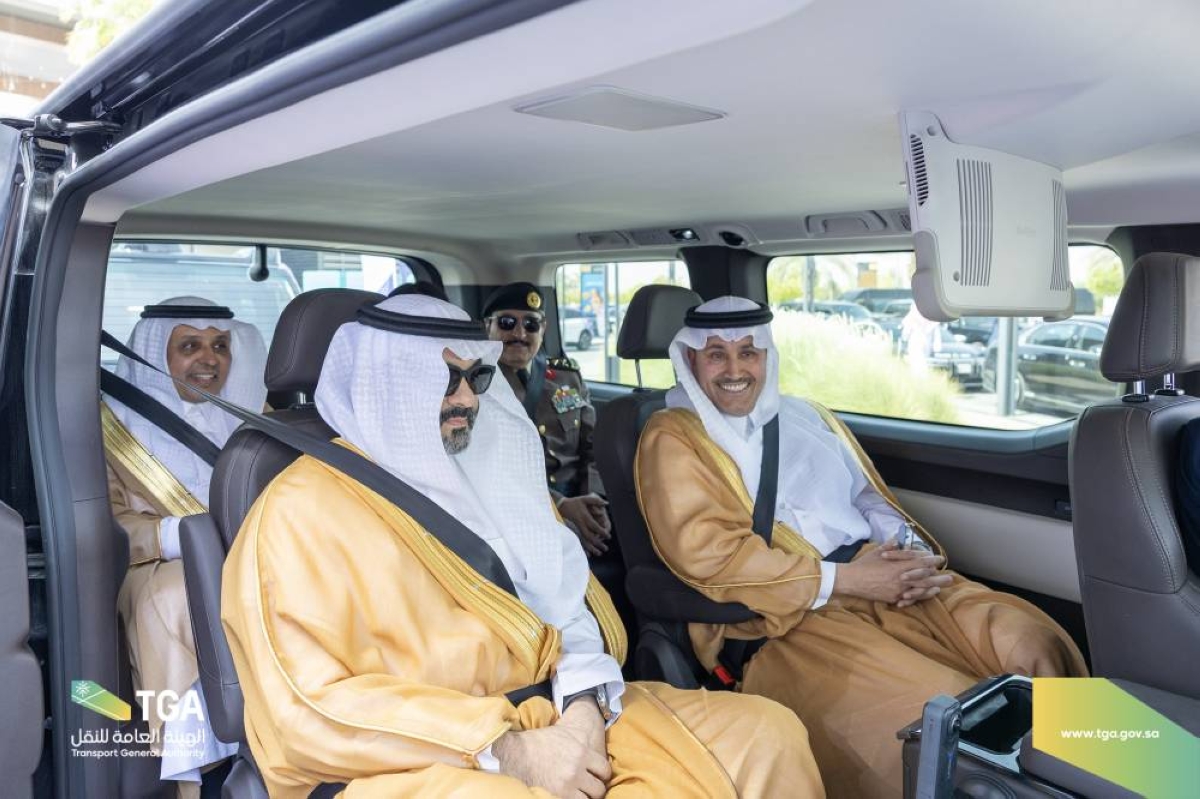
وتُنفذ المرحلة تحت إشراف تنظيمي وفني مباشر من الهيئة العامة للنقل، وتعمل المركبات خلال هذه المرحلة على نقل الركاب مع وجود مسؤول أمان داخل كل مركبة، لضمان السلامة ومتابعة أداء الأنظمة الذكية في الظروف الفعلية.
وأكّد المهندس صالح بن ناصر الجاسر أن إطلاق هذه المرحلة التطبيقية الأولية يُجسد الرؤية الطموحة للمملكة نحو بناء منظومة نقل ذكية ومتكاملة تدعم النمو الاقتصادي وتحسّن جودة الحياة، مشيرًا إلى أن تمكين التقنيات الحديثة وتطوير الأطر التنظيمية والتشغيلية يمثلان محورًا رئيسيًا للتوسع في تطبيق هذه التقنية ويدعم التحول الذي يشهده قطاع النقل، وامتدادًا لجهود المملكة نحو تعزيز الاستدامة، ورفع كفاءة التنقل، وتوطين الابتكار، مؤكدًا أن هذا المشروع يُعد نموذجًا يُحتذى به في الشراكة بين القطاعين العام والخاص نحو مستقبل تنقل أكثر ذكاءً وأمانًا.
The Minister of Transport and Logistics Services, Chairman of the Board of Directors of the Public Transport Authority, Engineer Saleh bin Nasser Al-Jasser, inaugurated today in Riyadh the initial practical phase of self-driving vehicles, in a qualitative step aimed at enabling technology and expanding the application and development of a smart and safe transportation system in the Kingdom, in line with the national strategy for transport and logistics services, and as part of the Kingdom’s Vision 2030 towards adopting sustainable mobility solutions based on the latest advancements in artificial intelligence technologies.
This project is the result of a complementary partnership that brought together the transport and logistics services system and relevant entities, including the Ministry of Interior, the digital economy, space and innovation system, the Saudi Data and Artificial Intelligence Authority (SDAIA), the General Authority for Survey and Geospatial Information, and the Saudi Standards, Metrology and Quality Organization, alongside the private sector represented by technology and operational partners Uber, WeRide, and AiDriver.
The self-driving vehicles in this phase operate within a real operational environment covering King Khalid International Airport and several vital locations in Riyadh, including highways and selected destinations in the city center.
This phase is implemented under direct regulatory and technical supervision from the Public Transport Authority, and the vehicles during this phase transport passengers with a safety officer present in each vehicle, to ensure safety and monitor the performance of smart systems under actual conditions.
Engineer Saleh bin Nasser Al-Jasser confirmed that the launch of this initial practical phase embodies the Kingdom's ambitious vision towards building an intelligent and integrated transport system that supports economic growth and improves the quality of life, noting that enabling modern technologies and developing regulatory and operational frameworks represent a key focus for expanding the application of this technology and support the transformation witnessed in the transport sector, extending the Kingdom's efforts to enhance sustainability, improve mobility efficiency, and localize innovation, emphasizing that this project is a model to be emulated in the partnership between the public and private sectors towards a smarter and safer mobility future.