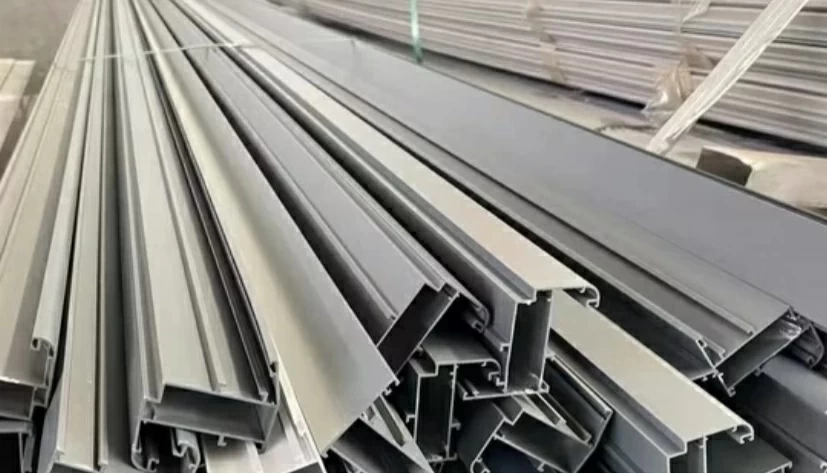
واصلت أسعار الألمنيوم ارتفاعها لليوم السابع على التوالي، مع تلاشي الآمال في التوصل سريعاً إلى اتفاق يعيد فتح مضيق هرمز، ما أثار مخاوف من استمرار القيود على إمدادات الشرق الأوسط في المستقبل المنظور.
ارتفعت أسعار الألمنيوم 0.6% إلى 3,337 دولاراً للطن، بينما صعد النحاس 0.1%، في حين تراجعت بقية المعادن.
وارتفعت العقود الآجلة في لندن بما يصل إلى 1%، مسجلة أعلى مستوى منذ 23 يونيو الماضي، بعدما طرح الرئيس الأمريكي دونالد ترمب سلسلة من المطالب الجديدة على إيران، من بينها دفع تعويضات عن الأشخاص الذين قتلتهم طهران.
تعثر المفاوضات
يشير تشدد مواقف الجانبين إلى أن الطريق نحو التوصل إلى اتفاق قد يطول، ما يقلص الآمال في عودة إمدادات الألمنيوم إلى مستوياتها الطبيعية، في ظل بقاء المخزونات العالمية قرب أدنى مستوياتها منذ عقود. وكانت المنطقة تستحوذ على نحو عُشر الإنتاج العالمي قبل الحرب.
موجة صعود
قفزت أسعار الألمنيوم في الأيام الأولى للحرب، قبل أن تتراجع مع بدء المفاوضات بين الولايات المتحدة وإيران، لكنها عادت إلى الارتفاع لاحقاً، محققة مكاسب تجاوزت 8% منذ نهاية يونيو، مع استمرار المحادثات الرامية إلى إنهاء الحرب لفترة أطول، وتراجعت رهانات المستثمرين على رفع أسعار الفائدة الأمريكية، ما عزز موجة صعود أوسع في أسواق المعادن الأساسية.
شح المخزونات
في الوقت نفسه، واصلت مخزونات الألمنيوم في مستودعات بورصة لندن للمعادن تراجعها منذ بداية العام، لتقترب حالياً من ربع مليون طن، وهو أدنى مستوى منذ نوفمبر 1990، رغم الإمدادات الجديدة القادمة من الصين وإندونيسيا.
Aluminum prices continued to rise for the seventh consecutive day, as hopes faded for a quick agreement to reopen the Strait of Hormuz, raising concerns about the continued restrictions on Middle Eastern supplies in the foreseeable future.
Aluminum prices rose by 0.6% to $3,337 per ton, while copper increased by 0.1%, whereas other metals declined.
Futures in London rose by up to 1%, reaching the highest level since June 23, after U.S. President Donald Trump put forward a series of new demands on Iran, including compensation for those killed by Tehran.
Negotiation Stalemate
The rigidity of both sides' positions indicates that the path to reaching an agreement may be lengthy, reducing hopes for a return of aluminum supplies to their normal levels, as global inventories remain near their lowest levels in decades. The region accounted for about one-tenth of global production before the war.
Surge Wave
Aluminum prices jumped in the early days of the war, before declining as negotiations between the U.S. and Iran began, but they rose again later, achieving gains of over 8% since the end of June, as talks aimed at ending the war continued for a longer period, and investors' bets on raising U.S. interest rates decreased, which bolstered a broader upward wave in base metal markets.
Supply Shortage
At the same time, aluminum inventories in London Metal Exchange warehouses have continued to decline since the beginning of the year, currently approaching a quarter of a million tons, the lowest level since November 1990, despite new supplies coming from China and Indonesia.