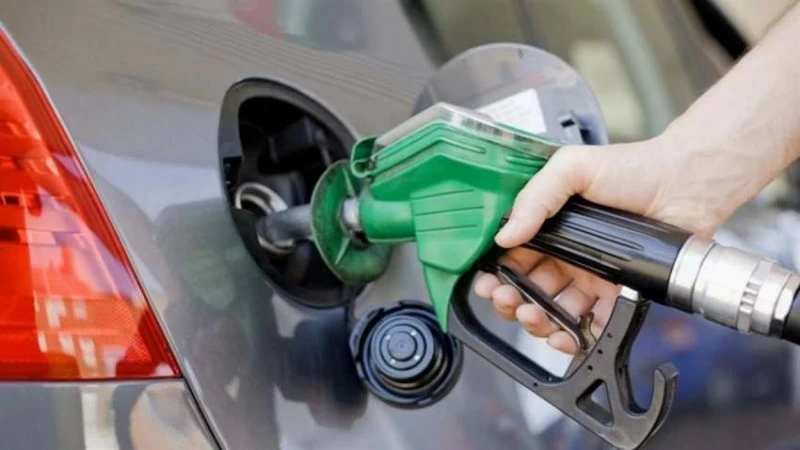
أعلنت تايلند رفع أسعار الديزل بمقدار 2.80 بات للتر الواحد، ابتداءً من اليوم، نتيجة خفض الدعم الحكومي المخصص للوقود.
وجاء هذا الارتفاع بعد قرار لجنة إدارة صندوق وقود النفط الحكومي تقليص دعم الصندوق لأسعار الديزل بمقدار 2.61 بات للتر، إذ انخفض الدعم من 20.71 بات إلى 18.10 بات للتر بالنسبة لديزل (بي 7)، ومن 22.22 بات إلى 19.61 بات للتر بالنسبة لديزل (بي 20).
السعر الجديد
وسيتم تفعيل السعر الجديد لديزل (بي 7) ليصبح 50.54 بات للتر بدلاً من 47.74 بات، بينما سيرتفع سعر ديزل (بي 20) من 42.74 بات إلى 45.54 بات للتر.
وتأتي هذه الأسعار خاصة بالعاصمة بانكوك ولا تشمل الضرائب المحلية، في حين تقرر الإبقاء على أسعار البنزين دون أي تغيير.
وكانت وزارة الطاقة التايلندية قد أعلنت في وقت سابق أنها ستعيد حساب تكاليف تكرير وتسويق النفط بحلول 6 أبريل الجاري، كجزء من جهود الحكومة للسيطرة على ارتفاع أسعار الوقود، حسب تصريح وزير المالية إكنيتي نيتيثانبراباس أخيراً.
تأثير الزيادة
وأوضح وزير المالية أن هذه الحسابات الجديدة ستعرض على مجلس الوزراء، ومن المتوقع أن تؤدي إلى خفض أسعار الطاقة، كما تم تعيين إكنيتي رئيساً للجنة جديدة لمراجعة هيكل تكاليف الوقود وآليات التسعير.
وأشار الوزير إلى أن الحسابات الحالية المتعلقة بالتكرير قد تكون مرتفعة، ما يجعل أسعار المضخة للمستهلكين أعلى من اللازم.
وطلبت الحكومة من وزارة الطاقة إعادة حساب تكاليف التكرير والتسويق المناسبة، والتحقق من تأثير الزيادة المرتبطة بالحرب، ووضع آلية لضمان خفض التكاليف.
وأعلن رئيس الوزراء أنوتين تشارنفيراكول أن الحكومة ستدرس جميع الإجراءات الممكنة لتخفيف عبء ارتفاع أسعار النفط على المواطنين، مع ضمان وجود آليات لمنع تخزين الوقود أو المضاربة به.
Thailand has announced an increase in diesel prices by 2.80 baht per liter, starting today, due to a reduction in government subsidies allocated for fuel.
This increase follows the decision of the government oil fund management committee to reduce the fund's support for diesel prices by 2.61 baht per liter, as the subsidy decreased from 20.71 baht to 18.10 baht per liter for diesel (B7), and from 22.22 baht to 19.61 baht per liter for diesel (B20).
The new price
The new price for diesel (B7) will be activated at 50.54 baht per liter instead of 47.74 baht, while the price of diesel (B20) will rise from 42.74 baht to 45.54 baht per liter.
These prices are specific to the capital, Bangkok, and do not include local taxes, while it has been decided to keep gasoline prices unchanged.
The Thai Ministry of Energy had previously announced that it would recalculate the costs of refining and marketing oil by April 6, as part of the government's efforts to control rising fuel prices, according to a recent statement by Finance Minister Arkhom Termpittayapaisith.
Impact of the increase
The Finance Minister explained that these new calculations will be presented to the Cabinet, and are expected to lead to a reduction in energy prices. Arkhom has also been appointed as the head of a new committee to review the structure of fuel costs and pricing mechanisms.
The minister indicated that the current refining calculations may be inflated, causing pump prices for consumers to be higher than necessary.
The government has requested the Ministry of Energy to recalculate appropriate refining and marketing costs, assess the impact of the increase related to the war, and establish a mechanism to ensure cost reductions.
Prime Minister Anutin Charnvirakul announced that the government will consider all possible measures to alleviate the burden of rising oil prices on citizens, while ensuring mechanisms are in place to prevent fuel hoarding or speculation.