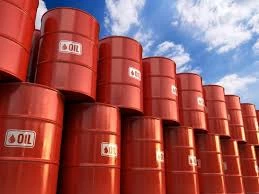
أعلن مسؤول أردني أن بلاده استوردت مليوني برميل نفط من شركة أرامكو السعودية عبر ميناء ينبع على البحر الأحمر.
وقال المسؤول في تصريحات مع قناة «العربية» اليوم: «شحنات الغاز المسال تصلنا من ميناء ينبع باستمرار ودون مشكلات».
وتضخ «أرامكو السعودية» الخام عبر خط أنابيب شرق-غرب إلى ينبع للحفاظ على تدفق الإمدادات وتعويض التوقف شبه الكامل لمضيق هرمز بسبب الصراع.
خط شرق - غرب
وذكرت «أرامكو» في العاشر من مارس الماضي أنها يمكنها ضخ ما يصل إلى 7 ملايين برميل يومياً عبر خط الأنابيب، منها نحو 5 ملايين برميل يومياً يمكن توفيرها للتصدير مع إمداد المصافي المحلية بالباقي.
يأتي ذلك فيما اقتربت صادرات الخام السعودي عبر ميناء ينبع من بلوغ الطاقة القصوى للميناء، إذ سلطت الحرب الحالية الضوء مجدداً على الأهمية الإستراتيجية لخط أنابيب شرق-غرب في السعودية، الذي يمتد لمسافة 1200 كيلومتر. وقد أُنشئ هذا الخط في ثمانينيات القرن الماضي عقب المخاوف من إغلاق المضيق خلال حرب الناقلات بين إيران والعراق، ويُعد اليوم شرياناً حيوياً ينقل نحو 7 ملايين برميل يومياً إلى ميناء ينبع على البحر الأحمر، متجاوزاً مضيق هرمز بالكامل.
A Jordanian official announced that his country imported two million barrels of oil from Saudi Aramco via the port of Yanbu on the Red Sea.
The official stated in remarks to Al Arabiya channel today: "LNG shipments are continuously arriving from the port of Yanbu without any issues."
Saudi Aramco pumps crude oil through the East-West pipeline to Yanbu to maintain supply flow and compensate for the near-total shutdown of the Strait of Hormuz due to the conflict.
East-West Pipeline
Aramco mentioned on March 10 that it can pump up to 7 million barrels per day through the pipeline, of which about 5 million barrels per day can be allocated for export while supplying the local refineries with the remainder.
This comes as Saudi crude oil exports via the port of Yanbu are nearing the port's maximum capacity, as the current war has once again highlighted the strategic importance of the East-West pipeline in Saudi Arabia, which stretches for 1,200 kilometers. This pipeline was established in the 1980s following concerns about the closure of the strait during the tanker war between Iran and Iraq, and it is now a vital artery transporting about 7 million barrels per day to the port of Yanbu on the Red Sea, completely bypassing the Strait of Hormuz.