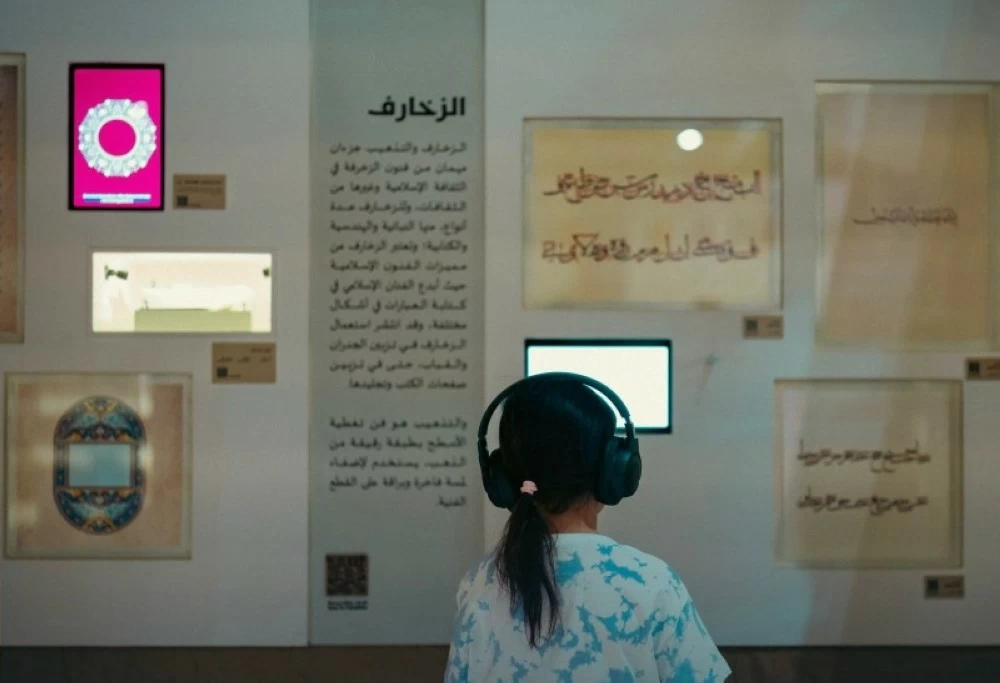
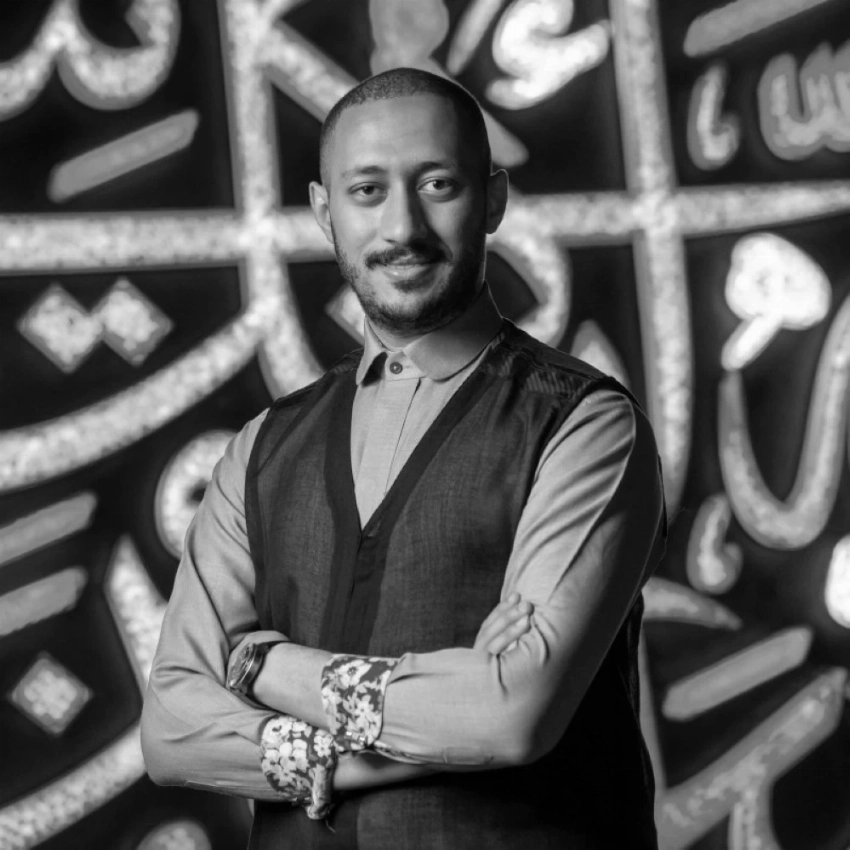
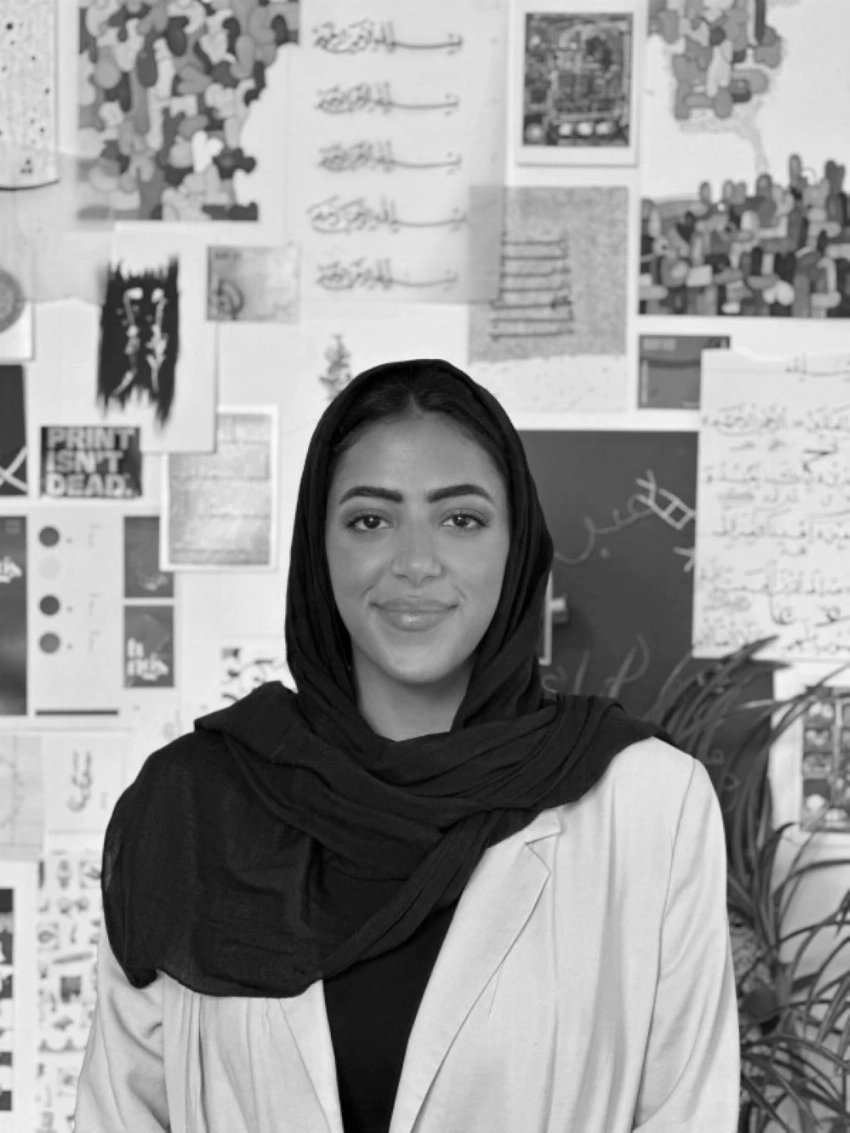
تواصل الفنون التقليدية رحلتها في التفاعل مع الحاضر والمستقبل، إذ أطلقت مبادرة مركز الأمير محمد بن سلمان العالمي للخط العربي النسخة الثانية من برنامج إقامة دار القلم، لتكون مساحة إبداعية للفنانين والخطاطين لاستكشاف فن الخط العربي وإعادة قراءته في سياق معاصر. ويأتي البرنامج ضمن مبادرات وزارة الثقافة ويهدف إلى تعزيز الحوار الفني والتجريب، مع التركيز على تطورات هذا الفن العريق وابتكاراته الحديثة.
ويمتد برنامج الإقامة على مدى ثمانية أسابيع في جدة التاريخية، بمشاركة 10 فنانين وخطاطين سعوديين ودوليين، يعملون على مشاريع فردية وتعاونية ضمن بيئة فنية محفزة، تُختتم بفعالية المرسم المفتوح التي تتيح للجمهور متابعة نتاج المشاركين وتجاربهم الإبداعية.
ويرتكز البرنامج على أربعة محاور رئيسية تشمل دراسة الأصول التقليدية للخط العربي والفنون المصاحبة له، واستكشاف الممارسات المعاصرة وتطوراته، إلى جانب استشراف آفاق الابتكار المستقبلي في هذا المجال.
كما يشارك الفنانون في ورش عمل متقدمة، وجلسات نقدية، ولقاءات إرشادية فردية، وجولات ثقافية وزيارات ميدانية لمراسم الفنانين والخبراء المحليين، لتعزيز التبادل المعرفي وتوسيع التجربة البحثية والفنية.
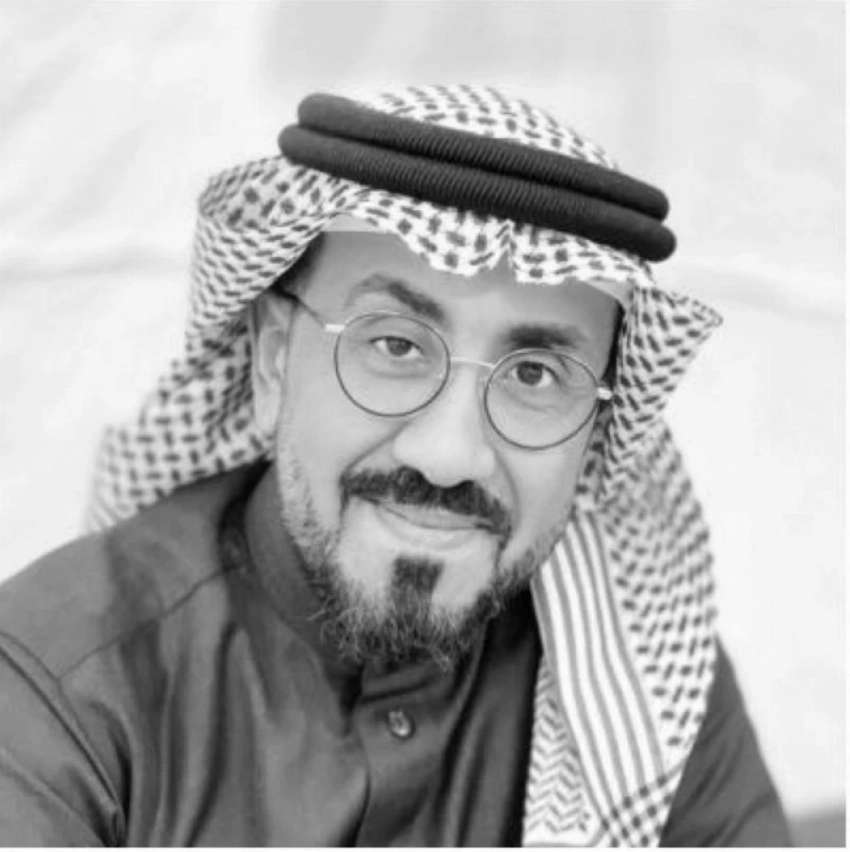
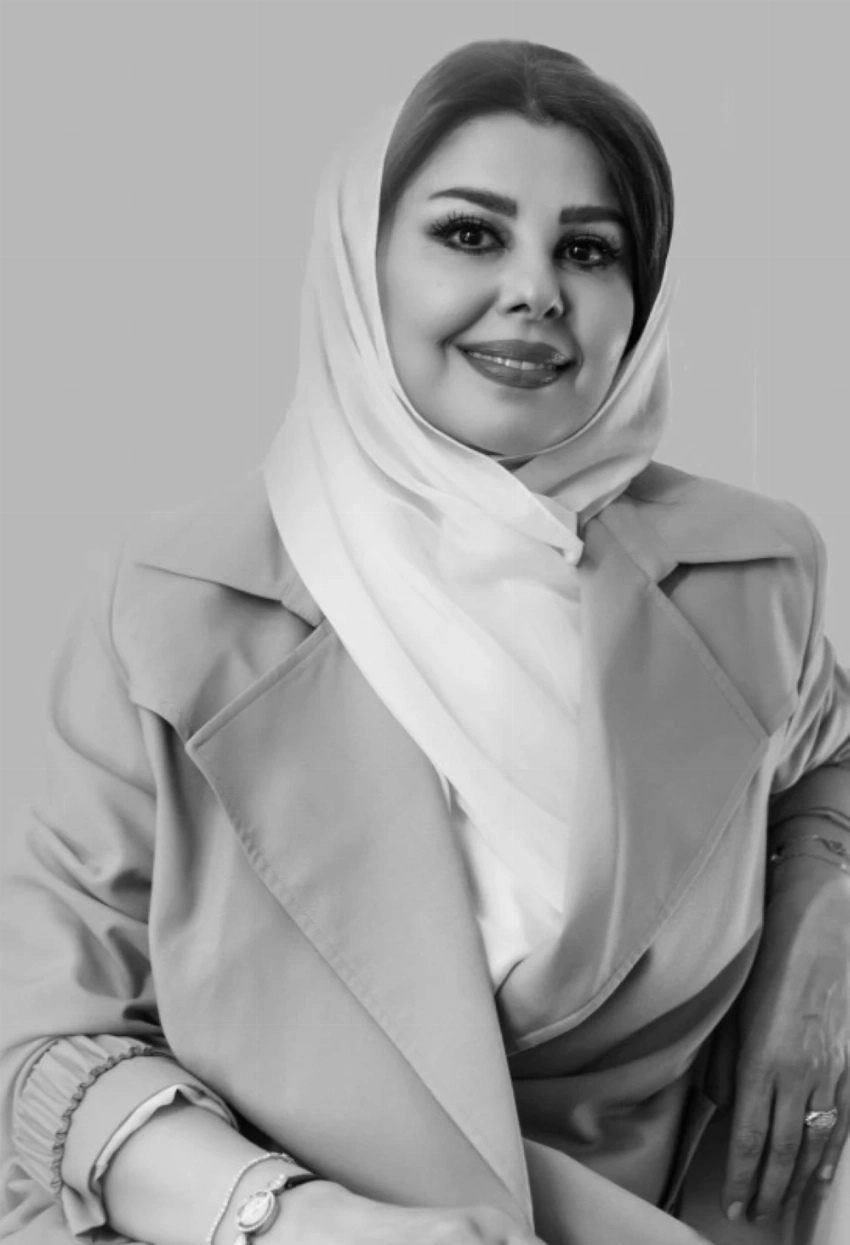
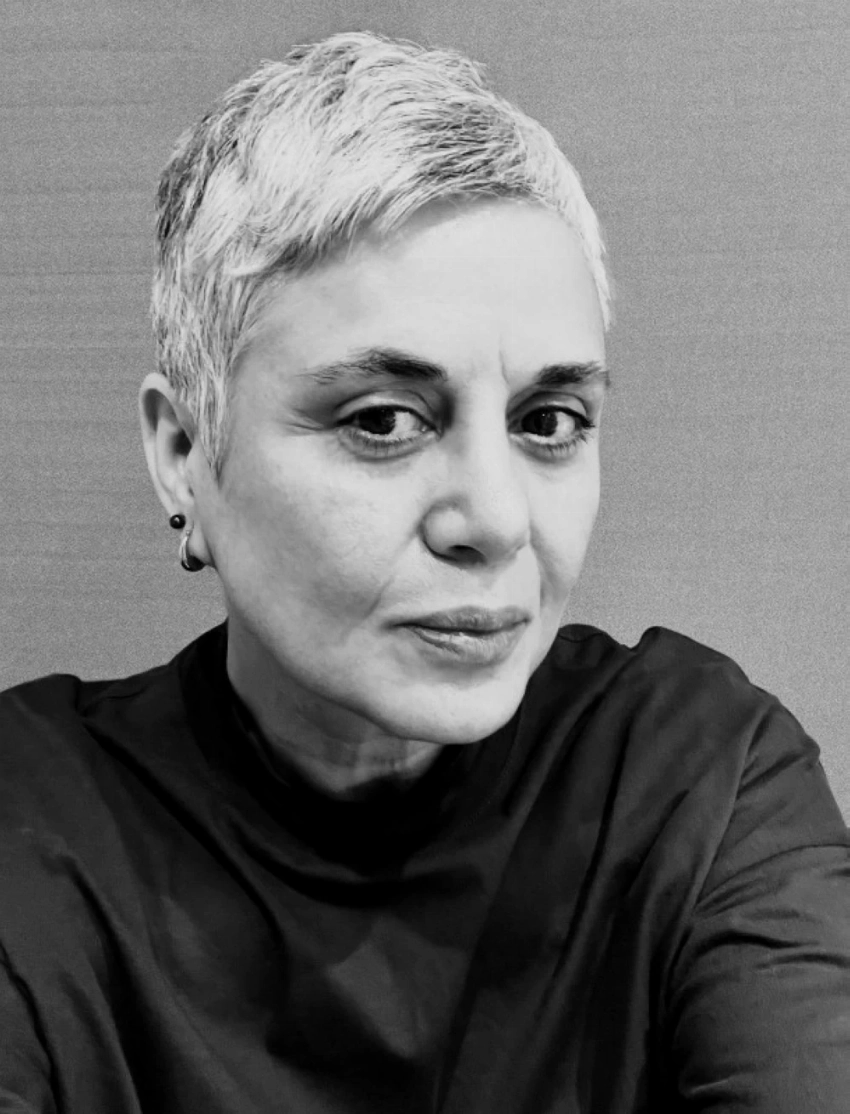
وتم اختيار المشاركين وفق معايير دقيقة تشمل السيرة الفنية، ودوافع التقديم، وأهمية المشروع المقترح، إضافة إلى تفاعل المتقدم مع مفاهيم الابتكار والسياق المحلي. وتضم قائمة الفنانين المشاركين أسماء بارزة، إلى جانب فنانين من مدارس وتجارب متنوعة، ما يعكس تنوع الرؤى والأساليب في بناء مشهد خطي معاصر.
Traditional arts continue their journey in interacting with the present and the future, as the Prince Mohammed bin Salman Center for Arabic Calligraphy launched the second edition of the Dar Al-Qalam residency program, to be a creative space for artists and calligraphers to explore Arabic calligraphy and reinterpret it in a contemporary context. The program is part of the Ministry of Culture's initiatives and aims to enhance artistic dialogue and experimentation, focusing on the developments of this ancient art and its modern innovations.
The residency program extends over eight weeks in historic Jeddah, with the participation of 10 Saudi and international artists and calligraphers, working on individual and collaborative projects within an inspiring artistic environment, culminating in an open studio event that allows the public to follow the participants' outputs and their creative experiences.
The program is based on four main axes, including studying the traditional roots of Arabic calligraphy and its accompanying arts, exploring contemporary practices and developments, as well as envisioning future innovation prospects in this field.
Artists also participate in advanced workshops, critique sessions, individual mentoring meetings, cultural tours, and field visits to the studios of local artists and experts, to enhance knowledge exchange and expand the research and artistic experience.
Participants were selected based on precise criteria, including their artistic biography, motivations for applying, the significance of the proposed project, in addition to the applicant's engagement with concepts of innovation and the local context. The list of participating artists includes prominent names, along with artists from diverse schools and experiences, reflecting the diversity of visions and styles in building a contemporary calligraphic scene.