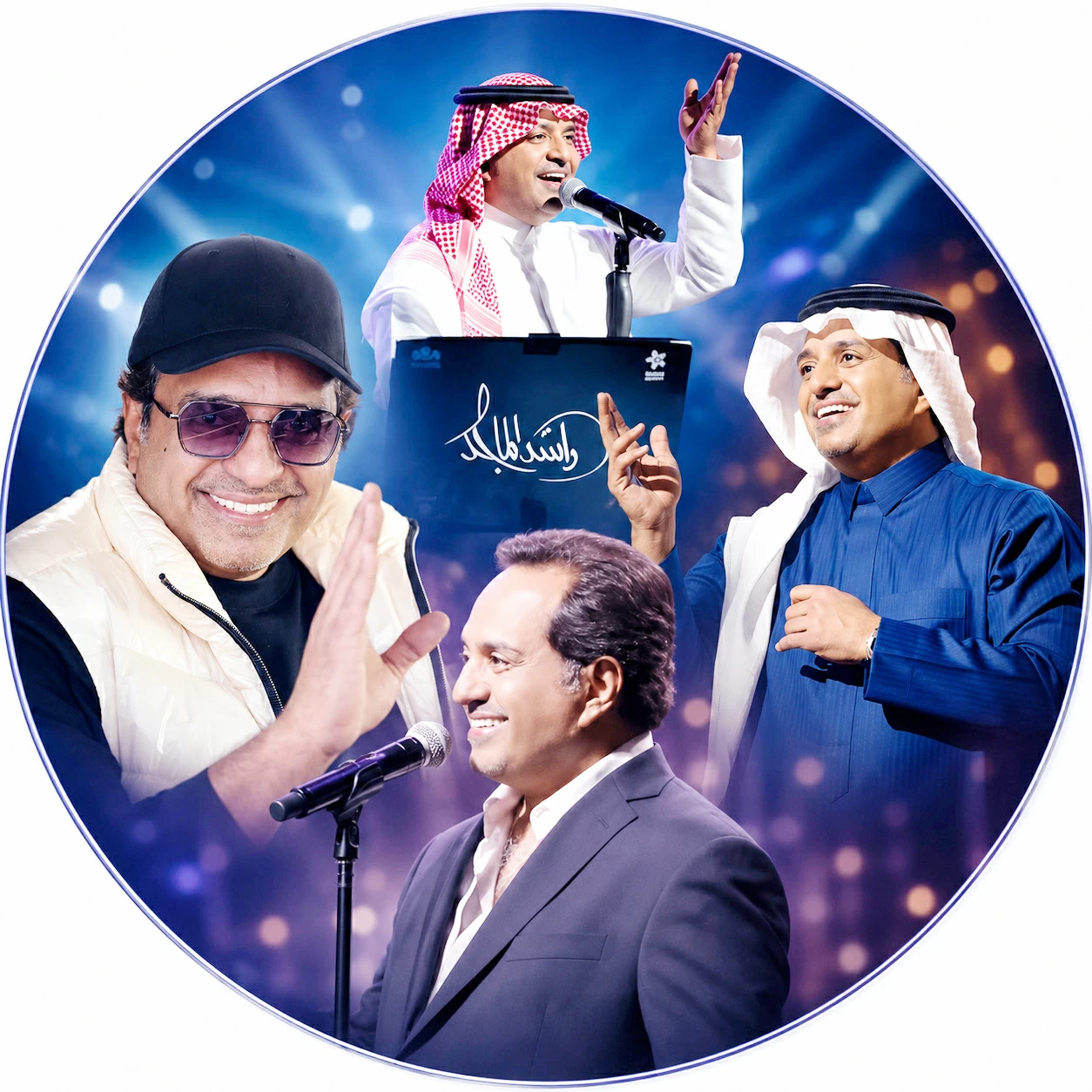
جاءت حفلة الرباط لتقدم زاوية جديدة لقراءة تجربة راشد الماجد خلال عام 2026، بعدما واصل حضوره على أبرز المسارح العربية، مؤكداً أن مشروعه الفني ما زال يحتفظ بقدرته على الوصول إلى جمهور من مختلف الأجيال. ولم تعد أهمية هذه الحفلات مرتبطة بالأرقام أو المدن التي استضافتها، بقدر ما عكست رسوخ تجربة تراكمت على مدى عقود.
ومنذ انطلاق جولته في الرياض، مروراً بالبحرين وجدة وأبوظبي وصولاً إلى الرباط، بدا واضحاً أن الجمهور لا يحضر فقط للاستماع إلى الأغنيات، بل لاستعادة حالة وجدانية صنعتها أعمال رافقته لسنوات طويلة، وهو ما منح حفلاته بعداً يتجاوز الطابع الترفيهي إلى ارتباط عاطفي وثقافي مع جمهوره.
وخلال هذه الجولة، حافظ راشد الماجد على فلسفته الفنية القائمة على احترام المسرح، والاعتماد على قوة الأغنية وجودة الأداء، بعيداً عن المبالغة في المؤثرات البصرية، في تعبير عن ثقته بأن العمل الغنائي يظل العنصر الأهم في صناعة العلاقة مع الجمهور.
كما عكست اختياراته الغنائية وعياً بطبيعة جمهوره المتنوع، إذ مزج بين أعمال البدايات والأغنيات التي رسخت نجوميته وبعض إنتاجه الحديث، ليقدم صورة لمسيرة تطورت بالتوازي مع تطور الأغنية الخليجية، دون أن تتحول الحفلات إلى استعراض لأرشيفه الفني.
وفي قراءة وافية للجولة، نخلص إلى أن قوة راشد الماجد اليوم لا تكمن في السعي إلى أغنية تتصدر المشهد، بل في امتلاكه رصيداً فنياً تجاوز لحظة إنتاجه، وأصبح جزءاً من الذاكرة الموسيقية العربية. كما أن حضوره الهادئ وابتعاده عن الضجيج الإعلامي، عززا صورة فنان يراهن على القيمة الفنية أكثر من رهانِه على الزخم الإعلامي.
في المحصلة، تؤكد حفلات راشد الماجد في 2026، أن استمرارية الفنان لا تُقاس بطول مسيرته فحسب، بل بقدرته على الحفاظ على هويته الفنية، وتجديد حضوره مع كل لقاء جديد مع جمهوره.
The Rabat concert provided a new perspective on Rashid Al-Majed's experience throughout 2026, as he continued to perform on the most prominent Arab stages, confirming that his artistic project still retains its ability to reach audiences from different generations. The significance of these concerts is no longer tied to numbers or the cities that hosted them, but rather reflects the depth of an experience that has accumulated over decades.
Since the launch of his tour in Riyadh, passing through Bahrain, Jeddah, Abu Dhabi, and finally Rabat, it became clear that the audience attends not only to listen to the songs but to relive an emotional state created by works that have accompanied them for many years. This gave his concerts a dimension that transcends mere entertainment to an emotional and cultural connection with his audience.
During this tour, Rashid Al-Majed maintained his artistic philosophy based on respecting the stage and relying on the power of the song and the quality of performance, away from excessive visual effects, expressing his confidence that the musical work remains the most important element in building a relationship with the audience.
His song selections also reflected an awareness of the nature of his diverse audience, as he blended early works with songs that solidified his stardom and some of his recent productions, presenting an image of a career that has evolved in parallel with the development of Gulf music, without turning the concerts into a showcase of his artistic archive.
In a comprehensive reading of the tour, we conclude that Rashid Al-Majed's strength today lies not in the pursuit of a song that dominates the scene, but in his possession of an artistic legacy that has surpassed the moment of its production and has become part of the Arab musical memory. His calm presence and distance from media noise have enhanced the image of an artist who bets on artistic value more than on media momentum.
Ultimately, Rashid Al-Majed's concerts in 2026 confirm that an artist's continuity is not measured solely by the length of their career, but by their ability to maintain their artistic identity and renew their presence with each new encounter with their audience.