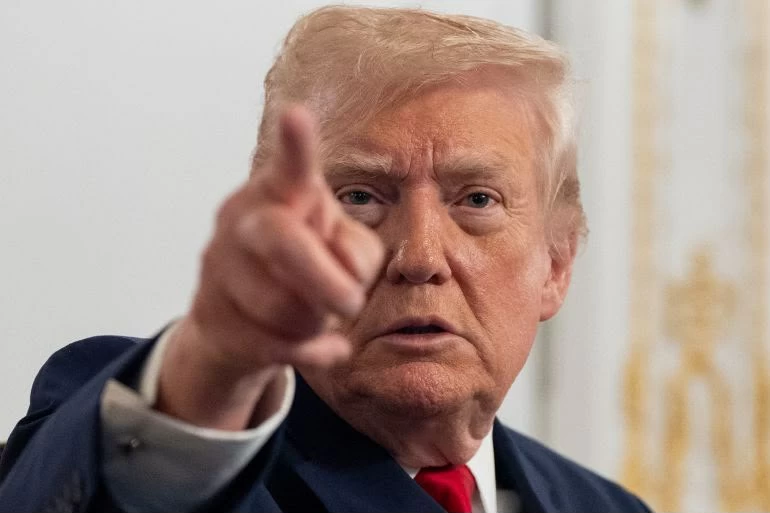
صعّد الرئيس الأمريكي دونالد ترمب لهجته تجاه إيران، مؤكداً أن الولايات المتحدة لن تسمح لطهران بامتلاك سلاح نووي، ومعلناً أن القوات الأمريكية تفرض سيطرتها على مضيق هرمز، في وقت تتسارع فيه التطورات الميدانية داخل إيران مع ورود أنباء عن انفجارات في عدة مناطق، وإصابة ناقلة نفط، وسط تصاعد المخاوف من اتساع رقعة المواجهة وتأثيرها على أمن الملاحة وإمدادات الطاقة العالمية.
ترمب: نهاجم إيران ونسيطر على مضيق هرمز
وقال ترمب إن الولايات المتحدة تهاجم إيران في هذه الأثناء، مشدداً على أن بلاده لن تسمح لها بامتلاك سلاح نووي. وأضاف أن واشنطن تسيطر على مضيق هرمز، معتبراً أن الدول كانت تخشى إيران في السابق، لكنها أصبحت أقل خوفاً بعدما قوضت الولايات المتحدة قدراتها. وأشار إلى أن طهران قد تحاول إثارة المتاعب أو الإقدام على خطوات غير محسوبة، إلا أن الإدارة الأمريكية «تسيطر على الوضع»، بحسب تعبيره.
إصابة ناقلتي نفط وتحركات في مضيق هرمز
وفي تطور متصل، أعلن الحرس الثوري الإيراني تعرض ناقلتي نفط لإصابات في مضيق هرمز بعد تجاهلهما تحذيرات صادرة عن مركز مراقبة أمن الملاحة. كما نقل عن الجيش الأمريكي أنه حذر عدداً من السفن، ودفع بعضها إلى تغيير مسارها بعد محاولة العبور عبر ممر وصفه بأنه غير قانوني في المضيق.
انفجارات وقصف داخل الأراضي الإيرانية
ميدانياً، أفادت وسائل إعلام إيرانية بسماع دوي انفجار ضخم في مدينة بوشهر جنوب البلاد، فيما تحدثت تقارير عن قصف أمريكي استهدف عدة مناطق في مدينة العميدية بمحافظة الأهواز، إلى جانب تداول صور قيل إنها توثق استهداف مواقع تابعة للحرس الثوري في جزيرة كيش.
وفي محافظة خوزستان، نقلت وكالة «مهر» عن مسؤول محلي أن الهجمات الأمريكية أسفرت عن إصابة أربعة أشخاص في مدينة العميدية.
البحرين ترفع مستوى التأهب
وعلى وقع التصعيد، أعلنت البحرين انطلاق صفارات الإنذار، فيما دعت وزارة الداخلية المواطنين والمقيمين إلى التوجه إلى أقرب مكان آمن، في إجراء احترازي يعكس اتساع دائرة التوتر في المنطقة.
النفط يرتفع مع تنامي المخاوف
وانعكس التصعيد العسكري سريعاً على الأسواق، إذ ارتفعت عقود خام النفط الأمريكي بأكثر من 1% لتتجاوز 79 دولاراً للبرميل، مدفوعة بمخاوف المستثمرين من اضطراب حركة الملاحة في مضيق هرمز، أحد أهم الممرات الاستراتيجية لنقل النفط في العالم.
U.S. President Donald Trump escalated his rhetoric towards Iran, affirming that the United States will not allow Tehran to possess nuclear weapons, and announcing that U.S. forces are asserting control over the Strait of Hormuz, at a time when developments on the ground in Iran are accelerating with reports of explosions in several areas and damage to an oil tanker, amid rising fears of an expanding confrontation and its impact on maritime security and global energy supplies.
Trump: We are attacking Iran and controlling the Strait of Hormuz
Trump stated that the United States is currently attacking Iran, emphasizing that his country will not allow it to possess nuclear weapons. He added that Washington controls the Strait of Hormuz, considering that countries previously feared Iran, but are now less afraid after the United States undermined its capabilities. He pointed out that Tehran may try to stir up trouble or take reckless steps, but the U.S. administration "has control of the situation," as he put it.
Damage to oil tankers and movements in the Strait of Hormuz
In a related development, the Iranian Revolutionary Guard announced that two oil tankers sustained damage in the Strait of Hormuz after ignoring warnings issued by the maritime security monitoring center. The U.S. military was also reported to have warned several ships, prompting some to change their course after attempting to pass through a route it described as illegal in the strait.
Explosions and shelling inside Iranian territory
On the ground, Iranian media reported hearing a loud explosion in the city of Bushehr in the south of the country, while reports spoke of U.S. shelling targeting several areas in the city of Al-Amidiyah in Khuzestan province, alongside circulating images said to document the targeting of Revolutionary Guard positions on Kish Island.
In Khuzestan province, the "Mehr" news agency quoted a local official stating that the U.S. attacks resulted in injuries to four people in the city of Al-Amidiyah.
Bahrain raises alert level
Amid the escalation, Bahrain announced the activation of alarm sirens, while the Ministry of Interior urged citizens and residents to head to the nearest safe location, in a precautionary measure reflecting the widening circle of tension in the region.
Oil prices rise amid growing fears
The military escalation quickly reflected in the markets, as U.S. crude oil futures rose by more than 1% to exceed $79 per barrel, driven by investors' fears of disruption to maritime traffic in the Strait of Hormuz, one of the world's most important strategic routes for oil transport.