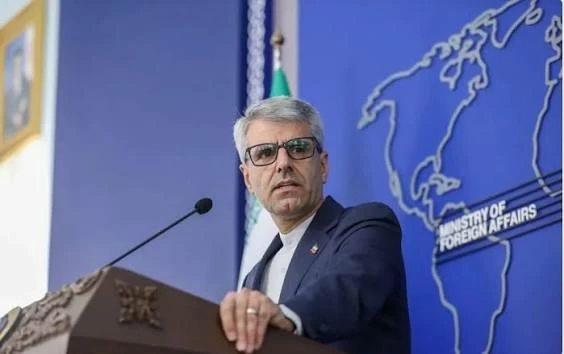
أعلنت الخارجية الإيرانية أن طهران لن تلتزم بمذكرة التفاهم المبرمة مع الولايات المتحدة إذا لم تفِ واشنطن بالتزاماتها، ما يعكس اتساع الخلاف بين الجانبين بشأن ترتيبات الملاحة في مضيق هرمز.
وأفاد المتحدث باسم الوزارة إسماعيل بقائي، اليوم (الإثنين)، بأن بلاده تعمل على التوصل إلى آلية مشتركة مع سلطنة عمان لتنظيم حركة العبور والشحن في المضيق، لكنه زعم أن الولايات المتحدة تمارس ضغوطا على مسقط تعرقل هذه الجهود.
وأضاف أن طهران ترى أن أي تفاهم بشأن أمن الملاحة يجب أن يقوم على التزامات متبادلة، مؤكداً أن استمرار الضغوط والعقوبات والهجمات العسكرية يجعل من الصعب الحفاظ على العمل بمذكرة التفاهم بصيغتها الحالية.
وتأتي تصريحات بقائي بعد محادثات جرت بين إيران وسلطنة عمان خلال الأيام الماضية، وركزت، بحسب الخارجية الإيرانية، على ترتيبات إدارة حركة السفن وضمان أمن الملاحة في مضيق هرمز. وشارك وفد قطري في جزء من تلك المحادثات.
وتزعم إيران أن إدارة المضيق يجب أن تتم بالتنسيق مع الدول المطلة عليه، فيما تؤكد الولايات المتحدة ودول غربية أن هرمز ممر دولي لا يجوز إخضاعه لرسوم أو قيود أحادية.
وكانت القيادة المركزية الأمريكية أكّدت أن إيران لا تسيطر على المضيق، مشددة على استعداد القوات الأمريكية لضمان استمرار عبور السفن التجارية وحماية حرية الملاحة.
في المقابل، أعلنت طهران خلال الأيام الماضية وقف عبور بعض السفن واحتجاز أخرى قالت إنها خالفت المسارات المعتمدة، كما هددت بإبقاء المضيق مغلقاً حتى انتهاء ما وصفته بالتدخل الأمريكي في المنطقة.
ويُعد مضيق هرمز من أهم الممرات البحرية في العالم، إذ يمر عبره جزء كبير من صادرات النفط والغاز العالمية، ما يجعل الخلاف حول إدارته أحد أبرز أسباب التصعيد بين إيران والولايات المتحدة.
وتعكس التصريحات الإيرانية الجديدة تمسك طهران بربط أي تهدئة في المضيق بتفاهمات سياسية وأمنية أوسع، بينما تصر واشنطن على فصل حرية الملاحة عن الخلافات السياسية والعسكرية بين الطرفين.
The Iranian Foreign Ministry announced that Tehran will not adhere to the memorandum of understanding signed with the United States if Washington does not fulfill its commitments, reflecting the widening rift between the two sides regarding navigation arrangements in the Strait of Hormuz.
Ministry spokesman Ismail Baqaei stated today (Monday) that his country is working to reach a joint mechanism with Oman to regulate transit and shipping movements in the strait, but he claimed that the United States is exerting pressure on Muscat that hinders these efforts.
He added that Tehran believes any understanding regarding navigation security must be based on mutual commitments, emphasizing that the continuation of pressures, sanctions, and military attacks makes it difficult to maintain the memorandum of understanding in its current form.
Baqaei's statements come after talks held between Iran and Oman in recent days, which focused, according to the Iranian Foreign Ministry, on arrangements for managing ship movements and ensuring navigation security in the Strait of Hormuz. A Qatari delegation participated in part of those talks.
Iran claims that the management of the strait should be coordinated with the countries bordering it, while the United States and Western countries assert that Hormuz is an international passage that should not be subjected to unilateral fees or restrictions.
The U.S. Central Command has confirmed that Iran does not control the strait, stressing the readiness of U.S. forces to ensure the continued passage of commercial vessels and protect freedom of navigation.
In contrast, Tehran announced in recent days the suspension of the passage of some ships and the detention of others that it claimed violated the approved routes, also threatening to keep the strait closed until what it described as U.S. intervention in the region comes to an end.
The Strait of Hormuz is considered one of the most important maritime passages in the world, as a large portion of global oil and gas exports pass through it, making the dispute over its management one of the main reasons for escalation between Iran and the United States.
The new Iranian statements reflect Tehran's insistence on linking any de-escalation in the strait to broader political and security understandings, while Washington insists on separating freedom of navigation from the political and military disputes between the two sides.