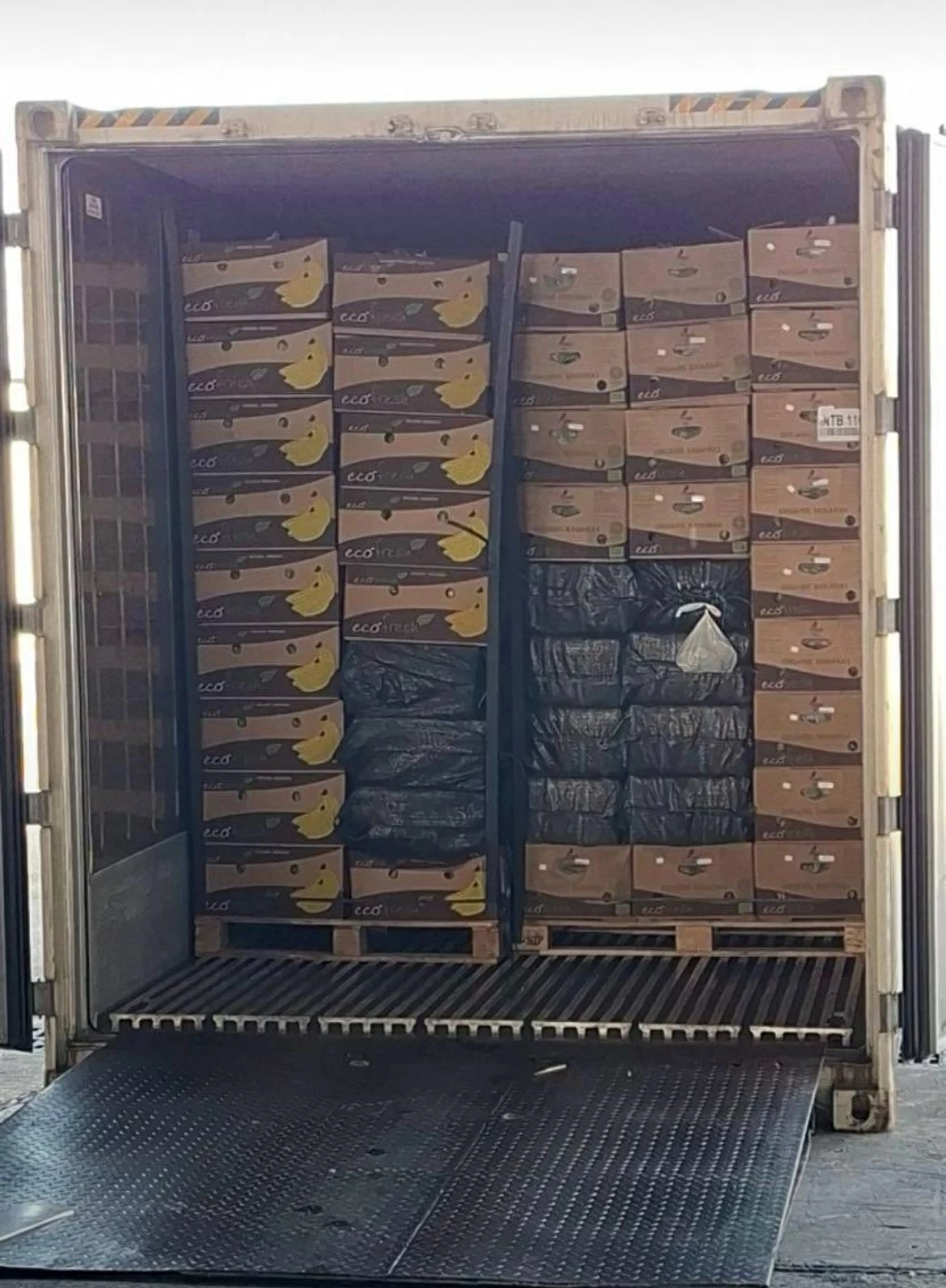
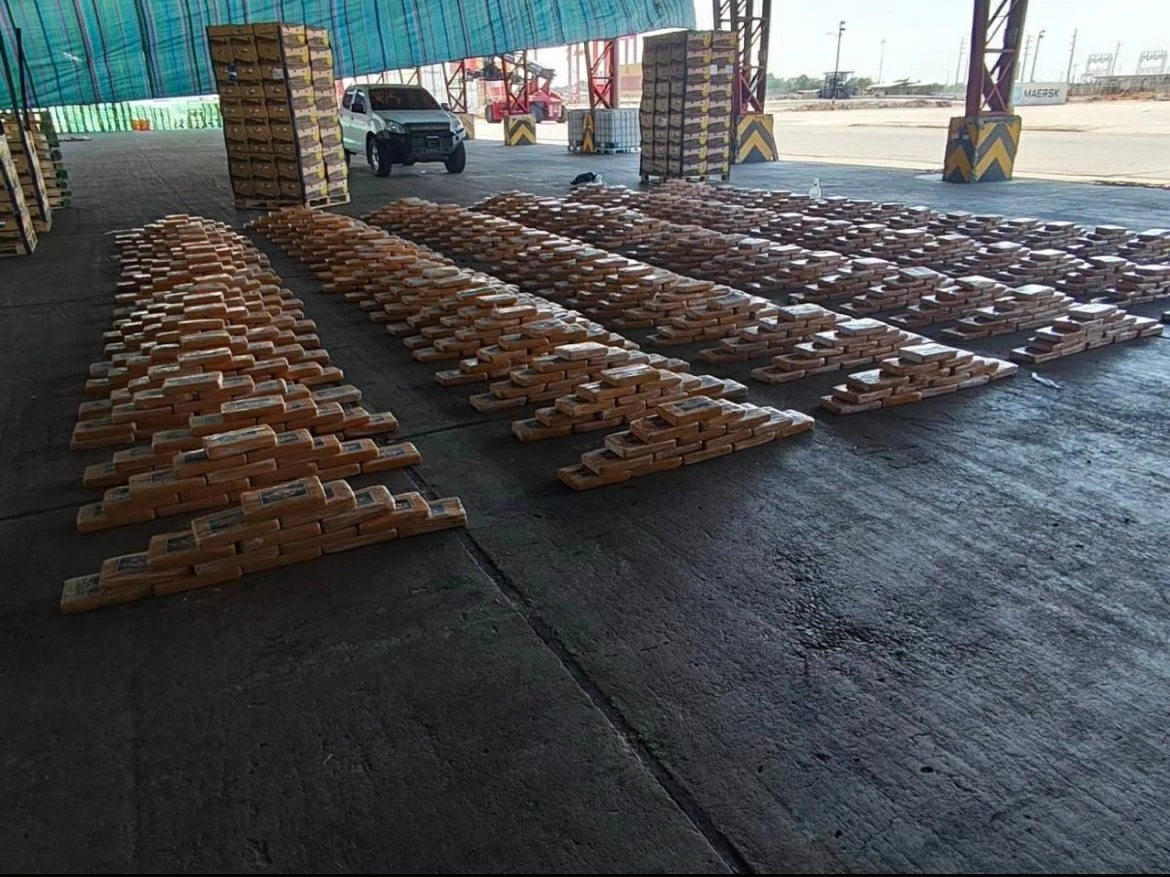
في واحدة من أكبر الضربات الأمنية ضد شبكات تهريب المخدرات، أعلنت السلطات الإكوادورية ضبط نحو 1.7 طن من الكوكايين كانت مخبأة داخل حاوية فواكه متجهة إلى أوروبا، فيما ألقت القبض على أربعة أشخاص يشتبه في تورطهم في العملية.
وقالت الشرطة الإكوادورية إن العملية نُفذت بعد اعتراض شاحنة كانت تنقل حاوية محملة بالفواكه من مدينة جواياكيل الساحلية إلى ميناء بويرتو بوليفار في محافظة إل أورو، إذ كشفت التحريات الاشتباه في استخدام الشحنة لتهريب المخدرات.
وبعد نقل الحاوية إلى منطقة آمنة وإخضاعها لتفتيش دقيق، عثرت قوات الأمن على 1800 قالب من الكوكايين، بلغ وزنها الإجمالي نحو 1.7 طن.
ووفقاً للسلطات، فإن الكمية المضبوطة تكفي لإنتاج نحو 17.9 مليون جرعة من الكوكايين، وتبلغ قيمتها التقديرية نحو 54 مليون دولار داخل السوق المحلية، فيما ترتفع قيمتها إلى أضعاف ذلك عند وصولها إلى الأسواق الأوروبية.
وأسفرت العملية عن توقيف أربعة متهمين، هم: لويس أندريس فياكيس إسبينوزا، وخوسيه مانويل أرياس بريونيس، وخوسيه جوستافو ليموس كاستيو، وديلسون أنخيل سوسا أورتيجا، كما صادرت الشرطة ثلاث مركبات وستة هواتف محمولة يشتبه في استخدامها ضمن شبكة التهريب.
وأكد وزير الداخلية الإكوادوري جون رايمبرج أن الشحنة كانت في طريقها إلى الدنمارك، مشيراً إلى أن العملية تعكس استمرار محاولات عصابات الجريمة المنظمة استخدام الموانئ الإكوادورية لتهريب الكوكايين إلى الأسواق الأوروبية، التي تعد من أكبر أسواق استهلاك المخدرات في العالم.
وأضاف أن السلطات تواصل تعزيز الرقابة على الموانئ والصادرات التجارية، في إطار حملة موسعة تستهدف تفكيك شبكات تهريب المخدرات العابرة للحدود.
وتعد الإكوادور إحدى أهم نقاط العبور العالمية لشحنات الكوكايين، نظراً لموقعها الجغرافي بين كولومبيا وبيرو، أكبر دولتين منتجتين للكوكايين في العالم، فضلاً عن امتلاكها موانئ رئيسية على المحيط الهادئ تُستخدم في تصدير المنتجات الزراعية إلى أوروبا وأمريكا الشمالية.
وخلال السنوات الأخيرة، كثفت السلطات الإكوادورية عملياتها الأمنية لمواجهة تصاعد نشاط عصابات المخدرات، التي تعتمد بشكل متزايد على إخفاء الكوكايين داخل حاويات الفواكه والموز والمنتجات الزراعية الموجهة للتصدير، في محاولة للتهرب من إجراءات التفتيش.
وتأتي هذه الضبطية بعد سلسلة عمليات مشابهة أعلنتها السلطات أخيراً، في إطار إستراتيجية تستهدف تضييق الخناق على شبكات التهريب الدولية وتعزيز التعاون الأمني مع الدول الأوروبية لمكافحة الاتجار غير المشروع بالمخدرات.
In one of the largest security operations against drug trafficking networks, Ecuadorian authorities announced the seizure of approximately 1.7 tons of cocaine hidden inside a fruit container headed for Europe, while four individuals suspected of being involved in the operation were arrested.
The Ecuadorian police stated that the operation was carried out after intercepting a truck transporting a container loaded with fruits from the coastal city of Guayaquil to the Puerto Bolívar port in the El Oro province, as investigations revealed suspicions of the shipment being used for drug trafficking.
After transferring the container to a secure area and subjecting it to a thorough inspection, security forces found 1,800 bricks of cocaine, with a total weight of about 1.7 tons.
According to authorities, the seized quantity is sufficient to produce approximately 17.9 million doses of cocaine, with an estimated value of around 54 million dollars in the local market, while its value multiplies upon reaching European markets.
The operation resulted in the arrest of four suspects: Luis Andrés Viacis Espinoza, José Manuel Arias Briones, José Gustavo Lemos Castillo, and Delson Ángel Sosa Ortega. The police also confiscated three vehicles and six mobile phones suspected of being used within the smuggling network.
Ecuadorian Interior Minister Juan Raimberg confirmed that the shipment was en route to Denmark, noting that the operation reflects the ongoing attempts by organized crime gangs to use Ecuadorian ports to smuggle cocaine into European markets, which are among the largest drug consumption markets in the world.
He added that authorities continue to enhance monitoring of ports and commercial exports as part of an extensive campaign aimed at dismantling cross-border drug trafficking networks.
Ecuador is considered one of the most important global transit points for cocaine shipments, due to its geographical location between Colombia and Peru, the two largest cocaine-producing countries in the world, as well as having major Pacific ports used for exporting agricultural products to Europe and North America.
In recent years, Ecuadorian authorities have intensified their security operations to combat the rising activities of drug trafficking gangs, which increasingly rely on hiding cocaine inside containers of fruits, bananas, and agricultural products intended for export, in an attempt to evade inspection procedures.
This seizure comes after a series of similar operations recently announced by authorities, as part of a strategy aimed at tightening the noose on international smuggling networks and enhancing security cooperation with European countries to combat the illicit drug trade.