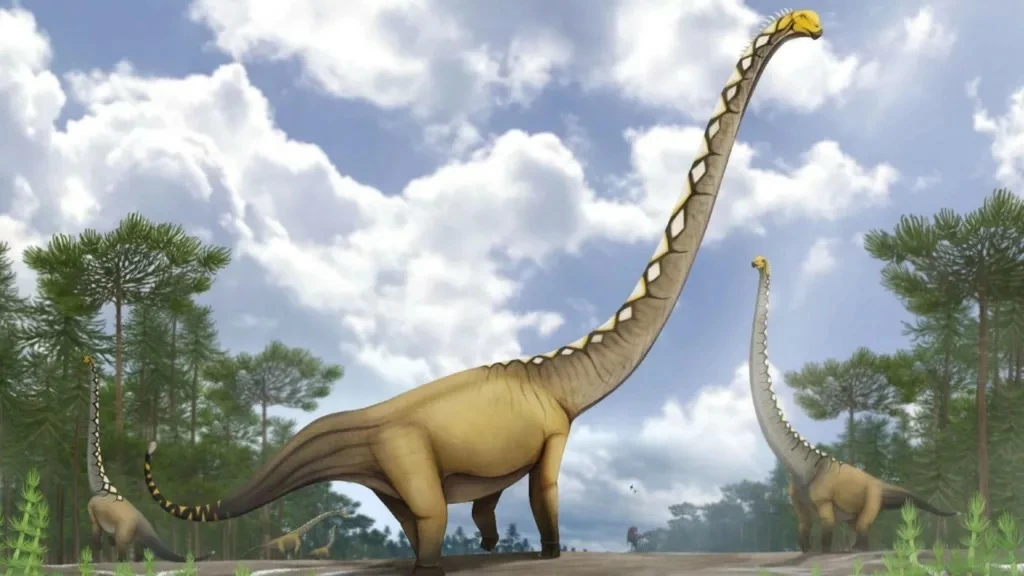
أعلن فريق من علماء الحفريات في تايلند اكتشاف نوع جديد من الديناصورات العاشبة عاش قبل نحو 150 مليون عام، في خطوة وصفها الباحثون بأنها من أبرز الاكتشافات الأحفورية في جنوب شرق آسيا، بعدما كشفت حفريات عُثر عليها في إقليم كالاسين شمال شرقي البلاد عن فصيلة لم تكن معروفة من قبل.
وأطلق العلماء على الديناصور الجديد اسم «أوراغاسوروس كالاسينينسيس» (Uragasaurus kalasinensis)، وهو ينتمي إلى مجموعة الديناصورات طويلة العنق، ويُقدر طوله بنحو 20 متراً، أي ما يعادل تقريباً طول ملعب كريكيت، فيما يُعتقد أنه عاش خلال أواخر العصر الجوراسي.
بداية الاكتشاف
وبحسب شبكة BBC، قال الباحث بجامعة مهاساراخام المؤلف الرئيسي للدراسة الدكتور أبيروت نيلبانابان إن الأحفورة الجديدة كانت جزءاً من مجموعة كبيرة من الحفريات التي جُمعت من موقع فو نوي (Phu Noi)، الذي لفت أنظار العلماء لأول مرة عام 2008، بعدما عثر أحد السكان المحليين على شظايا أحفورية بدت شبيهة بحراشف الأفاعي.
وأضاف أن فرق البحث، عقب وصولها إلى الموقع، عثرت على العديد من الأسنان والعظام المتحجرة للديناصورات، إلى جانب بقايا كائنات أخرى تعود إلى أواخر العصر الجوراسي.
فقرة ظهر قادت إلى الاكتشاف
وأوضح الباحثون أن القطعة التي قادت إلى تحديد النوع الجديد كانت عبارة عن فقرة ظهر متحجرة من الجزء الأوسط أو العلوي للعمود الفقري، إذ أظهرت خصائص تشريحية غير مألوفة أثارت اهتمام العلماء.
وبعد إخضاع الأحفورة لفحص بالأشعة المقطعية (CT Scan)، تبين أنها تنتمي إلى عائلة المامنشيسوريات (Mamenchisauridae)، وهي مجموعة من الديناصورات الضخمة المعروفة برقابها الطويلة للغاية، التي كانت تساعدها على الوصول إلى النباتات على ارتفاعات مختلفة أثناء التغذية.
ورغم أن معظم حفريات هذه العائلة اكتُشفت سابقاً في الصين، فإن هذا الاكتشاف يُعد الأول من نوعه في تايلند.
خصائص غير مسبوقة
وكشفت الفحوص أيضاً خصائص تشريحية فريدة، أبرزها ترتيب للعظام الداعمة على شكل حرف Y، إضافة إلى وجود بنية مميزة من التجاويف الهوائية داخل العظام.
وقال الدكتور نيلبانابان إن هذه السمات، لاسيما التركيب الداخلي للتجاويف الهوائية، «لا تشبه أي ديناصور آخر معروف في العالم، وهذا ما يجعله نوعاً فريداً».
وأضاف أنه عندما تأكد من أن الفريق اكتشف نوعاً جديداً من الديناصورات لم يتمالك فرحته، حتى أنه حطم جهاز الكمبيوتر الخاص به من شدة الانفعال، مؤكداً أنه شعر في تلك اللحظة بمزيج من الحماس والارتياح بعد سنوات من البحث.
ونُشرت نتائج الدراسة العلمية في وقت سابق من الأسبوع الحالي في مجلة Nature العلمية المرموقة، وهو ما يمنح الاكتشاف أهمية كبيرة داخل الأوساط العلمية.
ويأتي هذا الاكتشاف بعد أشهر قليلة من إعلان علماء في تايلند، خلال مايو الماضي، التعرف على نوع آخر من الديناصورات العاشبة طويلة العنق يحمل اسم «ناغاتيتان» (Nagatitan)، الذي يُعد أكبر ديناصور يُكتشف حتى الآن في جنوب شرق آسيا.
ويزن «ناغاتيتان» نحو 27 طناً، أي ما يعادل وزن 9 أفيال آسيوية بالغة، بينما يبلغ طوله نحو 27 متراً، ما يعكس الأهمية المتزايدة لتايلند كموقع غني بالأحافير التي تسهم في إعادة رسم تاريخ الحياة على الأرض.
A team of paleontologists in Thailand has announced the discovery of a new species of herbivorous dinosaur that lived about 150 million years ago, in a step described by researchers as one of the most significant fossil discoveries in Southeast Asia, after fossils found in the Kalasin province in the northeast of the country revealed a previously unknown species.
The scientists named the new dinosaur "Uragasaurus kalasinensis," which belongs to the group of long-necked dinosaurs, and is estimated to be about 20 meters long, roughly equivalent to the length of a cricket field, while it is believed to have lived during the late Jurassic period.
The Beginning of the Discovery
According to BBC, Dr. Apirut Neelapanapan, the lead author of the study from Mahasarakham University, stated that the new fossil was part of a large collection of fossils gathered from the Phu Noi site, which first caught the attention of scientists in 2008, after a local resident found fossil fragments that resembled snake scales.
He added that research teams, upon arriving at the site, found many dinosaur teeth and bones, along with remains of other creatures dating back to the late Jurassic period.
A Vertebra That Led to the Discovery
The researchers explained that the piece that led to the identification of the new species was a fossilized vertebra from the middle or upper part of the spine, which exhibited unusual anatomical features that intrigued scientists.
After subjecting the fossil to a CT scan, it was determined to belong to the Mamenchisauridae family, a group of massive dinosaurs known for their extremely long necks, which helped them reach vegetation at various heights while feeding.
Although most fossils from this family have been previously discovered in China, this discovery is the first of its kind in Thailand.
Unprecedented Features
The examinations also revealed unique anatomical features, most notably a Y-shaped arrangement of the supporting bones, in addition to a distinctive structure of air cavities within the bones.
Dr. Neelapanapan stated that these traits, especially the internal structure of the air cavities, "do not resemble any other known dinosaur in the world, which makes it a unique species."
He added that when he confirmed that the team had discovered a new species of dinosaur, he couldn't contain his joy, even breaking his computer out of excitement, emphasizing that he felt a mix of exhilaration and relief after years of research.
The results of the scientific study were published earlier this week in the prestigious journal Nature, which gives the discovery significant importance within scientific circles.
This discovery comes just a few months after scientists in Thailand announced in May the identification of another species of long-necked herbivorous dinosaur named "Nagatitan," which is considered the largest dinosaur discovered so far in Southeast Asia.
The "Nagatitan" weighs about 27 tons, equivalent to the weight of 9 adult Asian elephants, while its length is about 27 meters, reflecting Thailand's increasing significance as a site rich in fossils that contribute to reshaping the history of life on Earth.