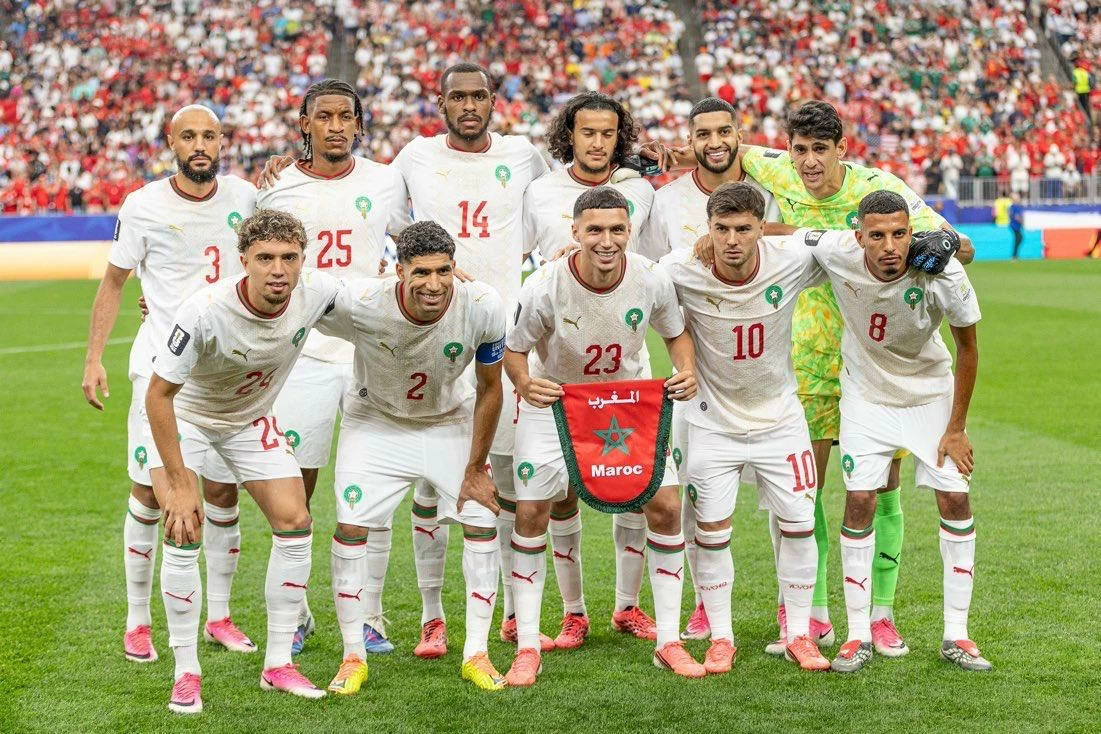
شهدت النسخة الحالية للمنتخبات الأفريقية تسجيل أرقام غير مسبوقة في صناعة الفرص المحققة، إذ تقدم المنتخب المغربي ليكون صاحب الرقم القياسي الأفريقي في تاريخ البطولة خلال نسخة واحدة، بعدما صنع لاعبوه 17 فرصة محققة، وهو أعلى رقم يسجله منتخب أفريقي في المونديال.
ولم يكن المغرب وحده في دائرة التألق، إذ حل المنتخب السنغالي ثانياً في القائمة التاريخية برصيد 16 فرصة خلال النسخة نفسها، بينما عاد المركز الثالث إلى منتخب غانا الذي صنع 13 فرصة في مونديال 2010 بجنوب أفريقيا.
وشهد مونديال 2026 أيضاً دخول منتخبي مصر وساحل العاج إلى القائمة التاريخية، بعدما صنع كل منهما 10 فرص محققة، ليعادلا أرقاماً سبق أن حققتها غانا في نسخة 2006، والسنغال في 2002، ونيجيريا في 1994.
وضمت القائمة كذلك الجزائر التي صنعت 9 فرص محققة في مونديال 2014، إلى جانب جنوب أفريقيا في نسخة 2010، وساحل العاج في 2006، والكاميرون في 1990، في تأكيد واضح على التطور الهجومي الكبير الذي شهدته الكرة الأفريقية عبر تاريخ مشاركاتها في كأس العالم.
وتعكس هذه الأرقام التحول اللافت في أداء المنتخبات الأفريقية، التي لم تعد تكتفي بالمنافسة الدفاعية، بل أصبحت من بين أكثر المنتخبات قدرة على صناعة الفرص وتهديد مرمى المنافسين.
The current edition of the African national teams has witnessed unprecedented numbers in creating goal-scoring opportunities, as the Moroccan team has set the African record in the history of the tournament for a single edition, having created 17 clear chances, which is the highest number recorded by an African team in the World Cup.
Morocco was not alone in the spotlight, as the Senegalese team ranked second in the historical list with 16 chances during the same edition, while the third place went to the Ghanaian team, which created 13 chances in the 2010 World Cup in South Africa.
The 2026 World Cup also saw the entry of the Egyptian and Ivory Coast teams into the historical list, as each created 10 clear chances, matching the numbers previously achieved by Ghana in 2006, Senegal in 2002, and Nigeria in 1994.
The list also included Algeria, which created 9 clear chances in the 2014 World Cup, alongside South Africa in 2010, Ivory Coast in 2006, and Cameroon in 1990, clearly confirming the significant offensive development that African football has witnessed throughout its history in the World Cup.
These numbers reflect the remarkable transformation in the performance of African teams, which no longer settle for defensive competition but have become among the most capable teams in creating opportunities and threatening the opponents' goal.