


أعلنت إدارة الغذاء والدواء الأمريكية (FDA) اليوم (الجمعة) موافقتها على نسخة قابلة للارتداء من دواء «ساركليسا» (Sarclisa) الذي تطوره شركة سانوفي الفرنسية لعلاج أحد أنواع سرطان الدم، مما يمنح مرضى الورم النقوي المتعدد خيارًا علاجيًا أكثر سهولة مقارنة بالتسريب الوريدي التقليدي. وتعد هذه المرة الأولى التي توافق فيها الإدارة الأمريكية على دواء لعلاج السرطان يُعطى عبر جهاز حقن يُثبت على الجسم، حيث يُلصق على الجلد ليقوم بإيصال الدواء تحت الجلد، بدلًا من جلسات التسريب الوريدي المطولة داخل المستشفيات. ويمثل القرار مكسبًا تنظيميًا مهمًا لشركة سانوفي، في وقت تسعى فيه الإدارة التنفيذية إلى تنويع مصادر الإيرادات وتقليل اعتماد الشركة على دواء الربو دوبيكسنت (Dupixent)، الذي يعد أكثر منتجاتها مبيعًا. وكانت الشركة قد أعلنت الشهر الماضي تعيين باولو فونتورا رئيسًا جديدًا لقطاع البحث والتطوير. وتستهدف الصيغة الجديدة من الدواء مرضى الورم النقوي المتعدد، وهو سرطان نادر وعدواني ينشأ في نخاع العظام، ويحتاج المصابون به غالبًا إلى دورات علاج متكررة على مدى فترات طويلة. ومن المتوقع أن يسهم إعطاء الدواء تحت الجلد في تقليل الوقت الذي يقضيه المرضى داخل مراكز العلاج، إلى جانب تخفيف الضغط على عيادات الأورام والطواقم التمريضية. ووفقًا لسانوفي، قد تستغرق جلسة التسريب الوريدي ما يصل إلى 3 ساعات، بينما يبلغ متوسط زمن الحقن باستخدام الجهاز القابل للارتداء نحو 13 دقيقة فقط. وقد وافقت إدارة الغذاء والدواء الأمريكية لأول مرة على النسخة الوريدية من دواء «ساركليسا» عام 2020 لعلاج بعض مرضى الورم النقوي المتعدد الذين عاودهم المرض، فيما تشمل الموافقة الجديدة جميع الاستخدامات العلاجية المعتمدة سابقًا للنسخة الوريدية في الولايات المتحدة. ويصنف «ساركليسا» ضمن العلاجات المناعية الموجهة، إذ يعمل على الارتباط بخلايا الورم وكشفها أمام الجهاز المناعي لمهاجمتها، وينافس دواء دارزالكس (Darzalex) الذي تطوره شركة جونسون آند جونسون ضمن فئة أدوية Anti-CD38 المستخدمة لعلاج الورم النقوي المتعدد. وجاءت موافقة الإدارة الأمريكية بعد تمديد فترة مراجعة الملف التنظيمي لمدة 3 أشهر، واستند القرار إلى نتائج دراسة سريرية متقدمة أثبتت أن النسخة المعطاة عبر الجهاز القابل للارتداء حققت فعالية مماثلة للنسخة الوريدية.
وداعًا لساعات الانتظار.. جهاز جديد يمنح مرضى السرطان العلاج في دقائق
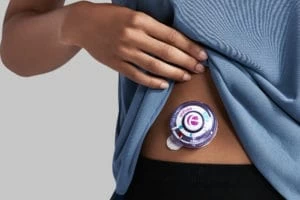



The U.S. Food and Drug Administration (FDA) announced today (Friday) its approval of a wearable version of the drug "Sarclisa" (Sarclisa), developed by the French company Sanofi, for the treatment of a type of blood cancer, which provides multiple myeloma patients with a more convenient treatment option compared to traditional intravenous infusion. This marks the first time the U.S. agency has approved a cancer treatment drug administered via a device that is attached to the body, as it adheres to the skin to deliver the medication subcutaneously, instead of lengthy intravenous infusion sessions in hospitals. The decision represents an important regulatory win for Sanofi at a time when the executive management is seeking to diversify revenue sources and reduce the company's reliance on the asthma drug Dupixent, which is its best-selling product. The company announced last month the appointment of Paulo Fontoura as the new head of research and development. The new formulation of the drug targets multiple myeloma patients, a rare and aggressive cancer that originates in the bone marrow, and those affected often require repeated treatment cycles over long periods. It is expected that administering the drug subcutaneously will reduce the time patients spend in treatment centers, as well as alleviate pressure on oncology clinics and nursing staff. According to Sanofi, an intravenous infusion session can take up to 3 hours, while the average injection time using the wearable device is only about 13 minutes. And the U.S. Food and Drug Administration first approved the intravenous version of the drug "Sarclisa" in 2020 for the treatment of certain multiple myeloma patients who experienced a relapse, while the new approval encompasses all previously approved therapeutic uses of the intravenous version in the United States. "Sarclisa" is classified among targeted immunotherapies, as it works by binding to tumor cells and exposing them to the immune system for attack, competing with the drug Darzalex (Darzalex) developed by Johnson & Johnson within the category of Anti-CD38 medications used to treat multiple myeloma. The U.S. agency's approval came after extending the review period of the regulatory file by 3 months, and the decision was based on the results of an advanced clinical study that demonstrated that the version administered via the wearable device achieved similar efficacy to the intravenous version.


