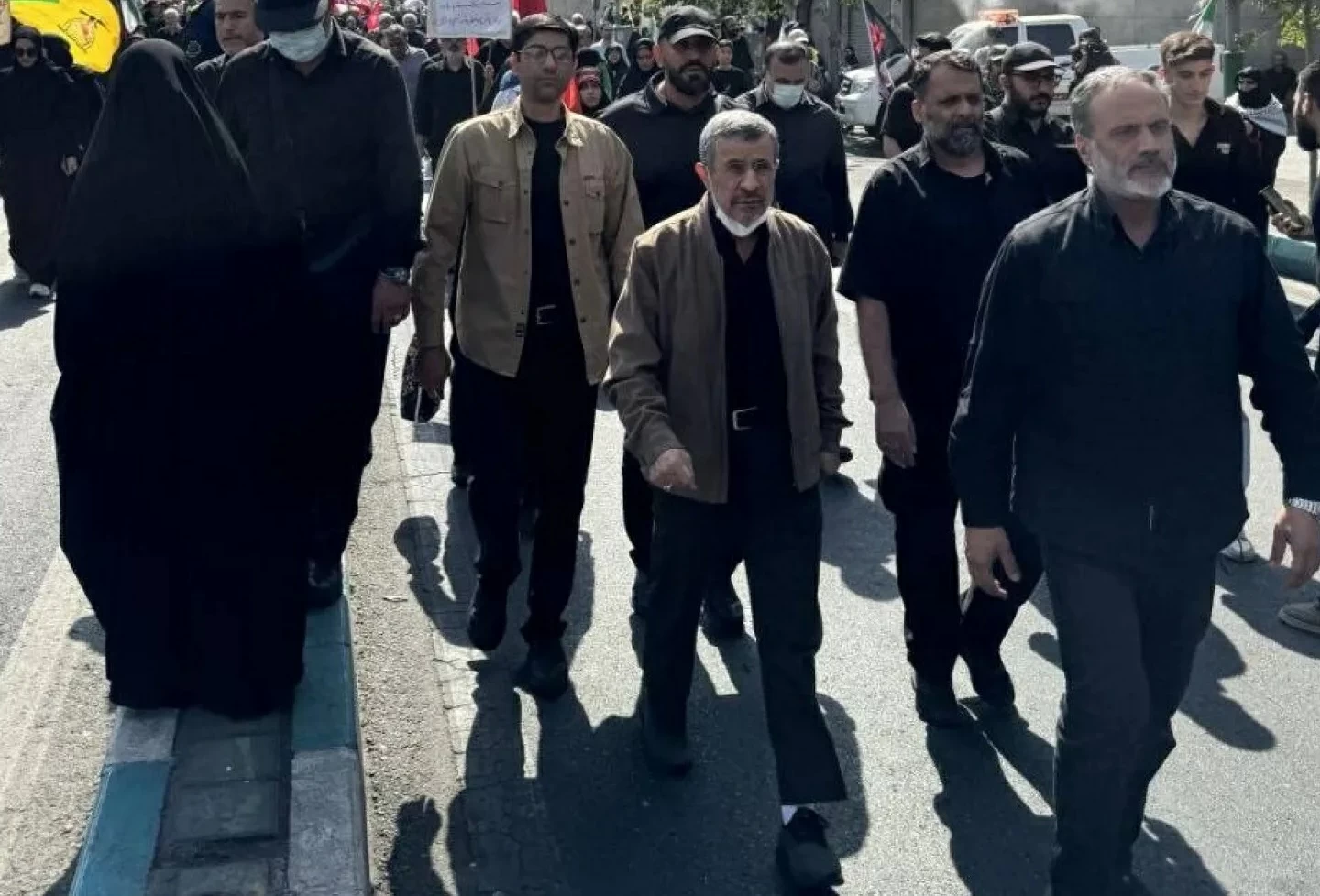
كشفت وسائل إعلام غربية عن مساعٍ إسرائيلية لتجنيد الرئيس الإيراني السابق أحمدي نجاد. وأوضحت أن مصيره حتى اللحظة غير واضح.
ونقلت صحيفة «نيويورك تايمز» عن معلومات ومسؤولين أمريكيين وإيرانيين مطلعين قولهم إن إسرائيل نفذت عملية استخباراتية استمرت لسنوات استهدفت أحمدي نجاد، بهدف تجنيده كأصل استخباراتي وإعداده للعب دور سياسي محتمل في قيادة إيران ضمن خطة أوسع لتغيير النظام في طهران، قبل أن تنهار العملية خلال الأيام الأولى من الحرب الأمريكية الإسرائيلية على إيران.
وأوضحت أن العملية بدأت عام 2024 في بناء قناة اتصال سرية مع أحمدي نجاد.
وأشارت الصحيفة إلى أن تلك العملية استفادت من تراجع علاقة نجاد بالنظام في إيران، قبل أن تتطور الاتصالات إلى محاولة لنقله إلى منزل آمن داخل إيران عقب غارة إسرائيلية استهدفت مقر إقامته. وبينت أن العملية انتهت بالفشل، فيما لا يزال مصير الرئيس الإيراني السابق غير واضح.
وأفادت الصحيفة أن أولى الخطوات العلنية المرتبطة بهذه العملية جاءت عندما استضافت جامعة لودوفيكا في العاصمة الهنغارية بودابست أحمدي نجاد للمشاركة في مؤتمر حول التغير المناخي، مشيرة إلى أن الهدف الحقيقي من اللقاء كان ترتيب اجتماعات سرية بينه وبين مسؤولين في جهاز الموساد الإسرائيلي.
وأوضح رئيس الجامعة غيرغيلي ديلي أنه تلقى طلباً من مسؤول حكومي هنغاري لتنظيم المؤتمر، لافتاً إلى أنه علم لاحقاً بأن الحدث كان غطاء لاجتماعات غير معلنة بين أحمدي نجاد وإسرائيل.
وأشار إلى أن توفير مساحة للحوار بين خصمين قد يسهم في إنقاذ الأرواح. وبحسب صحيفة «نيويورك تايمز» فإن رئيس الموساد آنذاك ديفيد برنياع سافر شخصياً إلى بودابست للقاء أحمدي نجاد، قبل أن يبلغ الجهاز وكالة الاستخبارات المركزية الأمريكية ببدء التواصل معه.
وقدمت إسرائيل لأحمدي نجاد دعماً مالياً لتغطية تكاليف السكن والسفر، كما عقد الطرفان لقاءات إضافية خلال زياراته الخارجية، في إطار إعداد شخصية يمكن الدفع بها لتولي السلطة في حال توافرت ظروف تغيير النظام في طهران.
وتضمنت أيضاً تدريب وتسليح مجموعات كردية إيرانية متمركزة في شمال العراق بهدف التقدم داخل الأراضي الإيرانية والسيطرة على مناطق غربية قبل التحرك نحو العاصمة، لكن الصحيفة أشارت إلى أن هذا المسار لم يدخل حيز التنفيذ.
وذكرت الصحيفة أن أحمدي نجاد عُرف خلال فترة رئاسته بين 2005 و2013 بخطابه المتشدد تجاه إسرائيل، ودعمه لتوسيع البرنامج النووي الإيراني، إضافة إلى تعامله الحازم مع الاحتجاجات الداخلية، إلا أن السنوات التي أعقبت خروجه من السلطة شهدت تحولاً في مواقفه وسلوكه السياسي.
ورأت المصادر التي تحدثت الصحيفة أن هذا التحول ارتبط بطموحه للعودة إلى السلطة، لا سيما بعد منعه من الترشح للانتخابات الرئاسية ثلاث مرات، الأمر الذي عزز قناعته بأن العودة إلى الحكم لن تكون ممكنة في ظل النظام السياسي القائم.
ولم يظهر الرئيس الإيراني السابق علناً بعد ذلك إلا خلال مراسم تشييع المرشد الأعلى علي خامنئي، حيث بدا محاطاً بعناصر أمنية، دون الإدلاء بأي تصريحات.
ونقلت الصحيفة عن أربعة مصادر إيرانية رفيعة أن أحمدي نجاد يخضع حالياً للإقامة الجبرية بإشراف جهاز استخبارات الحرس الثوري، بعد توصل السلطات إلى معلومات بشأن طبيعة اتصالاته مع إسرائيل.
ونقلت الصحيفة عن مسؤولين إسرائيليين سابقين قولهم إن خطة تغيير النظام كانت تعتمد على سلسلة من العمليات الخاصة، وأن أحمدي نجاد كان أحد أبرز العناصر المرتبطة بها، قبل أن تنتهي الخطة بالفشل.
Western media outlets have revealed Israeli efforts to recruit former Iranian President Mahmoud Ahmadinejad. They clarified that his fate remains unclear at this time.
The New York Times reported, citing information and American and Iranian officials familiar with the matter, that Israel carried out an intelligence operation that lasted for years targeting Ahmadinejad, with the aim of recruiting him as an intelligence asset and preparing him to play a potential political role in leading Iran as part of a broader plan to change the regime in Tehran, before the operation collapsed during the early days of the American-Israeli war on Iran.
The report indicated that the operation began in 2024 with the establishment of a secret communication channel with Ahmadinejad.
The newspaper noted that this operation benefited from Ahmadinejad's declining relationship with the regime in Iran, before communications evolved into an attempt to transfer him to a safe house within Iran following an Israeli airstrike that targeted his residence. It stated that the operation ended in failure, while the fate of the former Iranian president remains unclear.
The newspaper reported that the first public steps related to this operation came when the University of Ludovika in the Hungarian capital Budapest hosted Ahmadinejad to participate in a conference on climate change, pointing out that the real goal of the meeting was to arrange secret meetings between him and officials from the Israeli Mossad.
University President Gergely Deli explained that he received a request from a Hungarian government official to organize the conference, noting that he later learned that the event was a cover for undisclosed meetings between Ahmadinejad and Israel.
He indicated that providing a space for dialogue between adversaries could help save lives. According to The New York Times, the then-head of Mossad, David Barnea, personally traveled to Budapest to meet Ahmadinejad before the agency informed the Central Intelligence Agency about the initiation of communication with him.
Israel provided Ahmadinejad with financial support to cover housing and travel expenses, and the two parties held additional meetings during his foreign visits, as part of preparing a figure who could be pushed to take power if conditions for regime change in Tehran arose.
The plan also included training and arming Iranian Kurdish groups based in northern Iraq with the aim of advancing into Iranian territory and controlling western areas before moving towards the capital, but the newspaper noted that this path did not come to fruition.
The newspaper mentioned that Ahmadinejad was known during his presidency from 2005 to 2013 for his hardline rhetoric towards Israel, his support for expanding the Iranian nuclear program, and his firm handling of internal protests, but the years following his departure from power saw a shift in his positions and political behavior.
Sources speaking to the newspaper suggested that this shift was linked to his ambition to return to power, especially after being barred from running for the presidential elections three times, which reinforced his conviction that a return to power would not be possible under the existing political system.
Since then, the former Iranian president has only appeared publicly during the funeral ceremonies of Supreme Leader Ali Khamenei, where he seemed surrounded by security personnel, without making any statements.
The newspaper reported from four senior Iranian sources that Ahmadinejad is currently under house arrest under the supervision of the Revolutionary Guard intelligence agency, after authorities obtained information regarding the nature of his communications with Israel.
It quoted former Israeli officials as saying that the regime change plan relied on a series of special operations, and that Ahmadinejad was one of the key figures associated with it, before the plan ultimately failed.