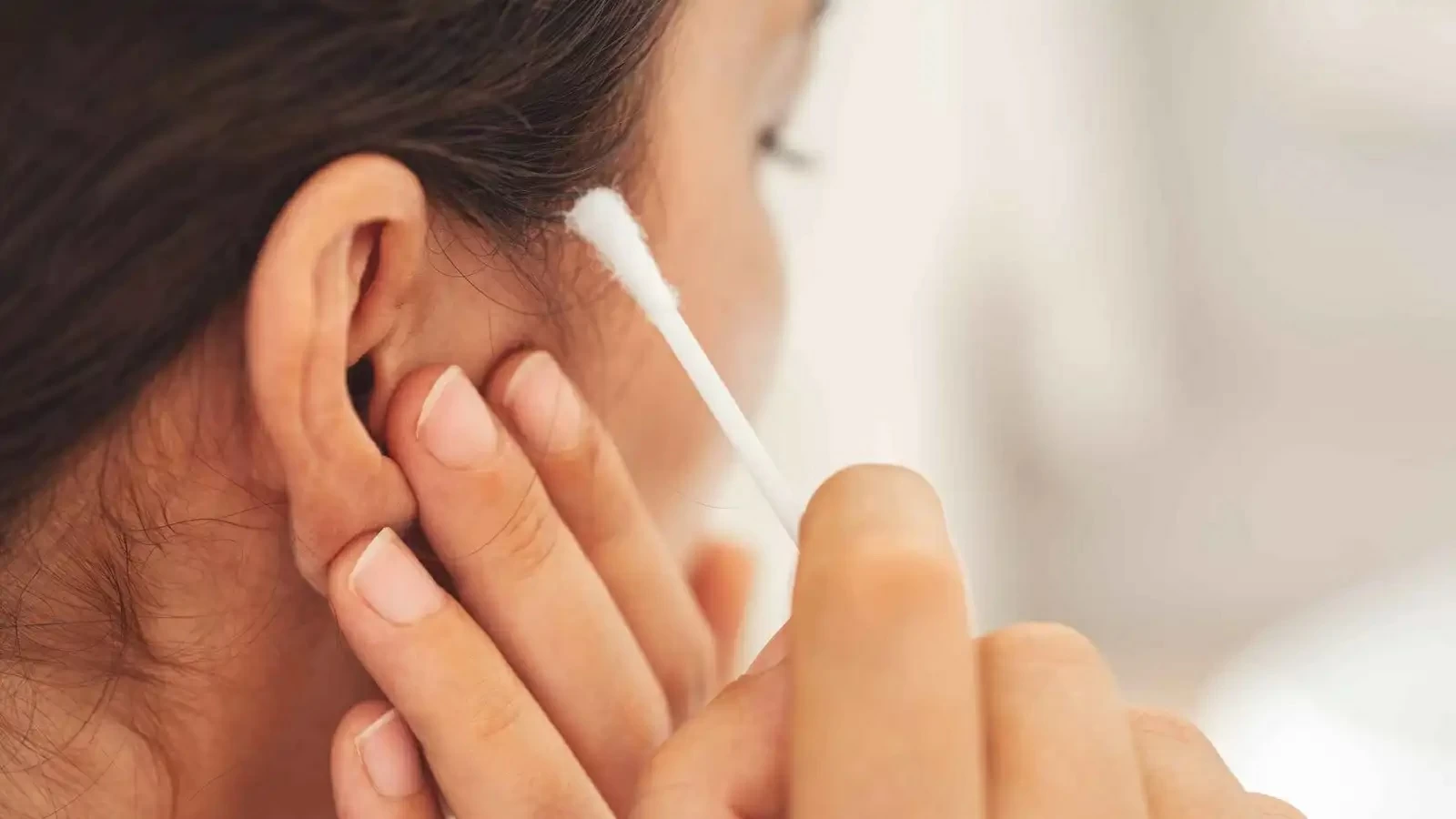
حذر خبراء في صحة الأنف والأذن والحنجرة من استخدام أعواد القطن لتنظيف الأذن، مؤكدين أن هذه العادة الشائعة قد تؤدي إلى مضاعفات صحية بدلاً من تعزيز النظافة، إذ تسهم في دفع شمع الأذن إلى عمق القناة السمعية بدلاً من إزالته.
وأوضح اختصاصيون في الأنف والأذن والحنجرة، أن شمع الأذن، المعروف طبياً بـ«الصملاخ»، يعد جزءاً أساسياً من نظام الحماية الطبيعي للأذن، وليست مادة يجب التخلص منها. وأضافت أنه يعمل كحاجز يمنع وصول الأتربة والبكتيريا والأوساخ إلى طبلة الأذن، كما يحافظ على ترطيب القناة السمعية ويحميها من الجفاف والتهيج.
وبيّنت أن استخدام أعواد القطن قد يؤدي إلى تراكم الشمع وانسداد القناة السمعية، وهو ما قد يتسبب في أعراض ومضاعفات تشمل ألم الأذن، وضعف السمع، وطنين الأذن، والدوار، وقد يصل الأمر في بعض الحالات إلى إصابة طبلة الأذن أو حدوث جروح داخل القناة السمعية نتيجة إدخال أجسام حادة.
ودعا الأطباء إلى ترك الأذن تنظف نفسها بشكل طبيعي، مؤكدين أن إزالة الشمع لا ينبغي أن تتم إلا عند ظهور أعراض مثل الانسداد الكامل أو الألم أو تراجع السمع، مع ضرورة مراجعة الطبيب المختص لإجراء التنظيف بطريقة آمنة تحافظ على سلامة الأذن وحاسة السمع.
Experts in ear, nose, and throat health have warned against using cotton swabs to clean the ears, emphasizing that this common habit may lead to health complications instead of enhancing cleanliness, as it contributes to pushing earwax deeper into the auditory canal instead of removing it.
Specialists in ear, nose, and throat explained that earwax, medically known as "cerumen," is an essential part of the ear's natural protection system and is not a substance that should be removed. They added that it acts as a barrier to prevent dust, bacteria, and dirt from reaching the eardrum, while also keeping the auditory canal moist and protecting it from dryness and irritation.
They indicated that using cotton swabs may lead to wax buildup and blockage of the auditory canal, which can cause symptoms and complications including ear pain, hearing loss, tinnitus, and dizziness. In some cases, it may even result in damage to the eardrum or injuries inside the auditory canal due to the insertion of sharp objects.
Doctors have called for allowing the ear to clean itself naturally, emphasizing that wax removal should only occur when symptoms such as complete blockage, pain, or hearing loss appear, and it is essential to consult a specialist to perform the cleaning safely to maintain the ear's health and hearing ability.