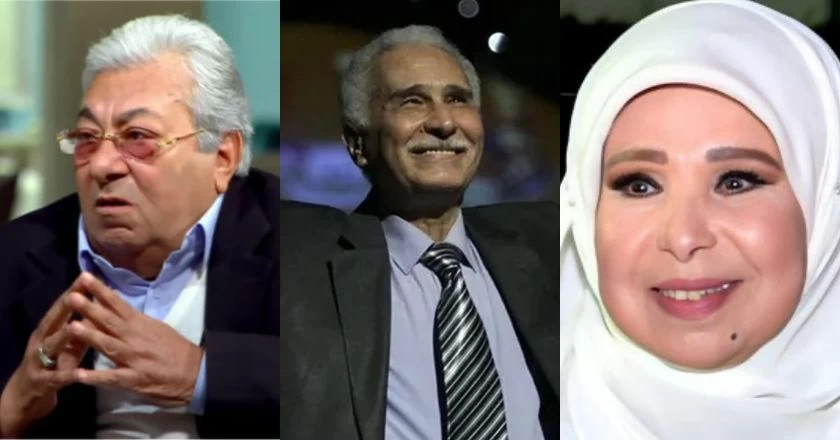
وداعاً «المعلم سردينة».. برحيل الفنان المصري الكبير عبدالرحمن أبو زهرة، فقدت الدراما المصرية أحد أبرز نجومها الذين تركوا بصمة خالدة بأعمال حملت القيم والرسائل الإنسانية، خصوصاً دوره الشهير في مسلسل «لن أعيش في جلباب أبي»، الذي ظل علامة مميزة في تاريخ الدراما المصرية.
ورحل عبدالرحمن أبو زهرة عن عمر ناهز 92 عاماً بعد صراع مع المرض، تاركاً مسيرة فنية حافلة في المسرح والتلفزيون والإذاعة، نجح خلالها في تقديم شخصيات خالدة رسخت اسمه في ذاكرة الجمهور، بفضل صوته المميز وأدائه الاستثنائي الذي جعله واحداً من أهم أعمدة الفن المصري عبر عقود طويلة.
ذكريات المسرح القومي
كما ارتبط اسم الراحل بالمسرح القومي، إذ قدم مجموعة من أبرز الأعمال المسرحية التي رسخت مكانته في ذاكرة محبيه. وروى المخرج المصري خالد جلال، لـ«عكاظ»، ذكرياته مع الراحل في المسرح.
وأكد جلال أن أبو زهرة عرف بانضباطه الشديد والتزامه الكبير داخل المسرح، إذ كان أول من يحضر إلى المسرح قبل الجميع، وكان يتعامل مع فن المسرح باعتباره مسؤولية حقيقية، ويحرص على الوصول لأعلى درجات الإتقان خلال البروفات، ورغم صرامته في العمل، إلا أنه كان يتمتع بمحبة كبيرة من زملائه الذين اعتبروه أباً وداعماً للجميع.
صلح بعد سنوات
بينما تحدث الفنان المصري فاروق فلوكس، أحد أصدقاء الراحل ومن جيله في المسرح، لـ«عكاظ»، عن الخلاف الذي وقع بينهما في وقت سابق، موضحاً أن سببه كان حب أبو زهرة الكبير للفن وحرصه الشديد على المسرح والعمل بإتقان.
وأشار فلوكس إلى أن هذا الخلاف انتهى منذ سنوات، مؤكداً أنه كان يحمل للراحل كل التقدير والمحبة باعتباره أحد كبار الفنانين أصحاب المكانة والقيمة الفنية، معرباً عن حزنه الشديد لوفاته، موضحاً أنه سامحه وحرص على قراءة الفاتحة والدعاء له تقديراً لمسيرته الفنية الطويلة.
دراسة تكريمه
وبسؤال الفنان المصري محمد رياض، رئيس المهرجان القومي للمسرح المصري، عبر «عكاظ»، حول إمكانية تكريم الراحل أو تنظيم حفل تأبين أو ندوة خاصة تقديراً لأعماله، قال إنه تم تكريم أبو زهرة في دورات سابقة من المهرجان، وتجري حالياً دراسة وضع لافتة خاصة باسمه في الدورة القادمة، تقديراً لتفانيه في المسرح وإسهاماته الفنية الكبيرة.
مواقف إنسانية
وفي سياق آخر، استعادت الفنانة المصرية مديحة حمدي، لـ«عكاظ»، موقفاً إنسانياً للراحل، إذ ساندها مادياً ووقف إلى جانبها في وقت صعب، ورفض الحصول على مستحقاته المالية سريعاً مراعاةً لظروف العمل والإنتاج، مؤكدة أنه كان مثالاً للإنسانية والدعم لزملائه.
Farewell to "Teacher Sardina".. With the passing of the great Egyptian artist Abdel Rahman Abu Zahra, Egyptian drama has lost one of its most prominent stars who left an indelible mark with works that carried values and humanitarian messages, especially his famous role in the series "I Will Not Live in My Father's Cloak," which remains a distinctive landmark in the history of Egyptian drama.
Abdel Rahman Abu Zahra passed away at the age of 92 after a battle with illness, leaving behind a rich artistic career in theater, television, and radio, during which he succeeded in presenting timeless characters that cemented his name in the audience's memory, thanks to his distinctive voice and exceptional performance that made him one of the most important pillars of Egyptian art over many decades.
Memories of the National Theater
The late artist's name was also associated with the National Theater, where he presented a number of the most prominent theatrical works that solidified his position in the memory of his admirers. Egyptian director Khaled Galal recounted his memories with the late artist in the theater to "Okaz."
Galal confirmed that Abu Zahra was known for his strict discipline and great commitment within the theater, as he was the first to arrive at the theater before everyone else. He treated the art of theater as a real responsibility and was keen to achieve the highest levels of perfection during rehearsals. Despite his strictness at work, he was greatly loved by his colleagues, who considered him a father and a supporter to all.
Reconciliation After Years
Meanwhile, Egyptian artist Farouk Flowkes, one of the late artist's friends and contemporaries in the theater, spoke to "Okaz" about a disagreement that occurred between them earlier, explaining that it stemmed from Abu Zahra's great love for art and his strong commitment to the theater and working with precision.
Flowkes pointed out that this disagreement ended years ago, affirming that he held the late artist in high regard and love, considering him one of the great artists of significant status and artistic value. He expressed his deep sorrow over his passing, stating that he forgave him and made sure to read Al-Fatiha and pray for him in appreciation of his long artistic career.
Study of His Honor
When asked by "Okaz," Egyptian artist Mohamed Riyad, head of the Egyptian National Theater Festival, about the possibility of honoring the late artist or organizing a memorial ceremony or a special seminar in recognition of his works, he said that Abu Zahra had been honored in previous editions of the festival, and a study is currently underway to place a special plaque bearing his name in the upcoming edition, in appreciation of his dedication to the theater and his significant artistic contributions.
Humanitarian Moments
In another context, Egyptian artist Madihah Hamdi recalled to "Okaz" a humanitarian moment of the late artist, as he supported her financially and stood by her during a difficult time, refusing to receive his financial dues quickly in consideration of the work and production circumstances, affirming that he was an example of humanity and support for his colleagues.