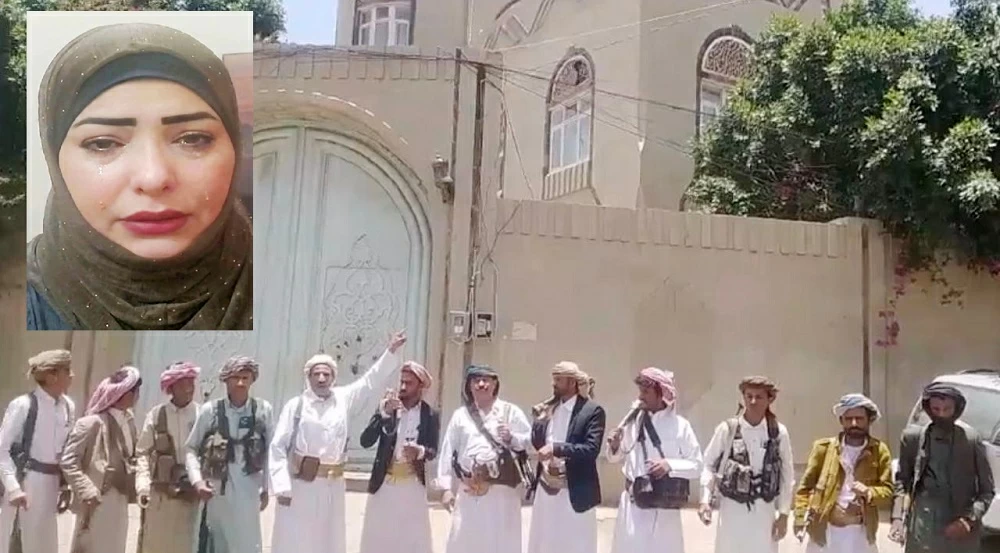
تحولت قضية الفتاة التي تُعرف نفسها باسم «ميرا صدام حسين» إلى واحدة من أكثر القضايا إثارة للجدل في اليمن، وسط انقسام واسع بين من يصدق روايتها ومن يعتبرها مجرد ادعاءات تفتقر إلى الأدلة الحاسمة، فيما لعبت ملامحها المتشابهة بصورة لافتة مع أبناء الرئيس العراقي الراحل صدام حسين، خصوصاً عدي وقصي، دوراً بارزاً في صناعة تعاطف شعبي واسع معها داخل الشارع اليمني.
وعلى مواقع التواصل الاجتماعي، تداول يمنيون صوراً ومقاطع لميرا، معتبرين أن الشبه الكبير بينها وبين عدي وقصي يتجاوز المصادفة، وهو ما عزز قناعة كثيرين بأنها بالفعل ابنة الرئيس العراقي الراحل، رغم غياب أدلة قانونية قاطعة تثبت ذلك.
ميرا لـ«عكاظ»: صادروا جواز سفري ووثائقي
وخلال حديثها لـ«عكاظ»، تمسكت ميرا بروايتها كاملة، مؤكدة أنها كانت تمتلك وثائق تثبت هويتها الحقيقية، بينها جواز سفر عراقي وشهادة ميلاد ووثائق جنسية باسم «ميرا صدام حسين»، قبل أن تتم مصادرتها عقب اعتقالها في صنعاء.
وقالت إن رحلتها مع السجون بدأت عندما ذهبت للإبلاغ عن شخص استولى على بطاقة عسكرية تخصها في منطقة الحتارش، لتجد نفسها معتقلة ومخفية داخل أحد السجون، قبل نقلها بين عدة جهات أمنية وصولاً إلى السجن المركزي بتهمة «التزوير وادعاء أنها ابنة صدام حسين».
وأكدت لـ«عكاظ» أنها تعرضت لضغوط وتهديدات متواصلة لإجبارها على الاعتراف بأنها «سمية أحمد الزبيري» وليست ابنة الرئيس العراقي الراحل، مشيرة إلى أن محققين قالوا لها داخل السجن: «إذا كنتِ فعلاً ابنة صدام حسين فأحضري أسلحة الدمار الشامل التي كان يمتلكها والدك».
محاميها معتقل وشقيقه ملاحق
وكشفت ميرا أن محاميها منصور الزريقي اعتُقل أثناء مرافعته عنها، ولا يزال محتجزاً حتى اللحظة، مؤكدة أن أسرته ممنوعة من زيارته، فيما يتعرض شقيقه التوأم للملاحقة، في قضية أثارت تساؤلات واسعة داخل الأوساط الحقوقية والإعلامية.
رواية الوصول إلى اليمن
ووفقاً لرواية ميرا لـ«عكاظ»، فإنها وصلت إلى اليمن عقب سقوط بغداد عام 2003، وكان عمرها آنذاك 13 عاماً، برفقة ضباط عراقيين فروا من الملاحقات والاغتيالات، مؤكدة أنها حملت رسالة من والدها صدام حسين إلى الرئيس اليمني الراحل علي عبدالله صالح.
وتقول إن صالح تكفل بحمايتها وأمر بإخفاء هويتها الحقيقية لأسباب أمنية، لتعيش باسم «سمية الزبيري»، وهو الاسم الذي ظل يرافقها لاحقاً في وثائقها اليمنية.
إعلامي مقرب من صالح يروي التفاصيل
وفي تطور لافت، أعادت «عكاظ» التحقق من شهادة الإعلامي اليمني صادق أمين العواضي، المقرب من الرئيس الراحل علي عبدالله صالح، والذي سبق أن نشر رواية مطولة على صفحته في «فيسبوك» أكد فيها أن ميرا دخلت اليمن برفقة ضباط عراقيين، وأن صدام حسين أوصى الرئيس صالح بابنته في رسالة خاصة.
وقال العواضي إن صالح وفر لها سكناً خاصاً وحراسة وهوية يمنية لحمايتها، وعاشت حينها باسم «سمية الزبيري»، مضيفاً أن رجلاً سبعينياً يدعى أحمد الزبيري أوكلت إليه مهمة رعايتها وتمثيل دور والدها.
ورغم أن هذه الرواية لم تُقدم رسمياً داخل المحكمة، فإنها أعادت إشعال النقاش مجدداً، خصوصاً بعد ظهور العواضي في تسجيل مصور أكد فيه تمسكه بشهادته السابقة.
تناقضات قضائية
القضية شهدت سلسلة من التناقضات المثيرة، إذ أصدرت المحكمة حكماً بتثبيت اسم «سمية الزبيري»، رغم أن ميرا قالت إنها سافرت إلى القاهرة بجواز رسمي لاستخراج فحص DNA قالت إنه يثبت انتسابها لصدام حسين.
وبحسب روايتها، رفضت المحكمة التقرير بحجة عدم اعتماده من الخارجية المصرية والسفارة اليمنية، قبل أن تعود مجدداً لتصديق التقرير وفق الشروط المطلوبة، لكن المحكمة استمرت في رفضه.
وأثارت هذه الوقائع تساؤلات قانونية حول أسباب تجاهل المحكمة لشهادات وشخصيات قالت ميرا إنها كانت قادرة على حسم الجدل، وفي مقدمتهم أحمد الزبيري نفسه، الذي ظهر في إحدى المراحل مؤكداً أنها «سمية»، قبل أن يتراجع لاحقاً أمام محكمة الاستئناف، قائلاً إن شهادته الأولى انتُزعت منه تحت التهديد.
صورة من شهادة أحمد الزبيري بخصوص قضية ميرا.
«اعترفت خوفاً عليها»
ووفق وثائق وشهادات حصلت عليها «عكاظ»، فإن أحمد الزبيري أكد أمام المحكمة لاحقاً أن ميرا هي بالفعل ابنة صدام حسين، وأن ابنته الحقيقية «سمية» توفيت قبل سنوات، مضيفاً أنه اضطر سابقاً للإدلاء بشهادة مغايرة بعد تهديده بقتل ميرا إذا لم ينفِ علاقتها بصدام حسين.
الفيلا التي فجّرت الأسئلة
ومن أكثر التفاصيل التي أثارت الجدل في القضية، الفيلا التي كانت تقيم فيها ميرا بصنعاء، إذ أكد سكان في الحي لـ«عكاظ» أن المنزل كان معروفاً بين الأهالي باسم «منزل عائلة صدام».
وقالت ميرا إن الرئيس علي عبدالله صالح طلب منها مغادرة الفيلا قبل أحداث ديسمبر 2017 لأسباب أمنية، مؤكدة أنها عادت لاحقاً لتجد القيادي الحوثي فارس مناع داخل المنزل، فيما نفى الأخير معرفته بقصتها.
كما كشفت شهادات، حصلت عليها «عكاظ»، أن سكان الحي لم يكونوا يعرفون أحمد الزبيري أو يشاهدونه داخل الفيلا، وهو ما علقت عليه ميرا بالقول إنه لم يكن يقيم معها، بل كان يعيش في منزله بمنطقة شعوب، بينما كانت تزوره باستمرار.
أسئلة بلا إجابات
ورغم الأحكام القضائية التي صدرت ضدها، لا تزال ميرا متمسكة باسمها وروايتها، فيما تتواصل حالة الجدل الشعبي حول القضية، خصوصاً مع استمرار اعتقال محاميها، وغياب شهادات شخصيات قالت مصادر مطلعة إنها كانت قادرة على كشف تفاصيل مهمة.
ويبقى السؤال الأبرز الذي يلاحق القضية حتى الآن: هل كانت «سمية الزبيري» مجرد هوية حماية لابنة الرئيس العراقي الراحل، أم أن كل ما يجري لا يتجاوز رواية صنعتها سنوات الفوضى والحروب في اليمن؟
The case of the girl who identifies herself as "Mira Saddam Hussein" has turned into one of the most controversial cases in Yemen, amidst a wide division between those who believe her story and those who consider it mere claims lacking decisive evidence. Her striking resemblance to the late Iraqi President Saddam Hussein's sons, particularly Uday and Qusay, has played a prominent role in generating widespread public sympathy for her within the Yemeni street.
On social media, Yemenis have circulated photos and videos of Mira, considering that the significant resemblance between her and Uday and Qusay goes beyond coincidence, which has reinforced the conviction of many that she is indeed the daughter of the late Iraqi president, despite the absence of conclusive legal evidence to prove it.
Mira to "Okaz": They confiscated my passport and documents
During her conversation with "Okaz," Mira insisted on her complete narrative, confirming that she possessed documents proving her true identity, including an Iraqi passport, a birth certificate, and nationality documents in the name of "Mira Saddam Hussein," before they were confiscated following her arrest in Sana'a.
She stated that her journey with prisons began when she went to report a person who had seized a military card belonging to her in the Al-Hatarash area, only to find herself detained and hidden inside one of the prisons, before being transferred between several security agencies until reaching the central prison on charges of "forgery and claiming to be the daughter of Saddam Hussein."
Mira confirmed to "Okaz" that she faced continuous pressure and threats to force her to admit that she was "Sumaya Ahmed Al-Zubairi" and not the daughter of the late Iraqi president, pointing out that investigators told her inside the prison: "If you are indeed the daughter of Saddam Hussein, bring us the weapons of mass destruction that your father possessed."
Her lawyer is detained and his brother is pursued
Mira revealed that her lawyer, Mansour Al-Zurayqi, was arrested while defending her, and he remains detained to this moment, confirming that his family is prohibited from visiting him, while her twin brother is being pursued, in a case that has raised widespread questions within human rights and media circles.
The narrative of arriving in Yemen
According to Mira's account to "Okaz," she arrived in Yemen after the fall of Baghdad in 2003, when she was 13 years old, accompanied by Iraqi officers fleeing from persecution and assassinations, confirming that she carried a message from her father, Saddam Hussein, to the late Yemeni President Ali Abdullah Saleh.
She says that Saleh took it upon himself to protect her and ordered that her true identity be concealed for security reasons, allowing her to live under the name "Sumaya Al-Zubairi," which later accompanied her in her Yemeni documents.
A media figure close to Saleh recounts the details
In a notable development, "Okaz" re-verified the testimony of Yemeni journalist Sadiq Amin Al-Awadi, who is close to the late President Ali Abdullah Saleh, and who had previously published an extensive account on his Facebook page confirming that Mira entered Yemen accompanied by Iraqi officers, and that Saddam Hussein entrusted President Saleh with his daughter in a private message.
Al-Awadi stated that Saleh provided her with private housing, protection, and a Yemeni identity to ensure her safety, and she lived at that time under the name "Sumaya Al-Zubairi," adding that a seventy-year-old man named Ahmed Al-Zubairi was entrusted with the task of caring for her and representing her father.
Although this narrative was not officially presented in court, it reignited the discussion, especially after Al-Awadi appeared in a video recording reaffirming his previous testimony.
Judicial contradictions
The case has witnessed a series of intriguing contradictions, as the court issued a ruling to affirm the name "Sumaya Al-Zubairi," despite Mira stating that she traveled to Cairo with an official passport to obtain a DNA test that she claimed would prove her affiliation to Saddam Hussein.
According to her account, the court rejected the report on the grounds that it was not endorsed by the Egyptian Foreign Ministry and the Yemeni embassy, before later returning to validate the report under the required conditions, but the court continued to reject it.
These events raised legal questions about the reasons for the court's disregard of testimonies and figures that Mira claimed could have resolved the controversy, foremost among them Ahmed Al-Zubairi himself, who appeared at one point confirming that she was "Sumaya," before later retracting in front of the appeals court, stating that his initial testimony was extracted from him under threat.
صورة من شهادة أحمد الزبيري بخصوص قضية ميرا.
"I confessed out of fear for her"
According to documents and testimonies obtained by "Okaz," Ahmed Al-Zubairi later confirmed before the court that Mira is indeed the daughter of Saddam Hussein, and that his real daughter "Sumaya" passed away years ago, adding that he was previously forced to give a different testimony after being threatened with killing Mira if he did not deny her relationship with Saddam Hussein.
The villa that sparked questions
Among the most controversial details of the case is the villa where Mira resided in Sana'a, as residents in the neighborhood confirmed to "Okaz" that the house was known among locals as "Saddam's Family House."
Mira stated that President Ali Abdullah Saleh asked her to leave the villa before the events of December 2017 for security reasons, confirming that she later returned to find Houthi leader Faris Mana'a inside the house, while the latter denied knowing her story.
Testimonies obtained by "Okaz" also revealed that the neighborhood residents did not know Ahmed Al-Zubairi or see him inside the villa, to which Mira commented that he did not live with her, but rather resided in his home in the Shu'ub area, while she visited him regularly.
Questions without answers
Despite the judicial rulings issued against her, Mira remains steadfast in her name and narrative, while the public debate surrounding the case continues, especially with the ongoing detention of her lawyer and the absence of testimonies from figures that informed sources say could have revealed important details.
The most prominent question that continues to haunt the case remains: Was "Sumaya Al-Zubairi" merely a protective identity for the daughter of the late Iraqi president, or is everything happening just a narrative crafted by years of chaos and wars in Yemen?