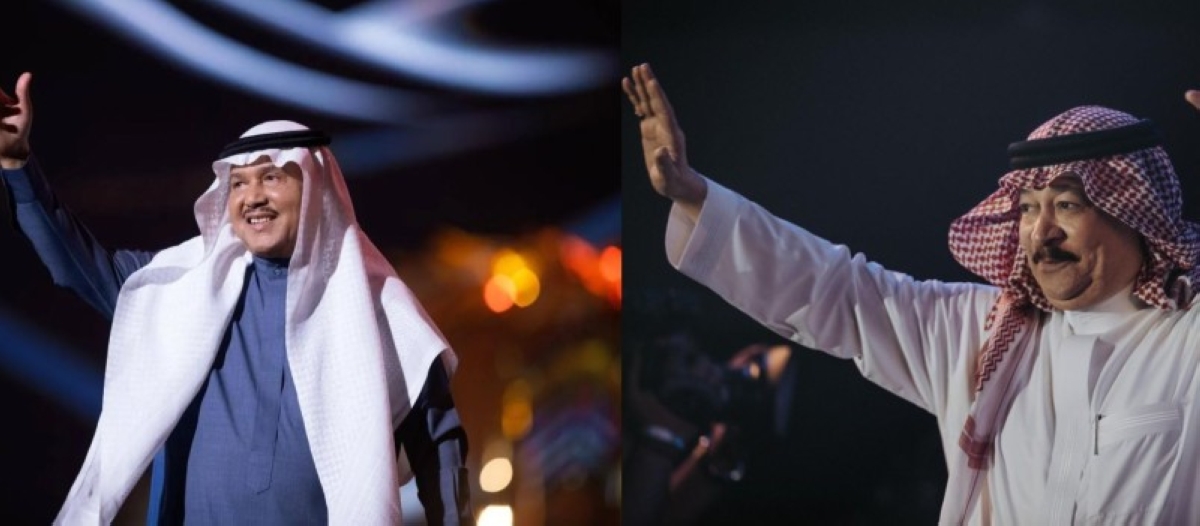
في حديثٍ مرئي صريح حمل بين سطوره عتباً رقيقاً ووجعاً فنياً دفيناً، كشف الفنان علي عبدالكريم عن هاجسٍ يرافقه في كل تعاوناته مع الفنان محمد عبده، مفاده أن كل عملٍ يُمنح له من ألحانه لا يلبث طويلاً حتى يسمعه مجدداً وسريعاً بصوت فنان العرب نفسه.
علي عبدالكريم أو «مطرب الشباب» كما كان يُسمى في زمنه، لم يُصرّح بذلك اتهاماً، لكنه لم يُخْفِ خيبته وخوفه من تكرار المشهد، حين قال - بإشارةٍ مبطّنة - إن لديه أغنية مع محمد عبده لكن الخوف بات يسبقه إلى كل عمل يجمعه بمحمد عبده، لأن التجربة كثيراً ما تنتهي بأن يغنّي الأخير اللحن ذاته فيخطف وهج الفكرة وبريقها.
«أسابق الساعة» و«عاشق خزامى» جمعتهما معاً
وأشار إلى أن ذلك تكرّر في أكثر من مناسبة، كان أبرزها مطلع الألفية مع أغنية «أسابق الساعة» التي غناها النجمان، إذ طرح عبدالكريم ألبوماً يحمل الاسم نفسه وبعدها وجدها بصوت الفنان محمد عبده، وكذلك «عاشق خزامى».
ذلك الخوف الذي تحدّث عنه لا يبدو فنياً فحسب، بل هو خوف من أن يُبتلع نجاح العمل لصالح فنان العرب في ظلّ قامةٍ فنيةٍ بحجمه، كفيلة بكل ما يمثله من تاريخٍ جماهيري وجاذبيةٍ لأن تجب الأعمال بصوت آخرين.
التساؤلات هنا تتجاوز حدود العتب، لتلامس جوهر العلاقة بينهما؛
هل كان اللحن يُغري محمد عبده إلى حدٍّ لا يستطيع مقاومته؟ أم أن حبّه لتجديد ذاته يدفعه لغناء ما يُعجبه حتى لو كان مُعدّاً لغيره؟ أم أن علي عبدالكريم يعيش تحت ضغط المقارنة الثقيلة مع فنان العرب فيخشى أن يُظلم صوته قبل أن يُسمع؟
ما بين الخوف والعتب، يبقى تصريح علي عبدالكريم رسالة عتاب في سجل العلاقة بين رمزين كبيرين.
In a candid visual talk that carried between its lines a delicate reproach and a deep artistic pain, artist Ali Abdulkarim revealed a haunting concern that accompanies him in all his collaborations with artist Mohammed Abdu. This concern is that every piece granted to him from his melodies does not take long before he hears it again, quickly, in the voice of the Arab artist himself.
Ali Abdulkarim, or "the youth singer" as he was called in his time, did not state this as an accusation, but he did not hide his disappointment and fear of repeating the scene when he said - with a veiled hint - that he has a song with Mohammed Abdu, but fear now precedes him in every work that brings him together with Mohammed Abdu, as the experience often ends with the latter singing the same melody, stealing the glow and brilliance of the idea.
“I Race the Clock” and “Lover of Ghazala” Brought Together
He pointed out that this has happened on more than one occasion, the most notable being at the beginning of the millennium with the song “I Race the Clock,” which both stars sang. Abdulkarim released an album bearing the same name, and afterward, he found it in the voice of artist Mohammed Abdu, as well as “Lover of Ghazala.”
The fear he spoke of does not seem to be purely artistic; rather, it is a fear that the success of the work will be overshadowed by the Arab artist, given the artistic stature he holds, which is sufficient for all that he represents in terms of public history and appeal, allowing works to be overshadowed by the voices of others.
The questions here go beyond mere reproach to touch the essence of their relationship;
Was the melody so enticing to Mohammed Abdu that he could not resist it? Or is his love for renewing himself driving him to sing what he likes, even if it was prepared for someone else? Or is Ali Abdulkarim living under the heavy pressure of comparison with the Arab artist, fearing that his voice will be overlooked before it is heard?
Between fear and reproach, Ali Abdulkarim's statement remains a message of reproach in the record of the relationship between two great icons.